
Lawn
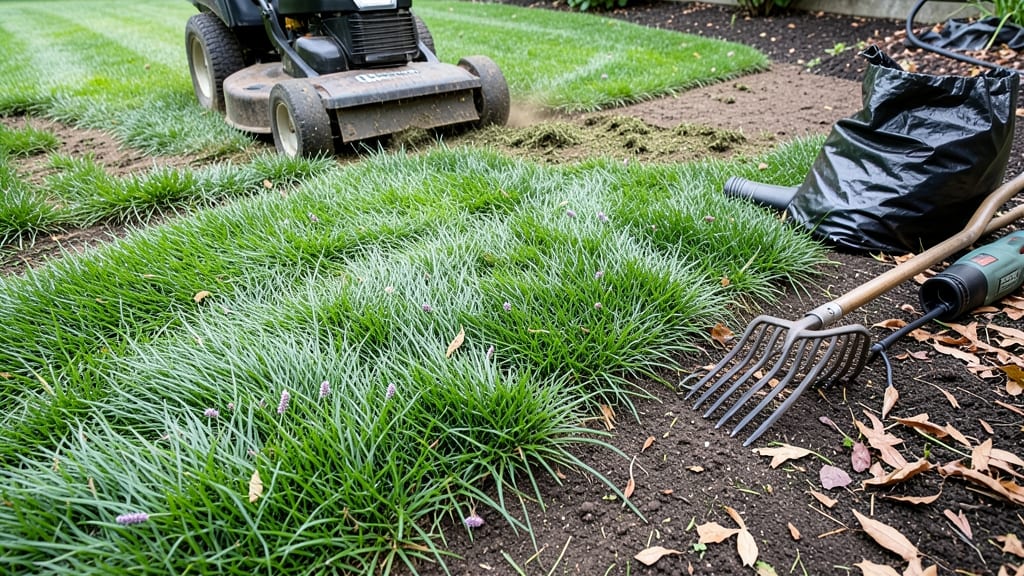
Lawn mowing leaf clean-up saves hours of raking and feeds your grass for free. ✂️ I used to dread fall cleanup until I discovered how mulching leaves transforms my yard into a lush spring starter—no extra work, just smarter timing and technique.
The secret lies in shredding leaves before they smother grass and adjusting your mower blade to 3 inches high—never lower—to protect roots. A bagger attachment handles thick piles, while mulching works best with light layers. Safety first: clear debris from walkways and wear gloves to avoid thistle patches.
By spring, you’ll see vibrant green from natural nitrogen, fewer weeds, and a lawn that recovers faster from winter. The key is consistency: tackle leaves weekly in fall, monthly in spring, and always mow when soil is dry to avoid clumping.
Works for any yard size, from suburban lawns to small urban patches. Here’s how to do it right without the usual mess or backache—your grass (and back) will thank you.
📚 In This Guide
- What you need
- Instructions
- Tips and common mistakes
- Wrapping up and next steps
What you need
- ● Lawn Mower: Self-propelled or push mower (adjustable height: 2–4 inches for most lawns)
- ○ Optional: Mulching kit (if you prefer mulching leaves instead of bagging)
- ● Leaf Collection Tools: Rake (bendable tines for easy pickup, 24–36 inches long)
- ● Leaf blower (gas or electric, 100–150 CFM for medium-sized yards)
- ○ Leaf vacuum (optional, for small yards or debris-heavy areas)
- ● Bags & Containers: Heavy-duty lawn bags (30–50 gallon capacity, 3–5 bags for average yards)
- ○ Optional: Compost bin or mulch bags (if repurposing leaves)
- ● Safety Gear: Closed-toe shoes or work boots
- ● Gloves (gardening or work gloves for grip)
- ● Safety glasses (if using a leaf blower)
- ○ Optional: Ear protection (for loud equipment)
- ● Miscellaneous: Garden hose (for rinsing mower deck if needed)
- ● Trash bags (for non-leaf debris like twigs or rocks)
- ● Work vest or belt pouch (to hold small tools)
- ● Check weather forecast—aim for a dry, calm day (🌤️ no rain for 24+ hours).
- ● Clear large debris (branches, rocks) from the lawn first.
- ● Adjust mower height based on grass type and season (shorter in summer, taller in cooler months).
- ○ Optional: Mark utility lines or sprinkler heads with flags for safety.
Step-by-step instructions for lawn mowing and leaf cleanup
Here's how to tackle both mowing and leaf cleanup in one efficient session—saving time and keeping your lawn healthy year-round.
🪴 Step 1: Gather the Right Tools for the Job
Start with a sharp mower blade—dull blades tear grass instead of cutting cleanly, leaving brown tips and inviting disease. I always check blade sharpness before the first mow of the season or after every 25 hours of use. Pair it with a leaf vacuum or bagger attachment if your mower has one, or grab a sturdy rake and leaf blower for manual cleanup.
For larger yards, a wheelbarrow or tarp makes hauling leaves to compost piles or curb bins much easier. I keep mine nearby so I don’t have to make multiple trips. Wear sturdy gloves and closed-toe shoes—sharp grass clippings and twigs don’t mix with bare feet or thin fabric.
✂️ Step 2: Mow Strategically to Reduce Leaf Work Later
Mow when leaves are dry to avoid clumping, which smothers grass and creates thatch. I aim for early morning or late afternoon to avoid the heat of the day. Set the mower height to 3-4 inches—taller grass shades out weeds and holds moisture better, reducing the need for frequent mowing later. Never remove more than one-third of the grass blade at once; this prevents stress and brown patches.
If leaves are already thick, mow first to clear a path, then tackle the leaves. For heavy leaf fall, I do a light mow first, then a second pass with the bagger attachment to collect clippings and leaves together. This two-step method cuts cleanup time in half.
🌿 Step 3: Clear Leaves Efficiently Without Damaging Grass
Rake leaves into piles and alternate rows—this prevents smothering grass and makes it easier to spot hidden debris. For small yards, a leaf blower speeds up the process, but be careful not to blow leaves onto sidewalks or driveways where they can clog gutters. I always work in sections, moving piles to the edge of the lawn or into the wheelbarrow as I go.
If leaves are still on the lawn, use the mower’s bagger attachment to vacuum them up while mowing. For thick layers, I make multiple passes, adjusting the bagger to catch as much as possible. Leaving a thin layer of leaves (under ½ inch) is fine—it acts as natural mulch and protects grass from frost.
💧 Step 4: Finish with a Quick Grass Check and Adjustments
After cleanup, inspect the lawn for patches of brown or thin grass—these might need overseeding or fertilizer. I give the area a light watering if the soil feels dry to the touch, focusing on the roots rather than the surface. This encourages deep growth and helps recover from any stress caused by leaf buildup.
For fall cleanup, leave grass clippings on the lawn—they break down quickly and return nutrients to the soil. In spring, I do a final mow before the growing season to tidy up any remaining debris. This one-step process keeps the lawn looking sharp and sets it up for healthy growth all season long.
Tips & tricks for perfect lawn maintenance
Took me years to figure out these little tricks that turn a chore into a breeze—your lawn will thank you.
Tool Prep: Before you start, give your mower blade a quick once-over with a file or take it to a hardware store for sharpening. That 25-hour rule isn't just a suggestion—dull blades waste gas, create uneven cuts, and stress your grass. I keep a small file in my garage toolbox specifically for this quick check. Also, if you're using a bagger attachment, clear any clippings from the bag after each pass to avoid clogging during your leaf collection.
Seasonal Timing: Early morning or late afternoon mowing isn't just about avoiding heat—it's about letting dew dry naturally. Wet leaves clump together and smother grass, creating thatch buildup. I've learned the hard way that mowing after a light rain can leave your yard looking like a swamp. Wait until leaves are completely dry, even if that means pushing your mowing session to the next morning. The extra 30 minutes saves hours of cleanup later.
Leaf Layer Strategy: That ½-inch leaf layer isn't just random—it's the perfect balance between mulch benefits and grass protection. For fall cleanup, I use a simple trick: after my first mow, I make diagonal passes with the bagger attachment to collect leaves while leaving the thin layer. This creates natural pathways for air and water while still protecting grass from frost. In spring, I reverse this by doing a final mow to remove any remaining leaf debris before the growing season kicks in.
Grass Recovery: When you spot those brown patches after cleanup, don't panic—focus on the roots. A light watering isn't just about surface moisture; it's about encouraging deep root growth. I press my finger about an inch into the soil—if it feels dry, that's when I water. This simple check has saved me from both overwatering (which causes runoff) and underwatering (which stresses grass) during recovery periods.
Pro Tips for Lawn Mowing Leaf Clean Up
- Took me years to figure out these little tricks that turn a chore into a breeze—your lawn will thank you.
- Tool Prep: Before you start, give your mower blade a quick once-over with a file or take it to a hardware store for sharpening.
- Seasonal Timing: Early morning or late afternoon mowing isn't just about avoiding heat—it's about letting dew dry naturally.
Frequently asked questions
When is the best time to mow and clean up leaves?
The ideal time to tackle both lawn mowing and leaf cleanup is early fall—before leaves fully decompose or freeze. For cold climates, aim for late October to early November; in warmer areas, September to October works best. Mulching leaves as you mow (if they’re dry) can save time, but always clear thick piles to prevent smothering grass.
Can I mulch leaves instead of bagging them?
Mulching leaves with your mower is a time-saver and eco-friendly option. Use a sharp mower blade and mulch in small batches to shred leaves finely (like confetti). Avoid mulching wet or diseased leaves, and skip it if leaves are too thick—bagging may be better for heavy buildup. Pro tip: Mix in compost or grass clippings for extra nutrients!
What if my mower keeps clogging with leaves?
Clogging is common! To fix it, stop the mower immediately and clear debris from the deck and discharge chute. Use a leaf-catching bag or side-discharge setting for thick leaves. Sharpen your blade (dull blades tear leaves, worsening clogs) and avoid mowing wet leaves—they stick together. For stubborn jams, reverse the mower slightly to loosen debris.
Will removing leaves hurt my lawn?
Not if done right! A light layer of leaves (≤2 inches) can act as natural mulch, but thick piles block sunlight and air, suffocating grass. Rake or mow leaves promptly to prevent this. However, don’t remove ALL leaves—some provide winter insulation. Focus on high-traffic areas or dense piles first. Bonus: Leaves make great compost!
Is it cheaper to DIY or hire a service?
DIY saves money long-term! Renting a leaf blower or mulching mower (~$50–$80/day) is often cheaper than hiring (~$75–$150 per session). Factor in gas, bags, and time—if your yard is small (≤1 acre), DIY wins. For large properties or steep slopes, hiring may be worth the cost. Pro tip: Split costs with neighbors to share equipment!
What’s the deal with “leaf mowing” in freezing temps?
Mowing in light frost (32–40°F) is fine, but avoid hard frosts or ice—it damages blades and compact soil. If leaves are frozen, wait until they thaw (usually a few hours in sunlight). For snow-covered leaves, clear snow first with a shovel or rake. Never mow wet, icy leaves—they’ll clump and ruin your mower!
Wrapping up and next steps
Keeping your lawn in top shape year-round doesn’t have to be a chore—combining lawn mowing and leaf clean-up into one efficient session saves time and effort while keeping your yard healthy.
Whether you’re tackling overgrown grass in summer or fallen leaves in autumn, the right tools and techniques make the job manageable. With the right approach, you’ll enjoy a neat, vibrant lawn with minimal hassle!
Ready to take action? Grab your gear, follow the steps, and transform your outdoor space into a well-maintained haven. Start small—even just one section at a time—and watch your lawn thrive all season long! 🌿✨