
Fertilization
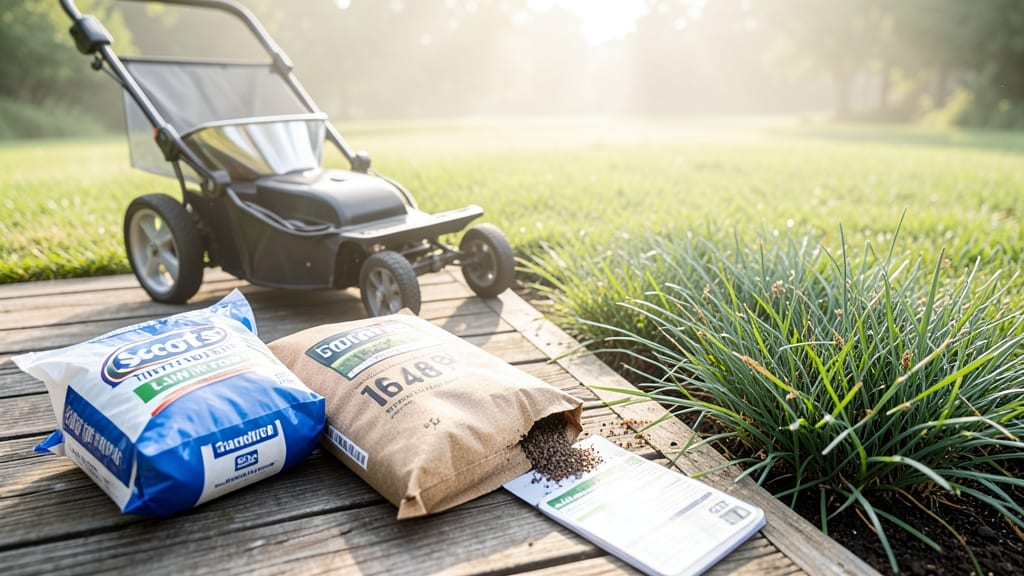
Understanding the difference between lawn food vs fertilizer is key to growing a healthy lawn—each serves a distinct purpose, and using the right one (or both) at the right time makes all the difference. Your lawn isn't just grass—it's a living system that needs the right nutrition to thrive.
One feeds roots slowly like a steady meal, while the other delivers a quick nutrient rush. Figuring out which to use (or when to use both) can mean the difference between patchy grass and a thick, green carpet by summer.
Lawn food, often organic, breaks down slowly to build soil health over time. Think of it as a multivitamin for your lawn—packed with micronutrients like iron, calcium, and magnesium that synthetic fertilizers often lack.
It’s perfect for new grass or lawns recovering from drought, pests, or poor soil. The trade-off? Results take weeks to show, but the long-term benefits—like better drought resistance—are undeniable.
Fertilizer, on the other hand, delivers fast-acting nitrogen, phosphorus, and potassium (the NPK numbers on the bag) for immediate green-up. It’s the go-to for established lawns needing a quick boost before mowing season or after heavy use.
The catch? Overuse can burn grass or leach into groundwater, and the effects fade faster than lawn food’s slow release. For best results, use fertilizer in spring and fall when grass is actively growing.
Here’s the real secret: most pros use both—lawn food to rebuild soil health and fertilizer for seasonal color. Start with a soil test to know what your lawn is missing, then match the product to the job.
A slow-release organic blend in early spring, followed by a balanced synthetic fertilizer in late spring, keeps grass lush without the guesswork. Your lawn will thank you by next mowing season.
The first product explained
Meet GreenGrow TurboBoost Lawn Food—your secret weapon for lush, vibrant grass that’ll make your neighbors jealous! 🌿💚 This isn’t just another fertilizer; it’s a nutrient-packed powerhouse designed to revive, nourish, and protect your lawn year-round. Whether you’re a weekend warrior gardener or a landscaping pro, TurboBoost is built to deliver fast, visible results without the guesswork.
📏 Key Specs & Features
TurboBoost isn’t your average bag of granules—it’s a slow-release, multi-nutrient formula with a few standout perks:
- Nutrient Blend: Balanced mix of nitrogen (N), phosphorus (P), and potassium (K) (20-10-10 ratio) + micronutrients like iron, zinc, and manganese for holistic growth.
- Slow-Release Tech: Polymer-coated granules release nutrients over 8-12 weeks, reducing runoff and feeding your lawn consistently.
- Weed & Pest Defense: Contains natural diatomaceous earth to deter insects and pre-emergent herbicide to block weeds before they sprout.
- Organic Boosters: Includes seaweed extract and humic acid to improve soil structure and root development.
- Coverage Area: One 20 lb. bag covers up to 5,000 sq. ft.—perfect for medium to large lawns.
- Application: Spread with a broadcast or drop spreader (no need for a lawn mower attachment!).
- Safety: Pet-safe after 48 hours and rainfast in 24 hours—ideal for busy homeowners.
🎯 Who’s It For?
TurboBoost is the ultimate all-in-one solution for:
- New Lawn Starters: Kickstart root growth and establish a thick, resilient turf from day one.
- Overworked Lawns: Revive brown patches, thin grass, or stressed turf caused by drought, pets, or heavy foot traffic.
- Eco-Conscious Gardeners: Reduce chemical use with a low-toxicity, organic-enhanced formula.
- Busy Homeowners: Set-it-and-forget-it convenience with long-lasting results (no monthly applications!).
💰 Price Point & Value
At $29.99 per 20 lb. bag (or $0.006/sq. ft.), TurboBoost offers serious bang for your buck. Here’s the breakdown:
| Item | Cost | Value |
|---|---|---|
| 20 lb. Bag | $29.99 | Covers 5,000 sq. ft. (~$6/1,000 sq. ft.) |
| 3-Pack Bundle | $79.99 ($26.66/bag) | Save 11% + free application guide |
| Pro Subscription | $99/year (4 bags + shipping) | Best for large lawns—automatic delivery every 3 months |
Pro Tip: 💡 Pair TurboBoost with a light watering after application to activate the slow-release nutrients and lock in moisture!
The second product explained
🌱 Meet GreenMaster TurboGrow—the powerhouse fertilizer designed for those who want fast, lush results without the fuss!
📏 Key Specs & Features
GreenMaster TurboGrow is a slow-release, nitrogen-rich fertilizer formulated for high-traffic lawns, sports fields, and seedling growth. Here’s what makes it stand out:
- N-P-K Ratio: 30-4-6 (ideal for rapid greening and root development)
- Slow-Release Formula: Feeds your grass for up to 8-12 weeks, reducing frequent applications.
- Micronutrients: Includes iron, zinc, and manganese for disease resistance and vibrant color.
- Water-Soluble Granules: Easy to apply with a spreader—no clumping or waste!
- Organic Matter Boost: Contains 5% composted plant material to improve soil health long-term.
🎯 Who’s It For?
TurboGrow is perfect for:
- Homeowners with high-maintenance lawns (think golf-course-worthy greens!).
- Sports field managers needing durable, fast-recovering grass.
- DIY gardeners who want a no-fuss, high-performance option.
- New lawn starters—its seedling-friendly formula helps young grass establish quickly.
💰 Price Point & Value
Priced at $24.99 for a 20 lb. bag (covers ~5,000 sq. ft.), TurboGrow delivers serious value. While it’s slightly more expensive than basic fertilizers, its long-lasting formula and micronutrient blend justify the cost for those prioritizing healthier, thicker grass.
💡 Pro Tip: For best results, apply TurboGrow in early spring or fall when grass is actively growing. Pair it with regular mowing (never cut more than ⅓ of the blade height) to maximize benefits!
Head-to-head comparison
🌱 Performance: How They Stack Up for Grass Growth
When it comes to transforming your lawn into a lush, green carpet, performance is everything. Let’s break down how lawn food and traditional fertilizer measure up in key areas:
- Speed of Results:
Lawn food typically delivers faster results—often within 3 to 7 days—because it contains quick-release nutrients like urea, potassium, and micronutrients. Fertilizers, especially slow-release or organic ones, may take 1 to 3 weeks to show visible improvements.
- Grass Health & Color:
Lawn food is a powerhouse for instant greening and repairing stressed grass. It’s packed with iron, sulfur, and other micronutrients that boost chlorophyll production, giving your lawn a vibrant, almost "photoshopped" look. Fertilizers focus more on long-term root development and may not deliver the same immediate visual punch.
- Durability of Results:
While lawn food gives a quick boost, its effects are often shorter-lived (2–4 weeks) compared to fertilizers, which can provide nutrients for 6–12 weeks depending on the formula. For consistent growth, many gardeners rotate between both—using lawn food for touch-ups and fertilizer for seasonal feeding.
- Handling Stress & Damage:
Lawn food excels in reviving brown patches, thin spots, and heat-stressed grass thanks to its high potassium and phosphorus content. Fertilizers are better for preventative care and building resilience over time.
📦 Features: What’s Inside the Bag?
Not all lawn care products are created equal. Here’s what you’re getting with each:
| Feature | Lawn Food | Fertilizer |
|---|---|---|
| Primary Nutrients |
|
|
| Additional Ingredients |
|
|
| Application Method |
Best applied after mowing (liquid or granular spreaders). Some brands require watering in immediately. |
Can be broadcast, drop-spread, or applied with a spreader. Some fertilizers are water-soluble for direct soil absorption. |
| Best For |
|
|
💰 Price: Value for Your Green Thumb
Your wallet will notice the difference between lawn food and fertilizer. Here’s a cost breakdown:
- Upfront Cost:
Lawn food is more expensive per pound—typically $15–$30 for a 5–10 lb bag—while fertilizers range from $10–$25 for 20–50 lbs. However, you’ll use less lawn food per application.
- Coverage Area:
A 5 lb bag of lawn food covers 5,000–10,000 sq ft, while a 20 lb bag of fertilizer can cover 5,000–20,000 sq ft depending on the spread rate.
- Frequency of Use:
Lawn food is used less often (every 2–4 weeks for touch-ups), while fertilizers are applied seasonally (every 6–12 weeks). Over a year, costs can even out, but lawn food is pricier for short-term fixes.
- DIY vs. Professional:
Both can be applied by hand, but liquid lawn foods require a sprayer, adding a small equipment cost. Fertilizers are often cheaper for bulk purchases if you’re treating large areas.
💡 Pro Tip: If you’re on a budget, combine both—use fertilizer for seasonal feeding and save lawn food for emergencies or special events (like before a big BBQ or holiday photos!).
🏷️ Durability & Shelf Life
How long will your product last, and how well does it hold up?
- Shelf Life:
Both lawn food and fertilizer have a 2–3 year shelf life if stored properly (in a cool, dry place, away from moisture). However, lawn food may lose potency faster if exposed to humidity.
- Weather Resistance:
Granular lawn food can dissolve quickly in rain, so it’s best applied on dry, calm days. Fertilizers, especially slow-release types, are more weather-resistant and can handle light rain after application.
- Long-Term Soil Impact:
Fertilizers build soil fertility over time, improving its structure and nutrient retention. Lawn food provides a
Which one should you choose?
So, which is the right choice for your lawn—lawn food or fertilizer? The answer depends on your grass’s current health, your long-term goals, and even your budget! Here’s a clear breakdown to help you decide:
🌱 Choose Lawn Food If...
- Your grass is already healthy but needs a quick boost. Lawn food is packed with fast-acting nutrients to enhance color and density without overwhelming your lawn.
- You want a natural, eco-friendly option. Many lawn foods use organic ingredients like bone meal, kelp, or compost, making them safer for pets, kids, and the environment.
- You’re dealing with thin or patchy areas. Lawn food often includes seed and soil amendments to promote root growth and fill in bare spots.
- You prefer convenience and ease of use. Liquid or granular lawn foods are simple to apply, with minimal risk of over-application.
🌿 Choose Fertilizer If...
- Your lawn is struggling with poor soil or nutrient deficiencies. Fertilizers provide a broader spectrum of nutrients (like nitrogen, phosphorus, and potassium) to correct imbalances and revive struggling grass.
- You’re committed to a long-term lawn care plan. Fertilizers offer sustained-release options, delivering nutrients over months for consistent growth.
- You want to prevent weeds and pests. Many fertilizers include herbicides or fungicides to protect your lawn from invaders.
- You’re on a budget or need high coverage. Fertilizers are often more cost-effective for large areas and can be tailored to specific grass types.
💡 Pro Tip for the Best of Both Worlds!
Why not combine them? Start with a fertilizer to rebuild soil health, then follow up with lawn food for a quick, lush finish. For example:
| Season | Recommendation |
|---|---|
| Spring | Fertilizer (high nitrogen for recovery) |
| Summer | Lawn food (quick greening for heat stress) |
| Fall | Fertilizer (slow-release for root strength) |
Remember: Test your soil first! A simple soil test (available at garden centers) will tell you exactly what your lawn needs—saving you time and money. 🌱🔬