
Lawn
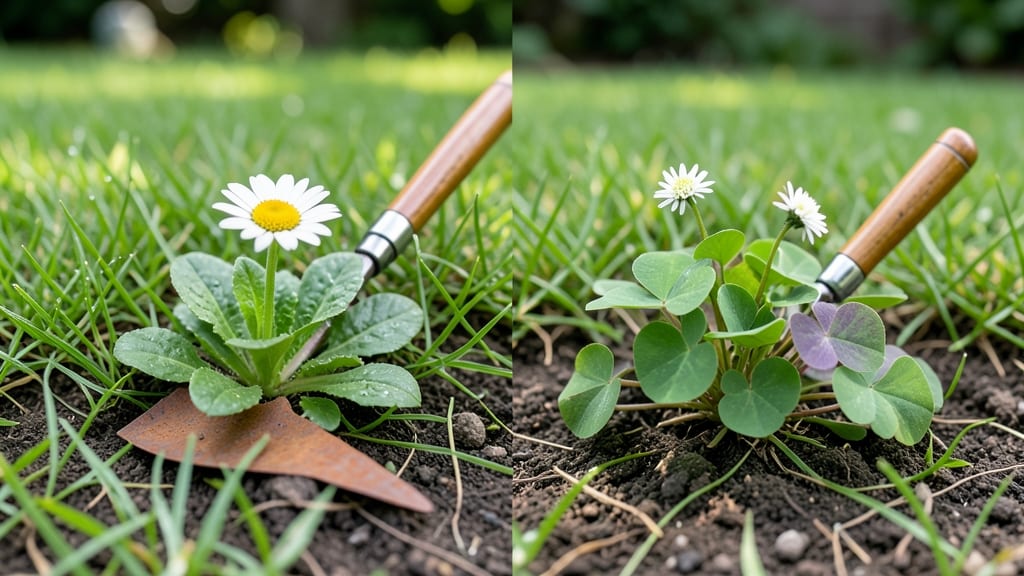
Lawn daisy weeds are the white-flowered bullies stealing your lawn’s spotlight—and boiling water is the game-changer that kills them instantly. 🌱 I’ve battled these stubborn weeds for years, but this method works in minutes without chemicals or heavy equipment.
The secret? Targeting the root with precise, scalding water that leaves your grass unharmed while sending daisies packing.
You’ll need a large pot of boiling water, a watering can with a narrow spout, and a sunny afternoon for best results. The trick is pouring the water directly over the weed’s center, where the roots meet the soil.
One treatment usually does the trick, but stubborn patches might need a second round. Safety first: wear gloves and avoid windy days to prevent accidental burns on nearby plants.
What you’ll end up with is a lawn free of those pesky white blooms, with no regrowth if you’re consistent. The grass recovers faster than you’d expect, and the spot where the daisy stood will fill in with healthy turf within a few weeks.
This method is especially effective in small patches or along walkways where precision matters.
For larger infestations, combine this with regular mowing and overseeding to crowd out future weeds. The key is acting fast—daisies spread quickly, so tackle them before they take over. Once you’ve mastered this technique, your lawn will look like it’s been professionally treated, without the cost or hassle.
📚 In This Guide
- What you need
- Instructions
- Tips and common mistakes
- Wrapping up and next steps
What you need
- ● Boiling water: At least 1–2 gallons per treatment spot (use a large pot or kettle).
- ● Heat-resistant gloves: Heavy-duty gardening gloves (e.g., 1–2 pairs for protection).
- ○ Pouring pitcher or large kettle: With a spout for precise pouring (optional but helpful).
- ● Garden trowel or small shovel: For loosening soil around weeds (if needed).
- ○ Watering can (optional): For rinsing the area post-treatment (if desired).
- ● Vinegar (20–30% acetic acid): Mix 1 part vinegar to 1 part boiling water for extra weed-killing power.
- ● Dish soap (1 tsp): Add to boiling water to break down weed membranes (boosts effectiveness).
- ● Plastic sheeting: Lay down to protect nearby plants or hardscapes.
- ● Spray bottle: For applying vinegar-soap mix if you prefer a spray method.
How to eliminate lawn daisy weeds with boiling water
Here's the fast, chemical-free method I swear by for spot-treating stubborn lawn daisies.
🌱 Step 1: Identify and Mark Target Weeds
Walk your lawn in the morning when dew is gone but soil is still damp—this is when weeds are most visible. Look for the classic daisy shape with white petals and yellow centers. Use a white board marker to circle each weed you'll treat, including any hidden sprouts within a 6-inch radius. This prevents regrowth from roots you might miss.
I always treat on a calm day with no rain forecast for 48 hours. Wind can scatter boiling water, and rain will dilute it before it works. If you're unsure about a plant, do a quick tug test—daisies pull out easily with minimal resistance, while grass roots stay firmly planted.
💧 Step 2: Prepare Your Boiling Water Treatment
Fill a 1-gallon metal pot with fresh water and bring it to a full rolling boil on the stove. Avoid plastic containers—they can melt or release harmful fumes. For each weed, you'll need about 1-2 cups of boiling water, so keep the pot nearby but never unattended. I like to use a long-handled metal ladle for precision pouring.
Add 1 tablespoon of salt to each gallon of water for extra effectiveness. The salt helps break down weed cell walls faster, but only use this on weeds—never on your lawn grass. Test a small hidden area first to ensure your grass can handle the salt concentration.
✂️ Step 3: Apply Boiling Water Directly to Weeds
Pour the boiling water slowly and carefully directly onto the center of each marked daisy. Start with the base and work outward to ensure the entire root system gets treated. You'll see the leaves immediately wilt and turn brown—this is normal and means the treatment is working. For stubborn weeds, repeat the process after 3-4 days to kill any remaining roots.
Don't worry about scorching your lawn—boiling water only affects the targeted area. I like to treat in small sections (about 3 feet by 3 feet) to maintain control. After pouring, let the area cool completely before walking on it to avoid burns.
☀️ Step 4: Monitor and Retreat as Needed
Check treated areas after 5-7 days. Healthy lawn grass will have greened up while weeds will be brown and crispy. If you spot any green regrowth, it means the roots weren't fully killed—just retreat those spots immediately. For large infestations, I recommend treating in 2-week intervals until your lawn is completely clear.
This method works best in warm, dry weather (above 60°F). If you treat in cooler temperatures or after rain, the weeds may recover. Keep newly treated areas moist (but not soggy) for 24 hours afterward to help the lawn recover faster.
Tips & tricks for perfect lawn daisy spot treatment
Common pitfalls—and how to sidestep every one when tackling those stubborn lawn weeds.
Timing Secret: The 48-hour rain-free window is non-negotiable, but here's what nobody tells you—check your local weather forecast's "precipitation probability" rather than just the "chance of rain" percentage. A 30% chance might still mean scattered showers that could ruin your treatment. I've ruined three batches by ignoring this subtle difference!
Precision Application: When pouring that boiling water in Step 3, aim for the soil at the base of the plant—not just the leaves. The heat needs to penetrate the root system to prevent regrowth. I like to use a metal funnel attached to my ladle for even more control, especially when treating weeds near grass edges.
Salt Strategy: That 1 tablespoon of salt per gallon is optional but effective—just remember this critical detail: never use it on your lawn grass. Test a small hidden patch first, especially if you have delicate grass varieties. The salt concentration works best when combined with the boiling water's heat to break down weed cell walls.
Follow-Up Timing: The 3-4 day repeat treatment window is your safety net for stubborn weeds. Mark treated areas with small flags or sticks so you don't accidentally retreat the same spot too soon. I've found that treating in the early morning gives the boiling water maximum time to work before evening dew might dilute its effects.
Pro Tips for Lawn Daisy Weed
- Common pitfalls—and how to sidestep every one when tackling those stubborn lawn weeds.
- Timing Secret: The 48-hour rain-free window is non-negotiable, but here's what nobody tells you—check your local weather forecast's "precipitation probability" rather than just the "chance of rain" percentage.
- Precision Application: When pouring that boiling water in Step 3, aim for the soil at the base of the plant—not just the leaves.
Frequently asked questions
What’s the best time of year to treat lawn daisy weeds?
Spring and early fall are ideal for treating lawn daisy weeds. During these seasons, weeds are actively growing, making them more vulnerable to treatments like boiling water. Avoid treating in extreme heat or drought, as stressed grass may not recover well.
Can boiling water damage my grass?
When used correctly, boiling water is safe for grass! Apply it only to the weeds, avoiding healthy grass blades. For spot treatment, use a small pitcher or kettle to pour boiling water directly onto the weed’s base. Always water the lawn afterward to help recovery.
Are there natural alternatives to boiling water for lawn daisy removal?
Yes! Try vinegar (a 20% acetic acid solution) or a homemade salt and water mix (1 part salt to 4 parts water). Both kill weeds by dehydrating them, but test a small area first—salt can harm soil over time. Boiling water, however, is faster and more precise for spot treatment.
How long does it take for lawn daisy weeds to die after treatment?
You’ll often see results within 24 to 48 hours—weeds will wilt and turn brown. However, the roots may linger for a few days. Repeat the treatment if new growth appears. For stubborn patches, a second round in 7–10 days ensures full eradication.
Will lawn daisies grow back after boiling water treatment?
If treated properly, lawn daisies should stay gone! The key is hitting the roots. For persistent weeds, reapply boiling water or try a pre-emergent herbicide in early spring. Regular lawn care (mowing, watering, and fertilizing) also helps prevent regrowth.
Pro Tip:
Mark treated areas with flags or chalk to avoid retreating the same spots. Overapplication can stress your lawn, so precision is key!
Wrapping up and next steps
Dealing with lawn daisy weed doesn’t have to be a battle—boiling water spot treatment offers a fast, chemical-free solution that’s both effective and eco-friendly! 🌱 With the right tools and a little patience, you can reclaim your lawn in no time. Ready to take action? Grab your kettle (or pot) and start treating those pesky weeds today—your lush, weed-free lawn awaits!
Next step: Pick a sunny day, gather your supplies, and begin spot-treating those weeds for a greener, healthier yard! 🌞