
Lawn
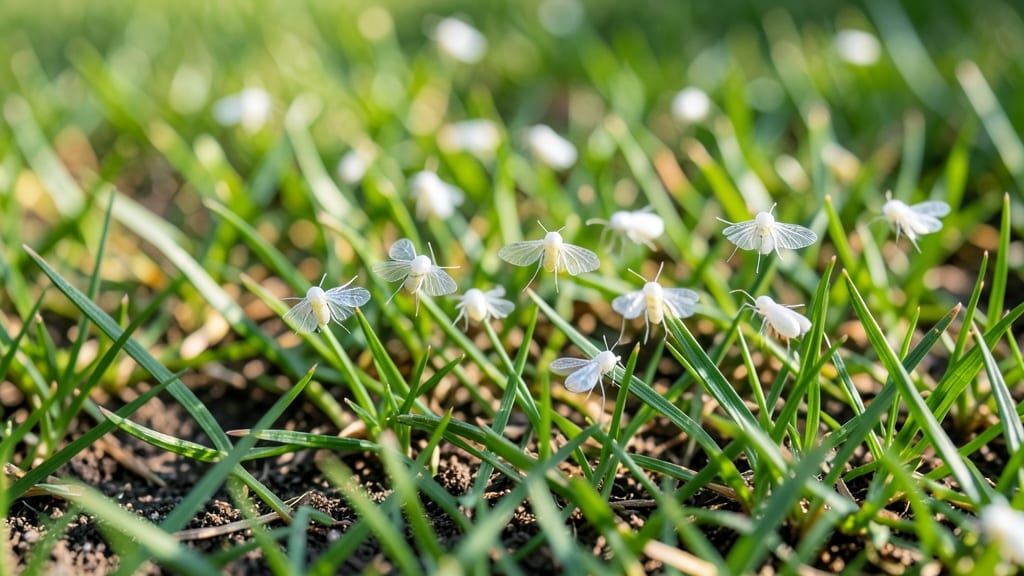
White flying bugs swarming your lawn can feel like an invasion—but I’ve found a foolproof way to blast them off instantly without harsh chemicals. 🌱 The boiling water trick works faster than sprays and won’t harm your grass if done right.
These tiny pests (often fungus gnats or whiteflies) thrive in damp soil, and once they’re airborne, they’re a nuisance until you act.
First, identify the culprits: white flying bugs are usually 1/8-inch or smaller, with delicate wings and a fuzzy appearance. They hover near grass blades or plants, especially after watering.
The key to eradication is timing—target them on calm days when they’re most active, and use the boiling water method as a first strike before they multiply.
You’ll see results in minutes: a quick pour of boiling water over infested areas sends them scattering, and the heat disrupts their life cycle. For long-term control, focus on drainage and less frequent watering—these bugs love moisture. Pair this with yard cleanup (remove thatch) to starve them out completely.
This method works for lawns, gardens, and even potted plants—no chemicals, no guesswork. Just be cautious with pets and kids nearby, and repeat weekly until the swarms disappear. Your grass will thank you for the interruption of their party.
Root Causes of Lawn Invaders
If your lawn has suddenly become a hotspot for tiny white flying bugs, you’re not alone—these pests are drawn by specific conditions that turn your yard into an all-you-can-eat buffet.
Understanding why they’re there is the first step to kicking them out for good. Let’s break down the science behind their unwelcome visits.
White flying bugs—often fungus gnats or springtails—love damp, decaying environments. Your lawn’s thatch layer (the spongy zone between grass and soil) acts like a cozy hotel for them when it’s too wet. Here’s why:
- Overwatering: Frequent or heavy watering keeps thatch soggy, creating the perfect breeding ground. These bugs thrive in moisture levels above 30%—a common issue in thick turf or shaded areas.
- Decomposing plant debris: Leaves, clippings, or dead grass left piled up release sugars and nutrients that attract fungal spores, which in turn draw fungus gnats. Even mulch near lawn edges can become a magnet.
- Poor drainage: Clay soil or compacted areas trap water, turning your lawn into a swamp. Test drainage by digging a 6-inch hole—if it fills in under 6 hours, you’ve got a problem.
Pro tip: 💡 Reduce watering to 1–1.5 inches per week (including rain) and aerate compacted soil to improve airflow.
Many white flying bugs, like fungus gnats, are not eating your grass—they’re dining on the fungi and bacteria feasting on your lawn. Here’s the chain reaction:
- Thatch buildup: A thatch layer thicker than ½ inch blocks water and air, creating anaerobic zones where fungi like Pythium or Rhizoctonia thrive. These fungi emit volatile organic compounds (VOCs) that signal fungus gnats: “Party’s here!”
- Grass disease: Lawns with dollar spot, brown patch, or snow mold release spores that double as bug buffets. Even healthy-looking grass can harbor microscopic fungal gardens.
- Pet waste & synthetic fertilizers: Urea-based fertilizers and dog urine spike nitrogen levels, which fungi love. The resulting fungal bloom? A free all-you-can-eat buffet for gnats.
Pro tip: 🌡️ Dethatch in early fall and use compost-based fertilizers (like milorganite) to starve fungi naturally.
Not all white fliers are lawn-born—some are indoor escapees lured outside by your yard’s conditions. Here’s how they sneak in:
- Houseplant gnats: If you’ve got African violets, bromeliads, or other moisture-loving houseplants, fungus gnats may have already set up shop. A single pregnant female can lay 300 eggs in potting soil—then her offspring might take a joyride to your lawn.
- Compost bins & vermicomposters: Outdoor compost piles with high moisture (above 60%) become gnat nurseries. If your bin is near the lawn, the bugs will colonize both.
- Wind & water dispersal: Light rains or breezes can carry gnat larvae or pupae from mulch beds, gardens, or even neighboring yards straight to your turf.
Pro tip: ✨ Quarantine new plants for 2 weeks outdoors before bringing them inside, and cover compost bins with breathable mesh.
White flying bugs aren’t year-round pests—they’re opportunistic. Their life cycles sync with your lawn’s most vulnerable moments:
| Season | Why Bugs Strike | Lawn Weakness Exploited |
|---|---|---|
| Spring | Warm soil + melting snow = perfect hatching conditions. | New grass growth (high sugar content) and thawing thatch. |
| Fall | Cool nights + damp mornings = fungal boom. | Leaf litter and overseeding (fresh seed = food for fungi). |
| Summer (after rain) | Stagnant water + heat = larval explosion. | Compacted soil (traps moisture) and dormant grass roots. |
Pro tip: ⏰ Time treatments—apply boiling water or nematodes in early morning (when bugs are sluggish) or after rain (when larvae surface).
Quick Fixes for Flying White Pests
If your lawn is being invaded by white flying bugs—likely fungus gnats, whiteflies, or other tiny winged pests—don’t panic. These solutions are designed to tackle the problem fast while keeping your grass healthy.
Below, we’ve mapped out cause-specific fixes and prevention tips to help you reclaim your lawn without harsh chemicals.
Before treating, confirm what’s buzzing around.
Grab a magnifying glass (or a phone with a macro lens) and inspect: - Fungus gnats: Tiny, mosquito-like bugs hovering near damp soil. - Whiteflies: Tiny white moths clustering on undersides of grass blades or weeds. - Springtails: Tiny, wingless (or rarely winged) pests that jump when disturbed.
Pro Tip: 💡 Time of day matters—early morning or late evening is best for spotting them.
1.
Boiling Water Blast (Your Secret Weapon!) If fungus gnats or whiteflies are thriving in moist soil, a boiling water treatment can shock them into submission. - How to do it: 👨🍳 - Boil 1 gallon of water (add a splash of dish soap for extra stickiness). - Let it cool slightly (but stay hot—around 160°F). - Pour directly onto infested soil in small, targeted bursts. - Repeat 2-3 times weekly for severe cases.
✨ Why it works: The heat disrupts their life cycle, and the soap traps them.
2.
Diatomaceous Earth (DE) Dusting For springtails or crawling nymphs, food-grade DE is a dry, non-toxic killer. - How to apply: 🌡️ - Lightly dust affected areas (avoid overdoing it—it can harm beneficial soil microbes). - Reapply after rain or watering (DE loses potency when wet). - Best for dry, warm days (humidity reduces effectiveness).
🎯 Pro Tip: Mix DE with cocoa bean mulch—the scent repels pests naturally!
3.
Yellow Sticky Traps (For Flying Adults) If whiteflies or fungus gnats are airborne, intercept them before they lay eggs. - How to set traps: 🏷️ - Buy yellow sticky cards (or DIY with yellow paper + petroleum jelly). - Place traps low to the ground (where pests hover). - Check and replace every 3-5 days (they fill up fast!).
🔥 Bonus: Hang traps near weedy patches—these attract pests like magnets.
4. Improve Drainage & Reduce Moisture Most white flying bugs love wet soil.
Fix this to starve them out: - Aerate your lawn (🔪 use a core aerator to break up compacted soil). - Rake topsoil to improve airflow. - Water deeply but less often (early morning is best—avoid evening dampness).
💡 Prevention Tip: If your lawn stays soggy, consider sand topdressing in problem areas.
5.
Beneficial Nematodes (Nature’s Pest Police) Microscopic Steinernema feltiae nematodes hunt fungus gnat larvae underground. - How to apply: 🐛 - Buy beneficial nematodes (available online or at garden centers). - Mix with water and apply evening (they die in direct sunlight). - Water lightly after to help them move into the soil.
✨ Works best in: Moist, organic soil—ideal for fungus gnat control.
6.
Neem Oil Spray (Multi-Purpose Defense) Neem oil disrupts pest life cycles and is safe for lawns when diluted. - DIY recipe: 🥘 - Mix 1 tbsp neem oil + 1 tsp mild soap + 1 quart water. - Spray evenly on soil and grass blades (avoid spraying on hot days—it can burn). - Reapply every 5-7 days until pests decline.
🎯 Best for: Whiteflies, fungus gnats, and soft-bodied pests.
| Problem | Prevention Fix | How Often |
|---|---|---|
| Overwatering | Water deeply 2-3x/week (early AM) | Seasonal adjustment |
| Thatch Buildup | Dethatch lawn in spring/fall | Every 1-2 years |
| Weedy Patches | Pull weeds weekly (they attract pests) | Ongoing maintenance |
| Compacted Soil | Aerate spring or fall | Yearly if heavy use |
💡 Final Tip: Healthy grass = fewer pests—fertilize with low-nitrogen, slow-release options to avoid overfeeding (which attracts bugs).
By combining immediate blasts of boiling water with long-term soil fixes, you’ll send those white flying bugs packing—for good! 🚀
Frequently asked questions
Are white flying bugs harmful to my lawn or pets?
Most white flying bugs like fungus gnats and springtails are not harmful to your lawn—they feed on fungi and decaying matter, not grass roots. However, large infestations can indicate poor drainage or overwatering, which may stress your grass. For pets, these bugs are harmless unless they bite (like some gnats), but they won’t transmit diseases. Always monitor your pet’s behavior after treatments like boiling water.
Why do white flying bugs appear after rain?
Rain triggers two key factors: moisture and disturbance. Damp soil releases fungal spores that attract fungus gnats, while rain dislodges larvae from thatch, sending them airborne. The best time to treat is 24-48 hours after rain when adults are most active. Reducing post-rain watering can also help prevent recurrence.
Will boiling water hurt my grass?
When used correctly, boiling water is safe for grass—just avoid pouring it directly on blades. Target the soil surface where larvae hide, and use 1 gallon per 10 sq ft. For thick thatch, let the water cool slightly (160°F) to prevent scorching. Repeat treatments won’t harm healthy grass, but overwatering afterward can undo your progress.
How long until I see results from boiling water?
You’ll notice a 50% reduction in swarms within 24 hours as adults die from heat shock. For complete eradication, repeat treatments 2-3 times weekly for 2-3 weeks to break their life cycle. Combine this with yellow sticky traps to catch newly hatched adults. Patience is key—larvae in deeper soil may take longer to emerge.
Can I use vinegar instead of boiling water?
Vinegar (1:1 water ratio) can help short-term by disrupting fungal food sources, but it’s not as effective as boiling water for killing larvae. The acidity may also harm beneficial soil microbes. For best results, use vinegar as a supplemental spray (early morning) alongside boiling water treatments. Always test a small patch first.