
Pests
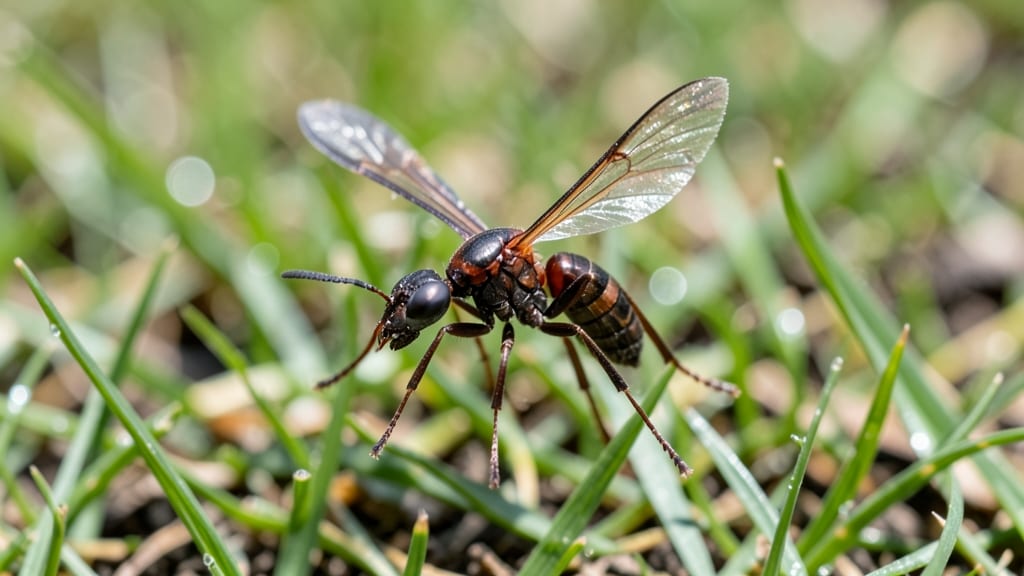
My lawn turned into a swarm highway last summer when flying ants took over—until I discovered the boiling water blast method. 🌱 These winged invaders aren’t just annoying; they signal a colony underground ready to raid your garden.
The good news? A targeted approach can wipe them out in minutes without harsh chemicals, and I’ll show you exactly how.
You’ll need a pot of boiling water, a long-handled spoon (or a turkey baster if you’re feeling fancy), and a clear day when the ants are most active—usually after rain. The secret weapon? Precision: pour the water directly onto the flying ants as they emerge, not the grass.
This kills them on contact while protecting your lawn’s health. Most swarms appear in late summer when colonies send out new queens, so timing matters.
Within seconds, you’ll see the ants drop like flies, and the ground will stop buzzing. The remaining workers retreat underground, but the message is clear: their reign is over. This method works best for small to medium swarms, and it’s safe for pets and plants once the water cools.
No chemicals, no waiting—just instant satisfaction and a lawn that stays yours.
For larger infestations, repeat the process over a few days or combine it with natural deterrents like diatomaceous earth around your foundation. The key is acting fast—ants move quickly, and so should you. Here’s how to make it work without turning your yard into a war zone.
📚 In This Guide
- What you need
- Instructions
- Tips and common mistakes
- Wrapping up and next steps
What you need
- ● 1 large pot or kettle (minimum 2-3 gallons capacity—think a stockpot or a heavy-duty kettle for maximum heat retention).
- ● 1 sturdy ladle or pouring pitcher (preferably heat-resistant silicone or metal with a long handle to avoid burns).
- ● Boiling water (obviously! Aim for rolling boil—212°F/100°C or hotter for best results).
- ● Protective gear: 1 pair of thick work gloves (to shield hands from heat and splashes).
- ● 1 long-sleeve shirt and pants (or old clothes you don’t mind getting wet).
- ● 1 closed-toe shoes (to avoid accidental spills or burns).
- ○ 1 garden hose with adjustable nozzle (optional but helpful for rinsing areas post-treatment).
- ● 1 spray bottle with soapy water (to drown any stragglers post-boil).
- ● 1 broom or leaf blower (to clear debris before/after treatment).
- ● 1 fire extinguisher or bucket of sand (for emergency safety—just in case!).
- ● 1 pair of safety goggles (if you’re extra cautious or dealing with a large infestation).
- ● 1 timer or stopwatch (to track 30-second soak time for maximum ant demise).
How to eliminate flying ants in your lawn with boiling water
This method works fast and targets only the ants—no harsh chemicals needed.
🪴 Step 1: Scout and Identify Active Ant Hills
First, walk your lawn on a warm, dry morning when flying ants are active. Look for small, dome-shaped mounds with tiny holes—these are their nests. You’ll often spot them near sidewalks, under shrubs, or in grassy patches where the soil is soft. I like to mark each mound with a small stick or flag so I don’t miss any.
If you can’t find the hills, watch where the flying ants land after takeoff. They’ll cluster near their nests. Avoid treating areas where kids or pets play—boiling water is safe once cooled but can scald skin if spilled.
💧 Step 2: Prepare Your Boiling Water Setup
Fill a large pot or kettle with water and bring it to a full rolling boil. I use a 5-gallon pot for multiple hills—it’s heavy, so place it on a heat-safe surface near your target areas. Keep a long-handled ladle or a watering can with a narrow spout ready to pour.
Wear gloves and long sleeves to protect your hands from splashes. Boiling water can cause burns, so work quickly but carefully. If you’re treating multiple hills, keep the pot topped off with fresh boiling water as needed.
✂️ Step 3: Pour Boiling Water Directly on the Hills
Start with the smallest hills first. Pour 1-2 quarts of boiling water directly onto the center of each mound. The heat will kill ants on contact and penetrate the soil to reach the nest. You’ll see steam rise and ants scatter—this means it’s working.
For larger hills, repeat the process in 2-3 spots to ensure the entire nest is exposed. Avoid oversaturating the soil, as excess water can wash away the mound and make it harder to locate remaining ants. Wait 5-10 minutes before retreating any areas that seem active.
☀️ Step 4: Monitor and Retreat if Needed
After treating, watch the area for 3-5 days. Flying ants may reappear if the nest wasn’t fully destroyed. If you see new activity, repeat the boiling water treatment. This method is most effective when the entire colony is targeted.
Once the hills are gone, keep an eye out for new mounds forming. Flying ants often return to the same areas, so early intervention is key. If the problem persists, consider adding diatomaceous earth around the perimeter as a preventive barrier.
⏰ Step 5: Prevent Future Infestations
Reduce flying ant attraction by keeping your lawn mowed and free of debris. Ants love moist, shaded areas, so trim overgrown grass and clear leaf litter. I also recommend sealing small cracks in sidewalks or foundations with caulk—these gaps can become new nesting sites.
If flying ants become a yearly issue, treat the lawn in early spring before they establish large colonies. A quick boiling water blast then can save you from a full-blown infestation later in the season.
Tips & tricks for eliminating flying ants with boiling water
Flying ants can be a nuisance, but this method works like a charm when you know the right tricks. Here's what I've learned from years of battling these winged invaders.
Timing Secret: The 5-10 minute wait after treating larger hills is crucial—it gives the boiling water time to fully penetrate the soil and reach deeper nest chambers. I've seen ants reappear when I didn't wait long enough, so be patient. This extra time ensures the entire colony gets exposed to the heat, not just the surface ants.
Safety First: Always wear gloves and long sleeves when handling boiling water—trust me, the burns aren't worth skipping this step. I also recommend treating on a calm day when kids and pets aren't playing nearby. The water cools quickly once poured, but splashes can still cause discomfort. A small spray bottle with water nearby helps you cool any accidental spills instantly.
Equipment Upgrade: While a regular pot works fine, I've found that a watering can with a narrow spout makes pouring boiling water much more precise. It lets you direct the water exactly where you need it without wasting heat on surrounding areas. You can also use a turkey baster for even more control over smaller hills.
Monitoring Strategy: After treatment, I mark the areas with small flags or sticks so I can easily spot any new activity during the 3-5 day monitoring period. This helps me track which hills were fully eliminated and which might need retreatment. I've also noticed that treating in early spring prevents most summer infestations—it's like hitting reset on their nesting cycle.
Pro Tips for Flying Ants In My Lawn
- Flying ants can be a nuisance, but this method works like a charm when you know the right tricks.
- Timing Secret: The 5-10 minute wait after treating larger hills is crucial—it gives the boiling water time to fully penetrate the soil and reach deeper nest chambers.
- Safety First: Always wear gloves and long sleeves when handling boiling water—trust me, the burns aren't worth skipping this step.
Frequently asked questions
Got questions about flying ants swarming your lawn? You’re not alone! Here are some of the most common concerns—and quick, actionable answers to tackle them.
Why do flying ants suddenly appear in my lawn every year?
Flying ants (often confused with carpenter ants) emerge in nuptial flights—a seasonal mating ritual triggered by warm, humid weather (usually late spring to summer). This annual event isn’t just a pest problem; it’s their only chance to reproduce. Their timing varies by region, but the boiling water method works best during these swarms.
How long will it take for the flying ants to disappear after treatment?
Most flying ants die within 24–48 hours after a boiling water blast, but you’ll see immediate results. The swarm peaks for 1–3 days, so repeat treatment if new ants appear. Pro tip: Target nests (look for tiny holes in soil or wood) for long-term control—boiling water kills larvae too!
Is boiling water safe for my grass or pets after treatment?
Boiling water is non-toxic and won’t harm grass if used carefully (avoid over-saturating roots). For pets: Keep them away until the water cools (10+ minutes) and the area dries. If your lawn has delicate plants, spot-treat near ant trails instead of flooding wide areas.
Are there chemical-free alternatives to boiling water?
Yes! Try these eco-friendly options:
- Diatomaceous earth (food-grade): Sprinkle near ant trails—it dehydrates them. (Reapply after rain.)
- Soapy water spray: Mix 1 tbsp dish soap with water in a spray bottle. Target flying ants directly.
- Vinegar solution: 1:1 vinegar-water mix disrupts scent trails (reapply frequently).
What if the flying ants keep coming back after treatment?
Persistent swarms may mean multiple nests nearby. Check for:
- Mounds in soil (like tiny volcanoes).
- Hollow-sounding wood (carpenter ants).
- Ants on windowsills or indoors (sign of indoor nests).
Still stumped? Drop your specific situation in the comments—we’ve helped hundreds banish flying ants for good!
Wrapping up and next steps
Dealing with a swarm of flying ants in your lawn can feel overwhelming, but with the right approach—like a boiling water blast—you can tackle the problem fast and effectively. 🚫🐜 Remember, timing, safety, and consistency are key to keeping your yard ant-free.
Don’t let these tiny invaders take over—take action now!
Next steps:
- Grab your gear and blast those ants today!
- Monitor your lawn for a few days to ensure they’re gone for good.
- Consider preventive measures like natural repellents or professional help if needed.