
Lawn
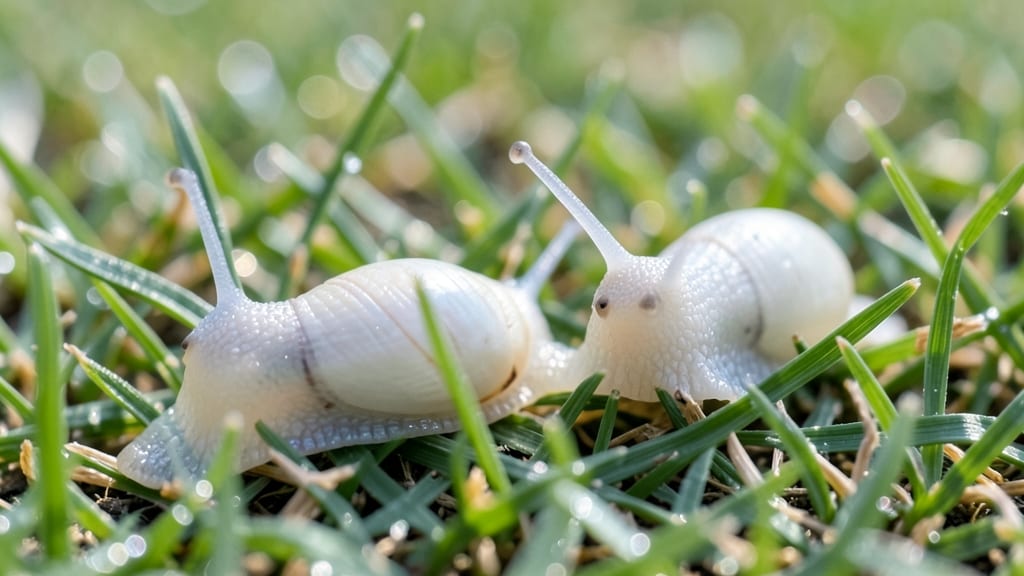
White snails in your lawn aren’t just unsightly—they’re a fast-track to shredded grass and slimy trails that turn picnics into gross-out contests. 🌱 I’ve watched these slimy invaders turn my once-lush lawn into a chewed-up carpet, and trust me, they multiply faster than weeds in a drought.
The good news? A boiling water blowout isn’t just dramatic—it’s the fastest way to send them packing without harsh chemicals.
These white snails (often mistaken for slugs) thrive in damp, shaded lawns, leaving behind telltale silvery slime trails that glow under flashlights. They’re most active at night, feasting on grass blades, clover, and even young seedlings.
The damage? Ragged brown patches that look like a lawnmower mishap—until you spot the culprits hiding under boards or mulch during the day.
With a boiling water treatment, you’ll see results in minutes—not weeks. Just pour the water directly onto hiding spots (they’ll recoil instantly), and repeat for 3–5 days. The key is timing: do this after rain when they’re most active, or early morning when dew makes them sluggish.
For stubborn infestations, combine this with copper tape barriers around garden beds to block their path.
Prevention is easier than cleanup: keep grass 3–4 inches tall, fix drainage issues, and remove hiding spots like thick mulch or debris. If the problem persists, consider iron phosphate baits—they’re organic and safe for pets once dry.
No more midnight slime trails, just a lawn that stays crisp and green all season.
Hidden Triggers Behind Lawn Invaders
When you spot small, white snails slithering across your lawn, it’s not just a random nuisance—it’s often a sign that your outdoor space is unintentionally inviting them. Understanding the root causes helps you take precise action to prevent future outbreaks.
Below, we break down the science and environmental factors that turn your lawn into a snail buffet.
White snails, including species like the Cornu aspersum (common garden snail), thrive in environments that mimic their natural habitats: damp, cool, and shaded. Here’s why your lawn might be their perfect hideout:
- Excessive irrigation or poor drainage: Snails need moisture to survive, and lawns with soggy patches (especially after rain or overwatering) create ideal breeding grounds. Their slimy trails leave a trail of calcium carbonate, which further attracts them to hydrated grass.
- Thick mulch or dense ground cover: Organic mulch or leaf litter retains moisture and provides shelter. Snails burrow into these layers during the day, emerging at night to feed on tender grass blades.
- Shady spots with high humidity: Direct sunlight can dry out snails, but shaded areas (like under trees or fences) keep conditions consistently moist. This is why you’ll often see them clustering near foundations or garden beds.
Actionable fix: Improve drainage by aerating compacted soil and watering deeply but less frequently. Replace thick mulch with gravel or bark chips in high-risk areas.
Snails are herbivores, and if your lawn offers a smorgasbord, they’ll stick around. Their diet includes:
| Plant Type | Why Snails Love It |
|---|---|
| Hostas, lettuce, or impatiens | Soft, moisture-rich leaves are their favorite snack. |
| Decaying plant matter (e.g., fallen leaves, rotting wood) | Provides both food and shelter. |
| Newly sprouted grass or seedlings | Tender shoots are easy to consume, especially after mowing. |
Actionable fix: Remove plant debris regularly and opt for snail-resistant ground covers like clover or creeping thyme. If you have prized plants, use copper tape barriers (snails hate the electric charge it creates!).
Snails don’t just appear out of nowhere—they often hitch a ride or seek refuge in human-altered spaces. Here’s how:
- Accidental transport: Snails can cling to tools, shoes, or even firewood. If you’ve recently moved plants or brought in mulch, you might’ve unknowingly introduced them.
- Winter hibernation spots: In cold weather, snails seek shelter under rocks, boards, or thick mulch. If these spots aren’t disturbed, they’ll re-emerge in spring, ready to reproduce.
- Compost piles: While composting is great for soil health, it can also attract snails. They’re drawn to the warmth and organic matter, which speeds up their lifecycle.
Actionable fix: Inspect tools and materials before bringing them onto your property. In winter, remove hiding spots like piles of leaves or debris. For compost, use a sealed bin with a tight-fitting lid.
In a balanced ecosystem, predators like birds, frogs, and ground beetles keep snail populations in check. But if these natural controls are missing, snails multiply unchecked. Common reasons for predator loss:
- Pesticide use: Chemicals that kill snails often also harm their predators, creating a vacuum that lets snail populations explode.
- Habitat destruction: Removing bushes, ponds, or logs eliminates hiding spots for frogs and toads, which are key snail hunters.
- Urbanization: Lawns replace diverse ecosystems, reducing biodiversity and removing food sources for predators.
Actionable fix: Avoid broad-spectrum pesticides and instead encourage predators with bird feeders, small water features, or native plants that attract beneficial insects.
By addressing these underlying causes, you’re not just treating the symptoms—you’re cutting off the supply line that keeps snails coming back. Stay tuned for our next section on how to eliminate them for good!
Quick Fixes for White Snails
If you’ve spotted those pesky white snails—likely slugs or snail eggs—creeping through your lawn, don’t panic! These slimy invaders thrive in damp, shady spots but can be banished with the right strategies.
Below, we’ll break down cause-specific solutions to tackle the problem head-on, plus prevention tips to keep your lawn snail-free long-term.
---
Cause: Snails and slugs love moisture. If your lawn stays soggy or lacks sunlight, these pests will move in like uninvited houseguests.
Fix: - Reduce watering 💧 – Water deeply but less frequently (early morning is best). Avoid overhead sprinklers that leave puddles. - Improve drainage 🏗️ – Rake up thatch, aerate compacted soil, or add organic matter (like compost) to help water absorb faster. - Add sunlight ☀️ – Trim overgrown trees or bushes to let more light reach the ground. Snails hate dry, sunny conditions!
Prevention Tip: 🌡️ Mulch wisely—use coarse mulch (like pine straw) instead of fine bark, which traps moisture.
---
Cause: Those tiny white specks? They’re snail eggs, and they’ll hatch into a full-blown infestation if left alone.
Fix: - Handpick eggs 👩🔧 – Wear gloves and carefully scrape them into a bucket of soapy water (or crush them—no mercy!). - Set beer traps 🍺 – Bury a shallow dish filled with beer near problem areas. Snails are drawn in and drown (gross but effective). - Use diatomaceous earth 🌿 – Sprinkle food-grade DE around the yard. It dehydrates snails on contact (reapply after rain).
Prevention Tip: ✨ Encourage predators—birds, frogs, and ground beetles love snacking on snails. Plant native flowers to attract them!
---
Cause: Snails leave a slimy trail because they can’t cross rough or dry surfaces.
Fix: - Create a copper barrier ⚡ – Bend copper tape or wire around garden beds. The mild electric charge repels snails (safe for pets/kids!). - Use crushed eggshells or sand 🥚 – Sprinkle a 2-inch border around plants. Snails hate the sharp texture. - Try coffee grounds ☕ – Sprinkle used grounds near entry points. The caffeine acts as a natural deterrent.
Prevention Tip: 💡 Keep grass short—taller grass gives snails hiding spots. Mow regularly to expose them to predators and sunlight.
---
Cause: If snails are already feasting on your lawn, you need fast action.
Fix: - Boiling water method 🔥 – Fill a watering can with boiling water and pour it directly onto snails/slugs. They’ll dissolve instantly (bonus: no chemicals!). - Iron phosphate baits 🍽️ – Use organic pellets (like Sluggo). Snails eat them, stop reproducing, and die within days. - Nighttime hunting 🌙 – Grab a flashlight and manually remove snails after dark when they’re most active.
Prevention Tip: ⏰ Act at dawn/dusk—these are the prime times for snail activity. Check your lawn then to catch them early!
--- To keep your lawn snail-free, combine these habits: - Mow high (3–4 inches) to discourage hiding. - Water in the morning to let soil dry by evening. - Remove debris (boards, rocks) where snails hide. - Plant snail-resistant grass like tall fescue or zoysia.
With these practical, chemical-free fixes, you’ll send those white snails packing—and keep your lawn lush and healthy! 🚀
Frequently asked questions
Are white snails in my lawn actually snails or something else?
What you're seeing are likely slugs or their eggs, not true snails. Slugs leave shiny, silvery trails (like white snail slime) and have soft, unprotected bodies, while snails have hard shells. Both thrive in damp lawns, but slugs are more common in North America. Check for tiny white eggs clustered in moist soil—they'll hatch into more pests!
Why do I see white snail trails only at night?
Snails and slugs are nocturnal creatures—they come out after dark when conditions are cooler and more humid. Their slime trails glow under flashlights because they contain calcium carbonate, which reflects light. If you spot trails at night, that means they're actively feeding on your grass right now!
Will boiling water kill snail eggs too?
No, boiling water won't penetrate the soil to reach buried eggs. For eggs, you need to physically remove them (wear gloves!) or use diatomaceous earth around planting areas. The eggs are tiny white specks in moist soil—check under boards, mulch, or dense grass where they hide during the day.
Are there any pets or wildlife that eat white snails?
Birds like robins and thrushes, frogs, toads, and ground beetles all love snacking on snails. To attract them, add a small water feature or plant native flowers. Just avoid pesticides—they kill both pests AND their natural predators, creating a vacuum that lets snails multiply uncontrollably.
How long does it take to see results from natural remedies?
Most natural methods show improvement within 3-5 days of consistent use. Copper barriers work immediately (snails avoid them instantly), while diatomaceous earth takes 24-48 hours to dehydrate existing pests. For beer traps, check them daily—you'll see results within 1-2 nights of setting them up.