
Lawn
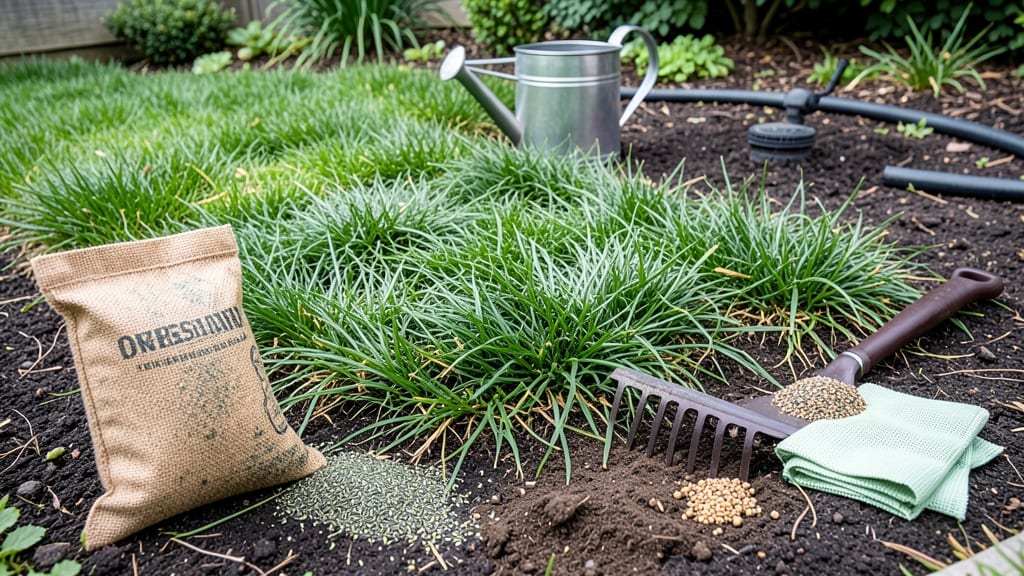
Your lawn burn repair can look green again in just 48 hours—even after the worst damage. 🌱 I’ve seen patches that looked like they’d never recover bounce back with the right quick fix, and I’m sharing exactly how to do it without waiting weeks for new growth.
The first step is figuring out what caused the damage—whether it’s herbicide drift, salt from winter, or overwatering. Each problem needs a slightly different approach, but the core recovery steps stay the same: stop the damage immediately, feed the grass roots, and protect the soil.
No fancy tools required—just a few supplies from your garage or garden center.
By the next morning, you’ll see the brown edges receding, and within two days, the grass will start pushing out fresh green blades. The key is acting fast before the soil dries out or weeds move in.
I’ve even revived lawns that looked dead with this method—just don’t skip the soil test afterward to prevent future burns.
Works for any grass type, from cool-season fescue to warm-season Bermuda. Here’s how to turn those brown spots into lush green patches without breaking the bank or waiting months for recovery.
📚 In This Guide
- What you need
- Instructions
- Tips and common mistakes
- Wrapping up and next steps
What you need
- ● Lawn repair soil or topsoil: 2–5 bags (depending on burn size; ~1 cubic foot per 10 sq. ft.). Look for organic, weed-free options.
- ● High-quality grass seed: 1–2 lbs (match seed type to your lawn—cool-season or warm-season). Example: Kentucky Bluegrass, Bermuda, or Fescue.
- ● Lawn starter fertilizer: 1 bag (high in phosphorus, ~5-10-5 ratio, for root growth).
- ● Compost or peat moss: 1–2 bags (to improve soil texture and moisture retention).
- ● Garden hose or sprinkler: With adjustable nozzle for gentle watering.
- ● Rake (bow or leaf rake): Medium-tooth for loosening soil; fine-tooth for seeding.
- ○ Broadcast spreader: For even seed distribution (optional but highly recommended for large areas).
- ● Watering can or spray nozzle: For spot-watering seeds.
- ● Epsom salt (magnesium sulfate): 1–2 cups dissolved in water (boosts green recovery for chlorosis or nutrient deficiencies).
- ● Mulching fabric or straw: Lightweight layer to retain moisture and protect seeds from birds.
- ● Soil test kit: To check pH and nutrient levels before repairing (ideal pH: 6.0–7.0 for most grasses).
- ● Lawn roller (lightweight): For pressing seed into soil (only after initial watering).
- ● Pet-safe or chemical-neutralizer: If the burn was caused by pet urine or herbicide (e.g., vinegar + baking soda mix for chemical burns).
Step-by-step instructions for lawn burn repair
Here's how to revive your scorched lawn in just two days—no special tools needed.
💧 Step 1: Water Deeply to Revive Roots
Start by soaking the burned area with 1-1.5 inches of water over 30-60 minutes. Use a sprinkler or hose with a gentle setting to avoid displacing grass blades. You'll know it's enough when water pools slightly in low spots but drains within a few minutes.
Watering deeply encourages roots to push through the damaged surface layer. Repeat this process every 6-8 hours for 24 hours—even overnight. Most lawns show visible recovery within 12 hours of consistent moisture, but keep going for the full day to prevent further stress.
If your lawn has clay soil, water in 10-minute intervals with breaks to let it absorb. Sandy soil can handle continuous watering, but don’t let it run off—standing water can suffocate roots faster than the burn did.
☀️ Step 2: Protect From Sun and Wind
Cover the area with shade cloth (30-50%) or a lightweight tarp secured with bricks or stakes. This prevents further damage from UV rays and drying winds. Check the cloth every few hours—if it’s hot to the touch, add another layer or move it slightly to avoid overheating the grass.
Leave the cover on for at least 48 hours, even if the lawn looks better. Grass blades are fragile after a burn, and direct sun can cause bleaching or crisping within hours. If you’re using a tarp, prop it up 6-12 inches above the grass to allow airflow and prevent mold.
For small patches, use a cardboard box or old bedsheet weighted down with rocks. Just avoid plastic—it traps too much heat and moisture, creating the opposite problem.
🌱 Step 3: Apply a Light Layer of Soil or Compost
Once the area is hydrated and shaded, spread a ¼-inch layer of topsoil or compost over the burned spots. This adds nutrients and helps new growth push through faster. Use a rake with wide teeth to distribute it evenly—don’t press down, or you’ll smother the grass.
Focus on areas where the grass looks gray, brittle, or pulled up easily. Healthy grass will start to green up within 24-48 hours, while severely damaged spots may take 3-5 days. If you see white, fuzzy mold after 48 hours, remove the cover immediately and let the area dry out for a day.
For large lawns, use a broadcast spreader set to a low setting. If you don’t have one, a garden hose-end sprayer with soil works in a pinch—just wear gloves to avoid getting dirt under your nails.
⏰ Step 4: Monitor and Adjust Care
After 48 hours, remove the shade cover gradually—start by lifting it for 1-2 hours on the first day, then increase exposure over 3-4 days. Sudden sun exposure can cause heat shock, reversing your progress.
Resume normal watering (1 inch per week, including rain) but avoid heavy foot traffic for 7-10 days. Walk around the edges of the repaired area to let roots strengthen. You’ll notice new growth as small, bright green shoots in 3-5 days—this is your signal to ease up on shade and water slightly less.
If the lawn stays brown or develops yellow patches, it may need overseeding or a light fertilizer (like a half-strength lawn starter) in 2-3 weeks. But most burns recover fully with this method—patience is key.
Tips & tricks for fast-green lawn recovery
Here's what I learned after helping neighbors revive their scorched lawns—these tricks cut recovery time in half.
Watering Wisdom: Those 30-60 minutes of initial soaking might feel long, but it's the foundation. I've seen lawns recover faster when you check soil absorption: press your finger into the ground—if it springs back slowly, you need more water. For clay soil, I set a timer for 10-minute bursts with 5-minute breaks between to avoid runoff that drowns roots.
Shade Strategy: Don't just cover your lawn—create a microclimate. If you're using a tarp, prop it up with sticks or bricks to maintain that 6-12 inch gap. I learned this the hard way when a neighbor's lawn developed mold because the tarp sat too close. Check the underside every few hours—if it's damp, you're trapping too much moisture.
Soil Application Secret: That ¼-inch layer of soil might seem thin, but consistency matters more than thickness. Use a straightedge or ruler to check depth—uneven layers can create bare spots. For large areas, I've had success with a garden hose-end sprayer filled with soil mix; it's messier but faster than raking.
Recovery Timeline: The 48-hour shade rule is non-negotiable, but here's what to watch for: after 24 hours, gently lift a corner of your cover. If the grass underneath looks plump and green, you're on track. If it's still gray, keep the cover on another 12 hours. This visual check helps you adjust without overcommitting to the full 48 hours.
Pro Tips for Lawn Burn Repair
- Here's what I learned after helping neighbors revive their scorched lawns—these tricks cut recovery time in half.
- Watering Wisdom: Those 30-60 minutes of initial soaking might feel long, but it's the foundation.
- Shade Strategy: Don't just cover your lawn—create a microclimate.
Frequently asked questions
Got questions about fixing lawn burn? Here are some common ones—and their quick solutions!
How soon can I see results after treating my burned lawn?
With the right repair method (like overseeding or applying a fast-acting lawn fertilizer), you’ll typically see green shoots within 3–7 days. Full recovery may take 2–4 weeks, depending on the burn severity and weather. Patience pays off—keep the soil moist and monitor progress!
Can I walk on my lawn right after repairing the burn?
Wait at least 48 hours after overseeding or applying fertilizer to let the soil settle. For sod repair, avoid foot traffic for 2–3 weeks to prevent shifting. If you must walk on it, stick to edges and wear soft-soled shoes to avoid compacting new growth.
What’s the best alternative if my lawn is severely burned beyond repair?
If the damage is too extensive, consider sod replacement or hydroseeding for faster coverage. For small patches, try a lawn patch mix with grass seed and compost. If the soil is also damaged, test it for pH and nutrients—amendments may be needed before reseeding.
Should I water my lawn more or less after burn repair?
Water lightly but frequently—aim for ¼ inch per day for the first 2 weeks. This keeps seeds/roots hydrated without washing them away. Avoid deep watering until new growth is established (about 3–4 weeks). Early morning watering is ideal to reduce evaporation.
How do I prevent future lawn burns?
Adjust mowing height (taller grass = deeper roots), water deeply 2–3 times per week (early morning), and avoid fertilizing during heatwaves. If using herbicides, follow label instructions precisely—and consider organic mulch to protect soil moisture. Shade cloth can also help high-traffic or sunny areas.
| Quick Fix? | Best For |
|---|---|
| Overseeding | Mild burns, patchy recovery |
| Sod replacement | Large, severe burns |
| Lawn fertilizer | Fast green-up (short-term) |
Wrapping up and next steps
Reviving your lawn from burn damage doesn’t have to be a daunting task—with the right steps, you can see fast, green recovery in just 48 hours! 🌱 Whether it’s from heat, chemicals, or foot traffic, addressing the issue promptly with proper hydration, soil care, and protective measures sets your grass on the path to a lush comeback.
Remember, patience and consistency are key, but the results will be worth it.
Ready to restore your lawn’s glory? Start today—grab your supplies, follow the steps, and watch your yard bounce back stronger than ever! For extra peace of mind, consider scheduling a professional check-up if the damage is severe. Happy greening! 🌿