
Lawn
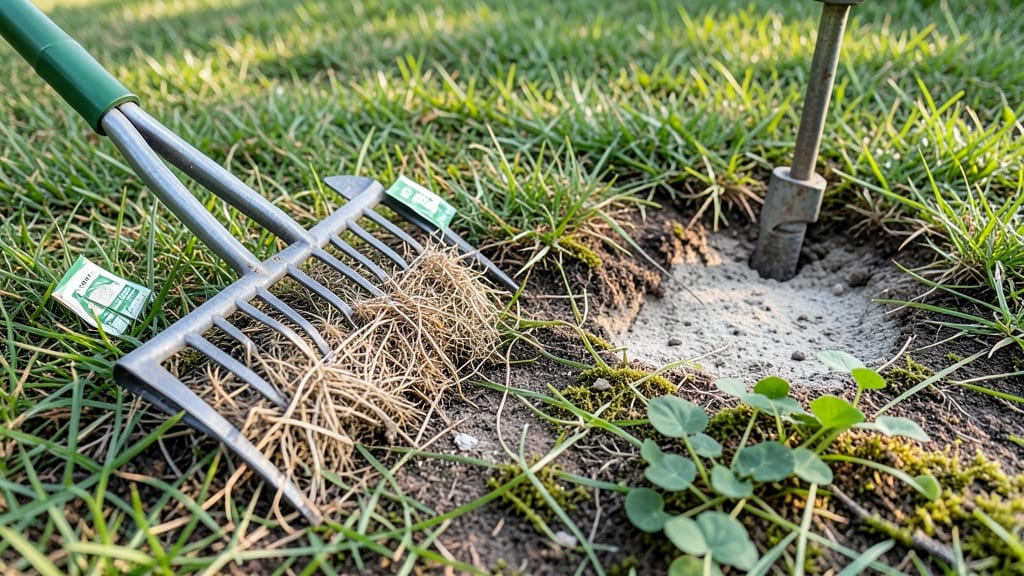
Those mysterious green patches in your lawn aren't weeds—they're often a sign your grass is fighting back against neglect. 🌱 I've spent years diagnosing why lawns develop these spots, and the fixes are simpler than you'd think: soil tests, smart mowing, and targeted treatments that actually work.
The real culprits are usually moss, algae, or nutrient deficiencies—all fixable with the right approach. Most people overlook the basics like mowing height and watering schedules, which can make or break recovery. My lawn went from patchy to lush in just 6 weeks after adjusting these simple habits.
You'll end up with a lawn that stays green year-round, resists weeds naturally, and handles drought better. The key is understanding what your grass needs beyond just water and occasional mowing—it's about the soil health and timing. Works for any grass type, from cool-season fescue to warm-season Bermuda.
Let's get those patches looking like the rest of your lawn again!
Why it happens
Those mysterious green patches in your lawn might look like a lush oasis, but they’re often a sign of underlying issues. Whether they’re vibrant or just slightly different from the rest, these spots rarely appear by accident.
Understanding the root causes—from hidden soil secrets to sneaky pests—helps you diagnose and fix the problem before it spreads. Let’s dig into the science behind these puzzling patches.
🌱 Overwatering or Poor Drainage: The Drowning Problem
If your lawn has soggy, spongy green patches, overwatering or poor drainage could be the culprit. When grass sits in waterlogged soil for too long, it suffocates from a lack of oxygen.
This creates the perfect environment for fungal diseases like dollar spot or brown patch, which can leave behind irregular green or yellowish areas.
💡 Pro Tip: Test your soil’s drainage by digging a 6-inch hole and filling it with water. If it drains slowly (more than 4 hours), your lawn may need amendments like sand or compost to improve aeration.
Also, adjust your watering schedule—deep, infrequent watering (1-1.5 inches per week) is better than daily light sprinkles.
🌡️ Temperature and Shade Fluctuations: The Sun’s Spotlight
Uneven sunlight exposure can turn parts of your lawn into shade-loving green patches while the rest struggles. Cool-season grasses (like Kentucky bluegrass or fescue) thrive in cooler, shadier conditions, while warm-season grasses (like Bermuda or Zoysia) prefer heat and full sun.
If your lawn has a mix, the cooler or shadier areas may stay green longer, creating a patchwork effect.
🌿 Solution: If you’re unhappy with the contrast, consider overseeding with a grass type that matches your lawn’s sun exposure. For example, plant fine fescue in shady spots to blend seamlessly with the rest.
🐞 Pest Infestations: Tiny Invaders with Big Effects
Insects like grubs, chinch bugs, or sod webworms can turn your lawn into a buffet, leaving behind irregular green patches as they feast on roots and stems.
Grubs, in particular, create thin, spongy areas that recover slowly, while chinch bugs target stressed grass, causing yellowing or green patches in a ring-like pattern.
🔍 How to Check: Lift a small section of sod—if you see white grubs or small brown beetles, you’ve found the culprit. Treat with beneficial nematodes or insecticidal soap for a natural fix, or use grub control in early summer before they hatch.
🌿 Nutrient Imbalances: Too Much of a Good Thing
While fertilizers feed your lawn, overapplying nitrogen can create dark green, soft patches that grow faster than the rest—only to collapse under foot traffic or drought.
Similarly, uneven phosphorus or potassium levels can cause grass to thrive in some spots while struggling elsewhere. A soil test is your best friend here!
📊 Action Steps:
- Test your soil’s pH and nutrient levels (ideal pH for most grasses: 6.0–7.0).
- Adjust fertilizer blends—slow-release, balanced formulas prevent overfeeding.
- If patches are too lush, reduce nitrogen temporarily to even out growth.
🧪 Chemical Damage: The Hidden Toxin
Accidental herbicide drift, over-salting, or even pet urine can create green patches where grass recovers differently. Herbicides like 2,4-D (common in weed killers) can leave behind resistant or stressed grass that grows back patchy.
Meanwhile, high salt concentrations (from de-icing or fertilizers) can burn roots, causing uneven recovery.
✨ Fix It: If you suspect chemical damage, flush the soil with water to dilute salts, and avoid further treatments until new grass fills in. For herbicide drift, reseeding may be necessary.
🌿 Disease Pressure: Fungal Foes at Work
Fungal diseases like red thread, gray leaf spot, or powdery mildew thrive in humid, warm conditions and can leave behind irregular green or discolored patches. These spots often have thin, weak grass that recovers slowly, especially if the fungus spreads underground via rhizomes.
🍄 Prevention Tips:
- Improve airflow with proper mowing height (never cut more than ⅓ of the blade).
- Water early in the morning to reduce humidity.
- Apply fungicidal treatments (like neem oil or copper-based sprays) if outbreaks occur.
Revive Your Lawn’s Green Spots
Now that you know the culprits behind those pesky green patches in your lawn, it’s time to roll up your sleeves and bring back that lush, uniform look. The good news?
Most fixes are simple, cost-effective, and don’t require a degree in horticulture. Below, we’ve mapped out practical solutions for the most common causes—plus prevention tips to keep your lawn thriving long-term.
Problem: Skipped watering sessions or deep drought can leave patches of stressed grass that turn a sickly green before recovering—or not at all.
How to Fix It:
- 💧 Deep Watering Revival
- Water your lawn deeply 2–3 times per week (early morning is best) instead of light, frequent sprinkles. Aim for 1–1.5 inches of water per session.
- Use a soaker hose or rain gauge to monitor soil moisture. If the top 2–3 inches of soil feel dry, it’s time to water.
- 🌱 Overseed the Bare Spots - Once the existing grass recovers, sprinkle grass seed over the patchy areas.
Choose a seed blend that matches your current grass type (e.g., Kentucky bluegrass, fescue, or Bermuda). - Lightly rake the soil to create a seed-friendly surface, then cover with a thin layer of compost or straw to retain moisture.
- 🌿 Mow High to Retain Moisture
- Set your mower to 3–4 inches during dry spells. Taller grass shades roots, reducing water loss.
💡 Prevention Tip:
- Install a smart sprinkler system or drip irrigation to automate watering and avoid missed spots.
- Mulch your lawn clippings after mowing—they return moisture and nutrients to the soil!
Problem: Green patches with a slimy, spongy texture or dark, circular rings? Fungal infections like dollar spot or brown patch are likely the culprits.
How to Fix It:
- 🧴 Fungicide Application
- Buy a broad-spectrum fungicide (like propiconazole or myclobutanil) from a garden center. Follow the label instructions—usually a weekly spray for 2–3 weeks.
- For organic control, mix 1 part baking soda + 1 gallon of water + a drop of dish soap and spray affected areas.
- 🌬️ Improve Airflow
- Thin out dense grass with a sharp mower blade (dull blades tear grass, inviting fungi).
- Trim back overgrown shrubs or trees casting shade on the lawn.
- ☀️ Boost Sun Exposure
- If the patch is in a shady spot, consider removing the grass and replacing it with shade-tolerant ground cover (like creeping thyme or clover).
💡 Prevention Tip:
- Water in the morning to allow foliage to dry quickly.
- Aerate your lawn annually to reduce thatch buildup (fungi love thick, compacted layers).
Problem: Heavy foot traffic, clay soil, or poor drainage can suffocate grass roots, leading to spongy, discolored patches.
How to Fix It:
- 🔪 Core Aeration (Best Solution)
- Rent a core aerator (or hire a pro) to pull out small soil plugs (about 2–3 inches deep). This releases compaction and lets water/oxygen reach roots.
- Best time: Early fall or spring when grass is actively growing.
- 🌱 Topdress with Sand or Compost
- After aerating, spread a thin layer (¼ inch) of sand or compost over the lawn. This improves drainage and adds nutrients.
- Lightly rake it in, then water thoroughly.
- 💧 Fix Drainage Issues
- If water pools after rain, dig a shallow trench around the low spot and fill it with gravel or sand to redirect flow.
- For severe cases, consider installing French drains.
💡 Prevention Tip:
- Walk on wood chips or gravel paths to reduce foot traffic on the lawn.
- Test your soil (DIY kits at garden stores) to check pH and nutrient levels—amend with lime (for acidic soil) or sulfur (for alkaline soil) as needed.
Problem: Yellowing or patchy green areas may signal lack of nitrogen, iron, or other essential nutrients.
How to Fix It:
- 📊 Soil Test First!
- Send a soil sample to a local extension office (cheap and accurate). Results will tell you exactly what’s missing.
- 🌿 Apply the Right Fertilizer
- Nitrogen deficiency? Use a balanced fertilizer (10-10-10 or 20-0-5) in early spring or fall.
- Iron deficiency? Sprinkle iron sulfate or use a liquid iron supplement (great for quick greening).
- Slow-release options (like Milorganite) reduce runoff and feed grass steadily.
- 🍎 Boost with Organic Amendments
- Spread compost, worm castings, or bone meal over the lawn for a natural nutrient boost.
- Avoid over-fertilizing—this can burn grass and harm the environment.
💡 Prevention Tip:
- Fertilize 3–4 times per year (spring, summer, fall) instead of once.
- Water after fertilizing to help nutrients absorb into the soil.
If the patch is beyond saving (e.g., dead grass, invasive weeds, or severe fungal damage), it’s time for a clean slate: 1. 🔪 Kill the Old Grass - Apply glyphosate (Roundup) to the affected area, following label instructions.
Wait 1–2 weeks for it to die back. 2. 🌱 Rake and Reseed - Remove all dead grass and debris, then level the soil with a rake. - Add a thin layer of topsoil, sprinkle grass seed, and cover with straw mulch.
- 💧 Keep It Moist - Water daily (lightly) for the first 2 weeks, then taper off as new grass establishes.
Final Pro Tip: 🎯 Monitor and adjust—lawn care is an ongoing process! Keep an eye on your grass’s health, and don’t hesitate to experiment with small patches before treating the whole lawn.
A little patience and the right fixes will have your lawn looking uniform and vibrant in no time!
Frequently asked questions
Are green patches in my lawn always a sign of weeds?
Not necessarily! Those patches could be moss, algae, or even healthy grass responding to different soil conditions. Moss thrives in shady, damp spots, while algae grows in sunlit areas with excess moisture. Test a small patch by pulling it up—if it has roots, it’s likely grass or moss, not weeds.
How do I tell if my green patches are fungal infections?
Look for slimy textures, dark rings, or thin, weak grass in the patches. Fungal issues like dollar spot often appear after humid weather. Try the "tug test"—if the grass pulls up easily, it’s likely suffering from root damage caused by fungi or pests.
Can I just ignore green patches and hope they go away?
Not ideal! Ignoring them can let problems like moss, fungus, or nutrient deficiencies spread. Addressing them early (with aeration, proper watering, or soil testing) prevents permanent damage. Most patches improve within 4-6 weeks with the right care.
What’s the fastest way to fix uneven green patches?
For immediate results, aerate the lawn to improve drainage, then overseed with matching grass seed. If it’s moss, apply iron sulfate to kill it, then reseed. For fungal issues, use a broad-spectrum fungicide and improve airflow by mowing higher.
Will my dog’s urine cause green patches in my lawn?
Yes—pet urine contains high nitrogen, which can create burnt-looking patches that later recover as lush green spots. Train your dog to use specific areas or dilute urine spots with water. If patches persist, reseeding may be needed.