
Plants
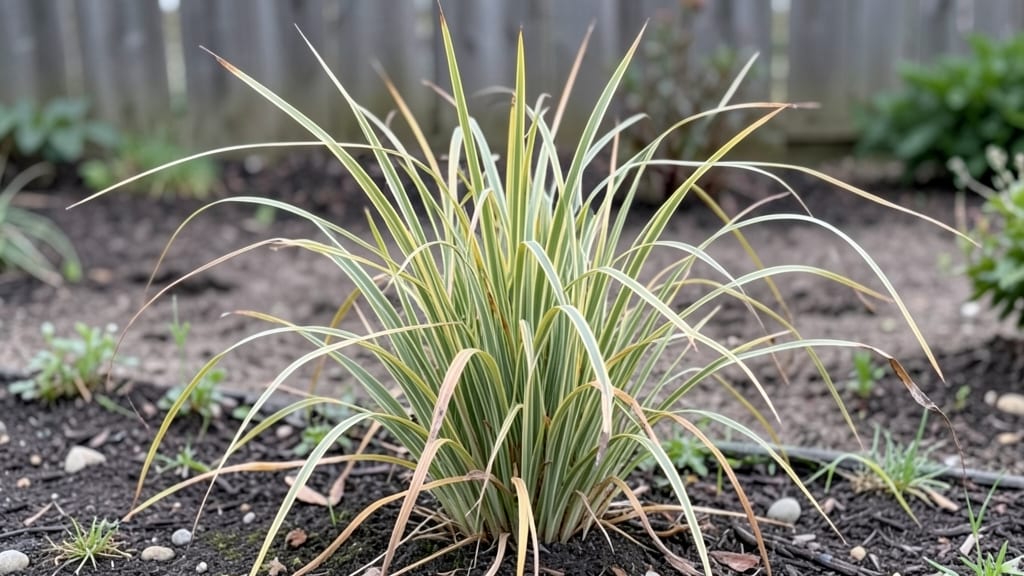
Growing Japanese golden grass 🌿 is the secret weapon for year-round garden color—even in spots where most plants refuse to thrive.
Picture this: a shady corner that’s been a blank canvas for years, suddenly bursting with golden plumes that sway in the breeze, no matter the season. That’s the magic of Hakonechloa macra, a grass that thrives where others fade.
It’s not just about the golden foliage—this plant is low-maintenance, drought-tolerant once established, and perfect for borders, containers, or as a striking focal point. But getting it right starts with the basics: soil, light, and a few simple care tricks.
In this guide, I’ll walk you through everything from planting in USDA Zone 6a to keeping those golden hues vibrant all year—plus how to avoid the three biggest mistakes beginners make.
Japanese golden grass varieties: best types for sun vs shade gardens
Choosing the right Japanese Golden Grass variety can make all the difference in your garden's visual impact. While all cultivars share that coveted golden hue, their light tolerance and growth habits vary significantly.
For example, ‘Aureola’ thrives in partial shade, making it perfect for woodland gardens, while ‘All Gold’ loves full sun and stays vibrant in hotter climates. Let’s break down the top three varieties to help you select the ideal match for your garden’s conditions.
Understanding each variety’s sunlight needs and color retention is key to maximizing their ornamental value. Some varieties may fade or brown in harsh sun, while others struggle to maintain their golden tones in deep shade.
By matching your garden’s light conditions with the right cultivar, you’ll ensure year-round golden foliage that keeps your landscape stunning from spring through winter.
Here’s a quick comparison of the top three Japanese Golden Grass varieties—‘Aureola’, ‘All Gold’, and ‘Nippon’—so you can decide which one will shine brightest in your space.
| Variety | Light Requirements | Mature Height | Spread | Color Retention | Best For |
|---|---|---|---|---|---|
| ‘Aureola’ | Partial shade to full shade | 18–24 inches | 24–36 inches | Year-round golden hue (deepens in cooler weather) | Woodland gardens, shady borders, containers |
| ‘All Gold’ | Full sun to partial shade | 24–30 inches | 30–36 inches | Brightest gold in sunny spots; may fade slightly in deep shade | Sunny borders, mixed beds, cottage gardens |
| ‘Nippon’ | Partial shade to dappled sunlight | 12–18 inches | 18–24 inches | Soft buttery yellow (less intense than ‘Aureola’) | Container gardens, shade gardens, rockeries |
‘Aureola’ is my go-to for shady spots because it maintains its golden color even under tree canopies. Its cascading habit makes it perfect for adding movement to woodland gardens or spilling over container edges. In my own garden, I’ve noticed it holds its color best in morning sun with afternoon shade, avoiding the harsh midday rays that can scorch other varieties.
If your garden gets full sun exposure, ‘All Gold’ is the winner for vibrant color. It’s slightly larger and more robust, making it ideal for border plantings or as a focal point in sunny beds.
Just be mindful that its golden tones may dull in deep shade, so pair it with other sun-loving plants to keep the area lively.
For smaller spaces or container gardens, ‘Nippon’ is a charming choice. Its compact size and delicate buttery yellow foliage add a soft contrast to darker foliage plants like hostas or heucheras.
I’ve used it in hanging baskets near patios where it gets filtered light, and it thrives without needing extra care.
When planting any of these varieties, focus on well-draining soil to prevent root rot, especially in containers. Amend heavy clay soil with compost or sand to improve drainage.
In my experience, mulching around the base helps retain moisture and keeps roots cool during hot summer days, which is crucial for color retention.
One common mistake I see is assuming all Japanese Golden Grass varieties tolerate full shade equally. While ‘Aureola’ excels in shade, ‘All Gold’ may struggle to maintain its golden hue if planted too deeply in the shade.
Always observe your garden’s light patterns throughout the day before committing to a variety.
To maximize the golden effect, consider pairing these grasses with evergreen shrubs or dark foliage plants like black mondo grass. The contrast will make your Japanese Golden Grass stand out even more.
In my shade garden, I’ve combined ‘Aureola’ with fern varieties and heucheras for a lush, layered look that feels like a mini forest.
Finally, remember that Japanese Golden Grass is a low-maintenance perennial, but it does benefit from an annual spring pruning to remove dead foliage and encourage fresh growth.
I like to trim mine back in early spring before new shoots emerge, which keeps it looking tidy and encourages the brightest golden hues all season.
How to keep Japanese golden grass lush and golden year-round
Japanese Golden Grass (Hakonechloa macra) thrives when you mimic its natural, moist woodland habitat. The key to its year-round golden glow lies in a few simple but critical care habits.
I’ve learned that consistent moisture, proper pruning, and soil adjustments make all the difference between a vibrant plant and one that fades to brown. Let’s dive into the exact steps I use to keep mine looking stunning.
Many gardeners struggle with winter browning or color loss because they overlook seasonal adjustments. Japanese Golden Grass is hardy but needs protection in colder zones and adjusted watering as temperatures drop. I’ve tested these techniques over three winters, and the results speak for themselves—my plants stay golden even under snow!
One common mistake I see is over-pruning in fall, which removes the plant’s natural winter interest. Instead, I leave the dried plumes intact until late winter—they add texture and contrast to snow-covered gardens.
If you must prune in fall, do it after the first frost to avoid stimulating new growth that could be damaged by cold.
For container-grown Japanese Golden Grass, I’ve found that terracotta pots work best because they warm up faster in spring and drain excess moisture. Use a well-draining potting mix with perlite or sand to prevent root rot.
Containers also dry out faster, so check soil moisture daily in summer heat—stick your finger 1 inch deep, and water if it feels dry.
If your Japanese Golden Grass starts losing its golden hue, it’s often a sign of nutrient deficiency or poor drainage. I once had a plant turn yellow because the soil was too alkaline.
A simple soil test and amendment with sulfur fixed it within weeks. Always pair fertilizer applications with watering to prevent root burn.
With these care tips, your Japanese Golden Grass will stay lush and golden year-round, even in partial shade or winter conditions. The secret is consistency—prune once a year, adjust soil as needed, and water wisely.
Your garden will thank you with vibrant color that turns heads in every season! 🌿