
Lawn
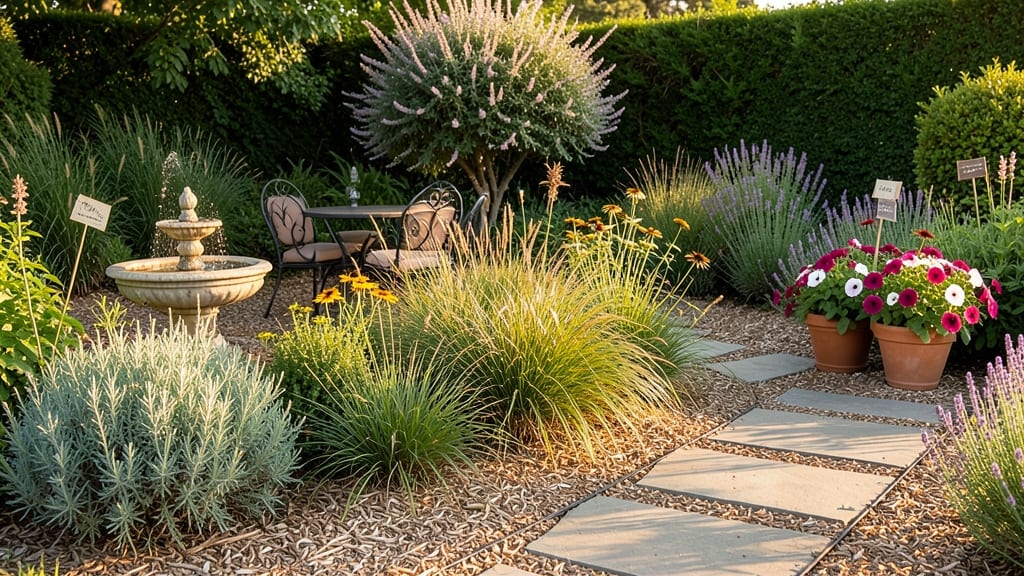
Your front lawn gardens pictures could be the envy of the neighborhood—year-round color that makes passersby stop and stare. 🌿 I transformed my patchy grass into a lush, ever-changing garden that blooms from spring tulips to winter pansies, and the best part?
It requires less work than mowing. The secret lies in layering perennials, shrubs, and seasonal annuals that fill every gap without needing constant attention.
Start with a simple layout: remove 50% of the grass (or less if you're nervous) and replace it with a mix of sun-loving perennials like coneflowers and black-eyed Susans, plus a few evergreen shrubs for structure.
Add mulch to keep weeds down, and suddenly, your lawn becomes a garden that thrives on its own. Most designs use 3-5 types of plants max—no complicated schemes needed.
By summer, you'll have a burst of color that draws compliments (and maybe even a few jealous neighbors). The key is choosing plants that bloom at different times, so there’s never a dull moment.
A well-planned front lawn garden also raises your home’s curb appeal—studies show it can add up to 10% to your property value—while cutting back on water and maintenance costs.
Whether you prefer a romantic cottage look, a clean modern border, or a water-wise xeriscape, the principles stay the same: layer plants by height, mix textures, and let nature do the heavy lifting.
Ready to ditch the dull grass for good? Here’s how to make it happen—without breaking a sweat.
📚 In This Guide
- What you need
- Instructions
- Tips and common mistakes
- Wrapping up and next steps
What you need
- ● Soil: 2–3 cubic yards of high-quality garden soil or a mix of topsoil and compost (check local suppliers for native soil blends).
- ● Mulch: 1–2 bags of organic mulch (cedar, pine, or dyed mulch for color) to retain moisture and suppress weeds.
- ● Plants: Perennials (for year-round color): 5–10 plants (e.g., coneflowers, black-eyed Susans, or daylilies).
- ● Annuals (for seasonal bursts): 3–5 plants (e.g., petunias, marigolds, or impatiens).
- ● Shrubs (for structure): 1–2 dwarf varieties (e.g., boxwood, hydrangeas, or abelia).
- ● Edging: Flexible landscape edging (10–20 ft, depending on garden size) or bricks/stones for a polished look.
- ● Basic tools: Garden shovel
- ● Hand trowel
- ● Pruning shears
- ● Rake (for leveling soil)
- ○ Optional (but helpful): Wheelbarrow (for hauling soil/mulch)
- ● Garden hose with spray nozzle
- ● Knee pads (for comfort!)
- ● String & stakes (to mark planting lines)
- ● Clear the area: Remove grass, weeds, or debris (use a sod cutter or manual digging if needed).
- ● Measure & plan: Sketch your design (use graph paper or a free app like SmartDraw).
- ● Check sunlight: Note which areas get full sun (6+ hours), partial shade (3–6 hours), or full shade (<3 hours).
- ○ Test soil (optional): A pH test kit (~$10) ensures your plants thrive—aim for 6.0–7.0 for most flowers.
How to design a stunning year-round front lawn garden
Transforming your front lawn into a vibrant garden isn't just about aesthetics—it's about creating a cohesive, low-maintenance space that thrives in every season.
🌱 Step 1: Assess Your Lawn's Sunlight and Soil
Start by mapping your lawn's sunlight patterns. Use a notebook to track which areas receive full sun (6+ hours daily), partial shade (3-6 hours), or full shade (less than 3 hours). I mark these zones with colored chalk—yellow for sun, blue for shade—for easy reference later. This ensures you'll place sun-loving perennials like coneflowers in the right spots while tucking shade-tolerant ferns in cooler areas.
Next, test your soil's pH and drainage. Dig a small hole and fill it with water—if it drains within an hour, you're good; if it pools, you'll need to amend with compost or sand. I like to use a simple pH test kit (available at garden centers) to check if my soil leans acidic or alkaline. Most flowering plants prefer a neutral pH of 6.0-7.0, so you may need to add lime to raise pH or sulfur to lower it.
☀️ Step 2: Plan Your Seasonal Color Layers
Design your garden in three distinct layers: spring bloomers (like daffodils or bleeding hearts), summer stars (such as black-eyed Susans or daylilies), and fall/winter interest (ornamental grasses or hellebores). I sketch a rough layout on graph paper, grouping plants by height—tall perennials (like Joe Pye weed) in the back, medium (like Russian sage) in the middle, and low-growing ground covers (like creeping thyme) in the front.
For year-round appeal, incorporate evergreens like boxwood or holly for structure, and add seasonal accents like spring bulbs (tulips, hyacinths) and fall foliage (maple or oak shrubs). Pro tip: Place taller plants toward the center of your design so they don’t block the view of shorter flowers from the street.
🪴 Step 3: Prepare the Soil and Plant With Precision
Remove existing grass by smothering it with cardboard or a thick layer of mulch for 4-6 weeks before planting. Once the grass is dead, loosen the soil with a garden fork to a depth of 12 inches, mixing in 2-3 inches of compost to improve fertility. For larger areas, rent a rototiller to speed up the process—just avoid over-tilling, which can damage soil structure.
Dig holes twice as wide as the root ball but only as deep as the container. Gently tease out any circling roots before placing the plant in the hole, then backfill with native soil, pressing lightly to eliminate air pockets. Water deeply to settle the soil around the roots. I always mulch with 2-3 inches of shredded bark, keeping it 2 inches away from plant stems to prevent rot.
✂️ Step 4: Maintain for Long-Term Beauty
Water newly planted perennials deeply 2-3 times per week for the first month, then taper to once weekly once established. Use a soaker hose to deliver moisture directly to the roots without wetting the foliage, which reduces fungal diseases. In hot climates, water in the early morning to minimize evaporation and late-season fungal issues.
Fertilize in early spring with a balanced 10-10-10 formula, followed by a low-nitrogen, high-phosphorus fertilizer in late summer to encourage blooming. Deadhead spent flowers regularly to prolong blooming and prevent self-seeding (unless you want more of that plant!). I also prune perennials in early spring before new growth appears, cutting back to 2-3 inches above the ground for most types.
🌿 Step 5: Add Finishing Touches for Curb Appeal
Frame your garden beds with low borders like boxwood hedges or ornamental grasses to create a polished look. Add mulch in seasonal colors—red mulch in fall, black in summer—to tie in with your home’s exterior. For extra impact, incorporate hardscaping elements like stepping stones, a small fountain, or a decorative gate to guide the eye and add texture.
Finally, light it up! Install solar-powered path lights along walkways and uplighting for focal plants like trees or shrubs. Warm lighting enhances evening ambiance, while cool tones highlight foliage. Test your garden at dusk to ensure the lighting enhances—not overpowers—the natural beauty of your plants.
Tips & tricks for creating a low-maintenance year-round garden
Here's what nobody tells you about keeping your garden vibrant without the constant upkeep.
Sunlight Mapping Shortcut: Use your phone's compass app to track sunlight exposure throughout the day. Stand in each zone at noon and 4 PM to verify your chalk markings. This eliminates guesswork when selecting perennials—place sun-lovers where they get at least 6 hours of direct light, even if your initial assessment missed afternoon sun patterns.
Soil Preparation Hack: For the 4-6 week grass removal process, layer cardboard with overlapping edges and cover with 4-6 inches of mulch. This smothers grass roots while breaking down into nutrient-rich material. I've found that adding a thin layer of nitrogen-rich compost on top speeds up decomposition—just keep it moist to prevent drying out.
Planting Precision Technique: When digging holes twice as wide as the root ball, use a garden trowel to create vertical "slits" in the sides of the hole. These channels encourage roots to spread outward immediately rather than circling, which prevents future root-bound issues. The 2-inch mulch clearance from stems is crucial—it prevents moisture buildup that causes rot.
Seasonal Maintenance Calendar: Mark your calendar for these key dates: early spring fertilization (right when daffodils bloom), late summer blooming fertilizer (after your first heatwave), and the first frost date (when to cut back perennials). I keep a small notebook with these dates year-to-year—it saves me from over-fertilizing or pruning too early.
Pro Tips for Front Lawn Gardens Pictures
- Here's what nobody tells you about keeping your garden vibrant without the constant upkeep.
- Sunlight Mapping Shortcut: Use your phone's compass app to track sunlight exposure throughout the day.
- Soil Preparation Hack: For the 4-6 week grass removal process, layer cardboard with overlapping edges and cover with 4-6 inches of mulch.
Frequently asked questions
Got questions about transforming your front lawn into a vibrant garden?
Here are some of the most common ones—and their practical answers to help you get started!
What’s the best time of year to plant a front lawn garden?
The ideal time depends on your climate! In mild zones (zones 7-10), plant in early spring or fall to avoid summer heat or winter frost. For cooler climates (zones 3-6), late spring (after the last frost) is best. Pro tip: Check your local frost dates and plant perennials 4-6 weeks before the first frost for root establishment.
How much does it cost to create a front lawn garden?
Costs vary widely based on size, materials, and whether you DIY or hire help. A small garden (10x10 ft) with basic plants and mulch can cost $50–$200. For a larger, high-end design (20x20 ft+) with hardscaping, expect $500–$2,000+. Budget hack: Start small with containers or native plants—they’re affordable and low-maintenance!
What are the easiest plants for a beginner-friendly front lawn garden?
Opt for low-maintenance, drought-tolerant plants that thrive in full sun (common in lawns). Top picks:
- Perennials: Coneflowers, black-eyed Susans, daylilies, and sedum (hardy and colorful).
- Ground covers: Creeping thyme or clover (reduces mowing!).
- Grasses: Ornamental grasses like fountain grass add texture with minimal care.
How do I prepare my lawn for a garden without killing the grass?
Use the "sod-cutting" method to transition gently:
- Mark your garden area and water the lawn well 2–3 days before.
- Cut squares of sod (use a spade or sod cutter) and flip them to expose soil.
- Remove the sod and amend the soil with compost (2–3 inches).
- Plant immediately or wait until spring/fall.
Will a front lawn garden attract pests like mosquitoes or rodents?
Not if you plan wisely! Mosquitoes thrive in stagnant water—ensure proper drainage. Rodents love dense ground covers, so space plants and avoid overwatering. Pest-proof tips:
- Use mosquito-repelling plants like citronella grass or marigolds.
- Keep mulch 2–3 inches deep (not piled high) to deter rodents.
- Add predator plants like catnip or lavender to deter pests naturally.
Wrapping up and next steps
Transforming your front lawn into a vibrant garden isn’t just about aesthetics—it’s about creating a welcoming space that reflects your personality and boosts your home’s curb appeal. From seasonal blooms to drought-resistant plants, the possibilities are endless, and the impact is immediate.
Whether you’re a seasoned gardener or just starting, every small step makes a big difference!
Ready to take the next step? Sketch a simple layout based on the ideas you love, gather your supplies, and start planting—or at least snap some inspiration photos for future reference! Your dream front lawn garden is closer than you think. 🌸✨