
Lawn
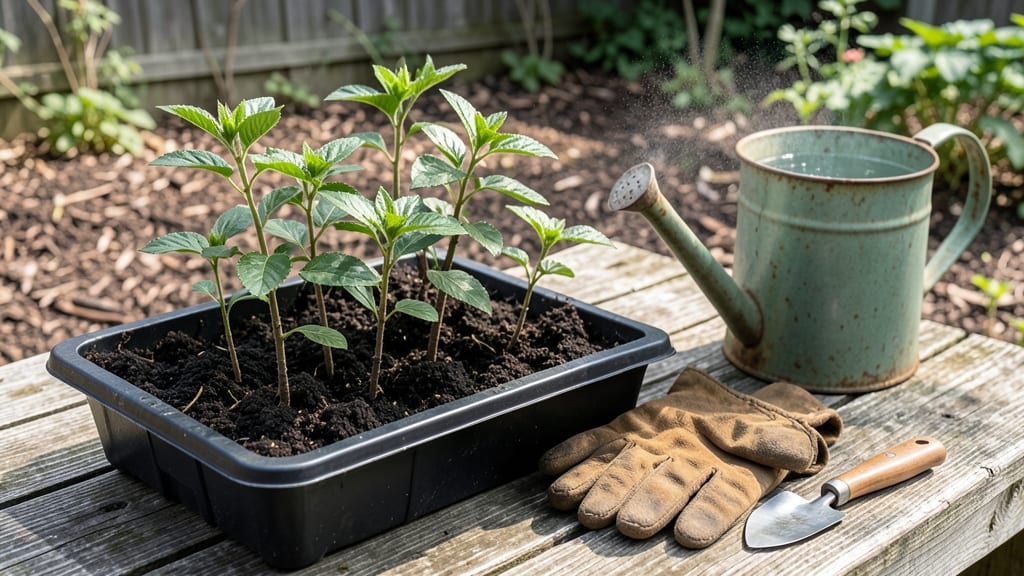
Planting Rose of Sharon seedlings in your lawn creates a cold-resistant hedge that blooms from summer to frost. 🌿 I’ve watched mine transform bare patches into lush, fragrant borders—no fancy nursery plants needed. The key lies in preparing soil, spacing right, and outsmarting grass competition before it starts.
Start with well-draining soil—amend heavy clay with compost—and space seedlings 6-8 feet apart for airflow. Water deeply twice weekly for the first month, then taper to once a week once roots establish.
Mulch with 2-3 inches of shredded bark to suppress weeds and retain moisture, but keep mulch away from stems to prevent rot.
By next spring, you’ll see vibrant purple-pink blooms that attract hummingbirds and last through fall. The shrubs handle winter down to zone 5, and their deep roots outcompete grass naturally. Just avoid overwatering—soggy soil is the #1 killer of young seedlings.
For long-term success, prune lightly in late winter to shape the hedge, and fertilize once in early spring with balanced 10-10-10. Within 2-3 years, your lawn will have a thriving, low-maintenance border that outshines any turf patch.
📚 In This Guide
- What you need
- Instructions
- Tips and common mistakes
- Wrapping up and next steps
What you need
- ● Rose of Sharon seedlings: 3–5 healthy, bare-root or potted plants (depending on hedge size goals). Choose cold-hardy varieties like Hibiscus syriacus.
- ● Shovel or trowel: A 6-inch garden trowel for planting or a heavy-duty shovel for larger holes (12–18 inches deep).
- ● Compost or well-aged manure: 1–2 gallons per plant to enrich soil.
- ● Organic mulch: 2–3 inches of pine straw, wood chips, or shredded leaves to retain moisture and regulate temperature.
- ● Garden hose with spray nozzle: For gentle watering (avoid overhead sprinklers to prevent fungal issues).
- ● Pruning shears: Bypass pruners (sharp and clean) for shaping and post-planting trimming.
- ● Gloves & knee pads: Protect your hands and joints during planting!
- ● Soil test kit: Check pH (ideal range: 6.0–7.0) and amend if needed (e.g., lime for acidic soil).
- ● Slow-release fertilizer: 10-10-10 or 5-10-10 (1 tbsp per plant at planting).
- ● Epsom salt: 1 tbsp dissolved in water for magnesium boost (especially for clay soil).
- ● Plant stakes or trellis: For young seedlings in windy areas (3–4 ft tall).
- ● Drip irrigation system: Automates watering for consistent moisture.
- ● Fungicide (preventative): Copper-based spray if your area has high humidity or fungal risks.
Step-by-Step guide to planting Rose of Sharon seedlings for cold-resistant hedges
Here's how to establish a hardy, low-maintenance hedge that blooms reliably through frost and heat.
🌱 Step 1: Select and Prepare Planting Sites
Choose a location with full sun to partial shade—Rose of Sharon tolerates both but thrives best with at least 4-6 hours of direct sunlight daily. Test your soil's drainage by digging a 12-inch deep hole; if water pools after 30 minutes, amend with 2-3 inches of compost to improve aeration.
Space seedlings 4-6 feet apart in rows 6-8 feet apart to allow mature canes room to develop. I always mark planting spots with wooden stakes to avoid crowding, which leads to weak, disease-prone growth. The hedge will fill in beautifully over 3-5 years, but proper spacing now prevents future pruning headaches.
🪴 Step 2: Dig and Plant with Proper Technique
Dig holes twice as wide as the root ball but no deeper than the container's depth. Gently remove the seedling from its pot and loosen any circling roots with your fingers—this encourages outward growth instead of girdling. Place the seedling in the hole so the top of the root ball sits 1 inch above ground level.
Backfill with native soil mixed with 1 part compost to improve fertility. Press firmly around the base to eliminate air pockets, then water deeply until moisture reaches 6-8 inches down. I like to use a garden hose on a gentle setting to avoid disturbing the soil surface. Mulch with 2-3 inches of shredded bark to retain moisture and suppress weeds.
☀️ Step 3: Water and Fertilize for Establishment
Keep the soil consistently moist for the first 4-6 weeks—water when the top 2-3 inches feel dry. Overwatering now causes root rot, but underwatering stresses seedlings. I set a reminder to check every 2-3 days in hot weather, adjusting for rain. Avoid wetting the foliage to prevent fungal diseases like powdery mildew.
Apply a balanced 10-10-10 fertilizer at half-strength 4-6 weeks after planting to encourage root development. Follow up with a second application in early spring before new growth begins. Rose of Sharon is drought-tolerant once established, but young plants need consistent care to build strong canes.
✂️ Step 4: Prune for Shape and Bloom Control
Prune immediately after planting to remove any broken or damaged branches. For hedges, I use hand pruners to trim back 1/3 of the current season's growth in late winter or early spring. This encourages bushier growth and more abundant blooms. Avoid heavy pruning in fall—it stimulates tender new growth that won't survive winter.
Shape the hedge by pruning just above a bud facing outward. I always step back to check symmetry every few cuts. Rose of Sharon blooms on new wood, so pruning in late winter won't reduce flowers—it actually increases them. Wear gloves; the thorns are sharp and the sap can irritate skin.
⏰ Step 5: Winterize and Maintain Year-Round
Mulch heavily in late fall with 4-6 inches of shredded leaves or straw to insulate roots from freeze-thaw cycles. Rose of Sharon is cold-hardy (USDA Zones 5-9), but young plants benefit from extra protection. Remove mulch in early spring before new growth appears to prevent rot.
Monitor for pests like Japanese beetles or spider mites—spray with neem oil if needed. I check plants weekly during bloom season. Fertilize lightly in early summer with a low-nitrogen formula (5-10-10) to support flowering. With proper care, your hedge will establish quickly and provide 3-4 weeks of vibrant blooms each summer.
Tips & tricks for perfect Rose of Sharon hedges
These practical insights will help you establish a thriving, low-maintenance hedge that withstands seasonal extremes.
Sunlight Strategy: While Rose of Sharon tolerates partial shade, I've found that positioning seedlings along the southern or southwestern edge of your lawn ensures they receive the 4-6 hours of direct sunlight they need to bloom abundantly. If your yard has afternoon shade, plant them slightly closer to the sunniest area—even an extra hour of morning sun makes a noticeable difference in flower production. The key is balancing sunlight with protection from harsh afternoon rays in hotter climates.
Root Ball Preparation: When loosening circling roots in Step 2, I recommend using a small garden fork rather than your fingers for stubborn roots—this prevents damage to the delicate root tips while ensuring proper outward growth. The goal is to tease apart roots gently without tearing them. If you notice any damaged roots during this process, simply trim them with clean pruners; healthy roots will compensate. Remember, the root ball should sit 1 inch above ground level—this prevents waterlogging during heavy rains.
Watering Wisdom: Those first 4-6 weeks are critical for root establishment, but I've learned the hard way that consistency matters more than volume. Instead of trying to soak the entire root zone at once, I use a gentle watering can to keep the top 2-3 inches consistently moist. This encourages roots to spread horizontally rather than growing deep in search of water. In extreme heat, I water twice daily—once in early morning and once in late afternoon—to prevent wilting while avoiding fungal issues from evening moisture.
Pruning Precision: When shaping your hedge in Step 4, I've developed a simple trick: always prune just above a leaf bud that faces outward. This creates a natural, fuller growth pattern. For the initial shaping, I make cuts at a 45-degree angle about 1/4 inch above the bud. This technique not only improves appearance but also encourages new growth from the correct direction. And remember—those thorns are serious! I keep a pair of heavy-duty gardening gloves handy and always prune on a clear day when the plants are dry to minimize sap irritation.
Pro Tips for Rose Of Sharon Seedlings In Lawn
- These practical insights will help you establish a thriving, low-maintenance hedge that withstands seasonal extremes.
- If your yard has afternoon shade, plant them slightly closer to the sunniest area—even an extra hour of morning sun makes a noticeable difference in flower production.
- The goal is to tease apart roots gently without tearing them.
Frequently asked questions
Can Rose of Sharon seedlings survive in full sun or partial shade?
Rose of Sharon (Hibiscus syriacus) is incredibly adaptable! While it thrives in full sun (6+ hours/day), it tolerates partial shade—especially in hotter climates. For best blooms, aim for at least 4–6 hours of sunlight. If planting in shady lawns, expect fewer flowers but robust growth. Pro tip: Monitor leaves for yellowing, which may signal too much shade.
How long does it take for Rose of Sharon seedlings to establish and bloom?
Seedlings typically take 1–2 years to establish before blooming, but established plants (transplanted) may flower the first year if planted in spring. Patience pays off! Prune lightly in early spring to encourage bushier growth and more abundant blooms. Fun fact: Some varieties, like ‘Oiseau Bleu,’ bloom profusely even in their second year.
Are there alternatives to Rose of Sharon if my lawn has poor drainage?
If your lawn struggles with waterlogged soil, consider these drought-tolerant hedges:
While resilient, seedlings may face:
Not usually! These plants are USDA zones 4–9 hardy and handle winter well. However, in extreme cold (< -20°F), young seedlings may benefit from a thick mulch layer (3–4 inches) around the base. Avoid wrapping plants, as they need airflow to prevent rot. Bonus: Their bare stems in winter add rustic charm!
Pro tip: Amend heavy clay soil with compost to improve drainage before planting.
What pests or diseases should I watch for in Rose of Sharon seedlings?
Preventative tip: Space seedlings 3–5 feet apart to reduce humidity-related issues.
Do Rose of Sharon seedlings need winter protection in cold climates?
Wrapping up and next steps
Adding Rose of Sharon seedlings to your lawn is a fantastic way to create a low-maintenance, cold-hardy hedge that blooms beautifully year after year! 🌸 These resilient plants not only enhance your outdoor space but also attract pollinators and provide seasonal interest.
Now that you’re equipped with the know-how, it’s time to roll up your sleeves and transform your yard into a vibrant oasis.
Ready to get started? Pick a sunny spot, gather your supplies, and plant your seedlings with confidence! Whether you’re a seasoned gardener or just beginning, every small step brings you closer to a stunning, thriving lawn. Happy planting! 🌱