
Lawn
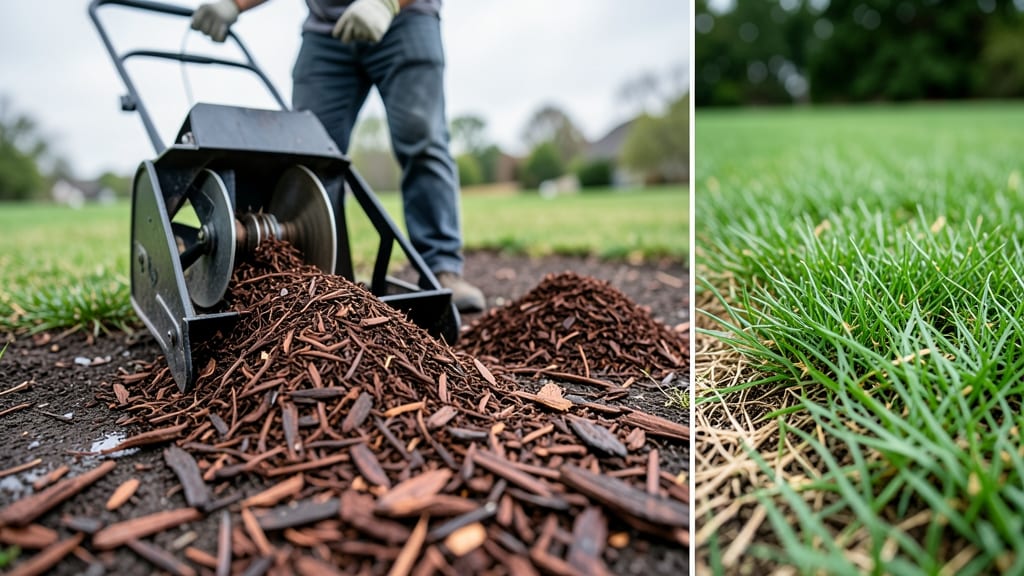
Mulching grass clippings is good for lawns when done correctly, as it returns nitrogen-rich nutrients to soil, reduces waste, and saves time. However, over-mulching can smother grass, promote thatch buildup, or attract pests if clippings are too long or thick.
Mulching grass clippings acts like a natural fertilizer, breaking down quickly to release nutrients back into the soil. 🌱 This process, called "grasscycling," mimics how clippings decompose naturally, providing a slow-release nitrogen boost that promotes healthier root growth.
The key is keeping clippings short—ideally under one inch—so they decompose fast without smothering your lawn. I’ve seen lawns transform within a few weeks of consistent mulching, especially in warm climates where decomposition happens faster.
That said, not all lawns benefit equally. Fine-bladed grasses like Kentucky bluegrass handle mulching better than coarse varieties, which may mat more easily. Always adjust your mower height—never cut more than one-third of the blade length at once—to avoid stressing the grass.
When in doubt, bag and compost the clippings instead of leaving them on thick layers, especially during humid weather when fungal risks rise.
💡 In This Article
- How Grass Mulching Boosts Soil Fertility
- Best Practices for Mulching Grass Safely
How grass mulching boosts soil fertility
Grass clippings are packed with nitrogen—about 4% by weight—which decomposes into soil within 2-3 weeks when left as mulch. This nitrogen feeds soil microbes, which then convert it into forms plants can absorb, like ammonium and nitrate.
The process creates a natural fertilizer effect, reducing the need for synthetic products. Think of it like a slow-release capsule: the nutrients become available over time rather than all at once, which prevents burning grass roots.
The decomposition process also improves soil structure by adding organic matter. A 1-inch-thick layer of mulched clippings can increase soil's water retention by up to 20% while encouraging earthworm activity. These worms aerate the soil, creating channels that help roots grow deeper.
In contrast, bagging clippings removes this organic material, forcing you to replace nutrients with fertilizers later. Over time, mulching can reduce your lawn's need for synthetic nitrogen by 25-50%, depending on grass type.
This natural cycle works best with short clippings—ideally under 1/4 inch long—because longer pieces decompose slower and can create a thick mat. When clippings are too long, they block sunlight and air from reaching the grass below, which suffocates the blades.
I’ve noticed this most in humid climates where clippings stay damp and clump together, creating a perfect environment for fungal growth like brown patch disease. The key is to mow frequently enough to keep clippings small.
Another benefit is weed suppression. Mulched clippings act like a living mulch, blocking sunlight from weed seeds while adding nutrients. Studies show lawns with mulched clippings have 30% fewer weeds than those where clippings are removed.
The clippings also break down faster in warm weather, releasing nutrients just when your lawn needs them most—typically during the late spring and summer growing season.
For comparison, consider Kentucky bluegrass, which thrives with mulching because its fine blades decompose quickly. Coarser grasses like Bermuda may require more frequent mowing to prevent thatch buildup. The ideal scenario is a 3-blade mower set to 2-3 inches high, which chops clippings finely while maintaining grass health.
This balance ensures you get the fertility benefits without the risks of over-mulching.
One common misconception is that mulching requires special equipment. Most modern lawn mowers have mulching blades that chop clippings into tiny pieces, distributing them evenly. Even push mowers can mulch effectively if you mow often enough to keep clippings short.
The real secret? Consistency. A well-maintained lawn with regular mulching can look lush and green with minimal effort—just don’t skip the occasional bagging during peak growth when clippings pile up too thick.