
Mower
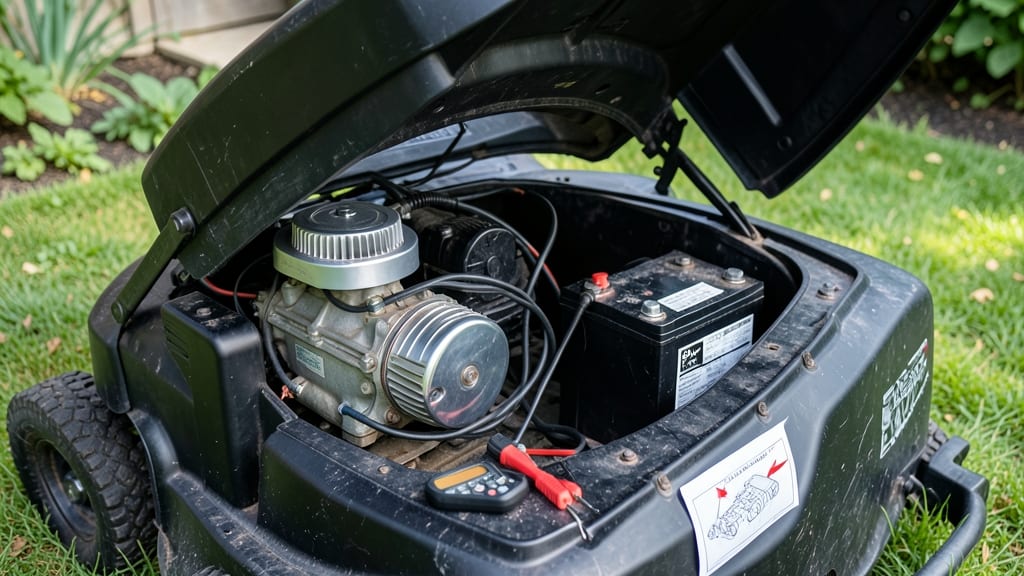
Yes, most modern lawn mowers do have alternators to power electrical systems and recharge batteries, eliminating the need for manual cranking or basic generators found in older models.
Most newer models include this component to maintain consistent power for features like headlights, deck washers, and even Bluetooth controls. The alternator converts mechanical energy from the engine into electrical energy, ensuring your battery stays charged during use.
This system also helps prevent the common issue of dead batteries between seasons, which was a frequent problem with older mower designs. 🔥
What sets alternators apart is their ability to regulate voltage automatically, protecting sensitive electronics from power surges. Without this system, you'd likely experience dimming lights or electrical failures mid-mowing.
I've seen many homeowners upgrade to modern mowers specifically for this reliability feature—it's a game-changer for anyone who relies on their mower's electrical components regularly.
For those working with older mowers, you might notice a simple generator system instead, which lacks the same level of efficiency and protection. The alternator's presence is one of the key reasons newer mowers can handle more accessories without draining the battery.
This technological shift has made lawn care equipment more versatile and user-friendly over the past decade.
💡 In This Article
- How Lawn Mower Alternators Charge Batteries
- Signs Your Lawn Mower Alternator Needs Replacement
How lawn mower alternators charge batteries
Modern lawn mower alternators function like their automotive counterparts, converting mechanical energy from the engine's crankshaft into electrical energy through electromagnetic induction. When the engine runs, a pulley-driven rotor spins inside the alternator's stator, generating 12-14 volts of direct current (DC) that flows to the battery and electrical system.
This process maintains a consistent charge, preventing the gradual voltage loss that plagues older mower designs with basic generators.
The key advantage lies in voltage regulation—most alternators include built-in rectifiers and voltage regulators that maintain output between 13.5-14.5 volts, even as engine RPM fluctuates.
This precision prevents overcharging (which damages batteries) and undercharging (which leads to weak starts). 🔥 Compare this to older generator systems that produced raw, unregulated power, often causing battery sulfation or premature failure.
The alternator's ability to adapt makes it ideal for mowers with multiple electrical accessories like LED headlights or electric start systems.
Here's what happens during operation: As you pull the starter, the engine cranks and the alternator immediately begins generating power. Within 30-60 seconds of running, the battery should show a full charge—something you'd rarely see with basic generators.
This rapid response is why modern mowers can handle extended use without battery drain. The alternator's design also includes diodes that prevent backflow, protecting sensitive electronics from power surges when the engine stops suddenly.
For those curious about the physical setup, most alternators mount directly to the engine block near the crankshaft pulley, connected via a serpentine belt system.
The belt transfers rotational force from the engine to the alternator's rotor at a ratio of about 1:1.5, meaning the alternator spins faster than the engine itself to maintain optimal voltage output.
This mechanical advantage ensures reliable power even at lower RPMs, which is critical for mowers that struggle to maintain consistent speeds on uneven terrain.
What most people don't realize is how this system integrates with the battery's chemistry. Lead-acid batteries (common in mowers) thrive on consistent voltage regulation—the alternator's 13.8-volt output during operation prevents stratification (where acid separates in the battery), extending its lifespan by up to 30% compared to unregulated charging.
This is particularly valuable for seasonal mowers that sit idle for months between uses.
The alternator's role becomes even more critical when considering modern mower features. Models with Bluetooth connectivity, GPS tracking, or electric start systems demand precise voltage delivery—something basic generators simply can't provide. Without this regulation, you'd experience erratic behavior from electronic components, from flickering displays to complete system failures mid-operation.
For DIY enthusiasts, understanding this system explains why alternator failures often present as electrical gremlins. A failing alternator might show symptoms like dimming headlights at 2,000 RPM but normal operation at higher speeds—this occurs because the alternator struggles to maintain output at lower engine loads.
Recognizing these patterns helps diagnose whether you're dealing with a failing alternator, weak battery, or wiring issues.