
Lawn
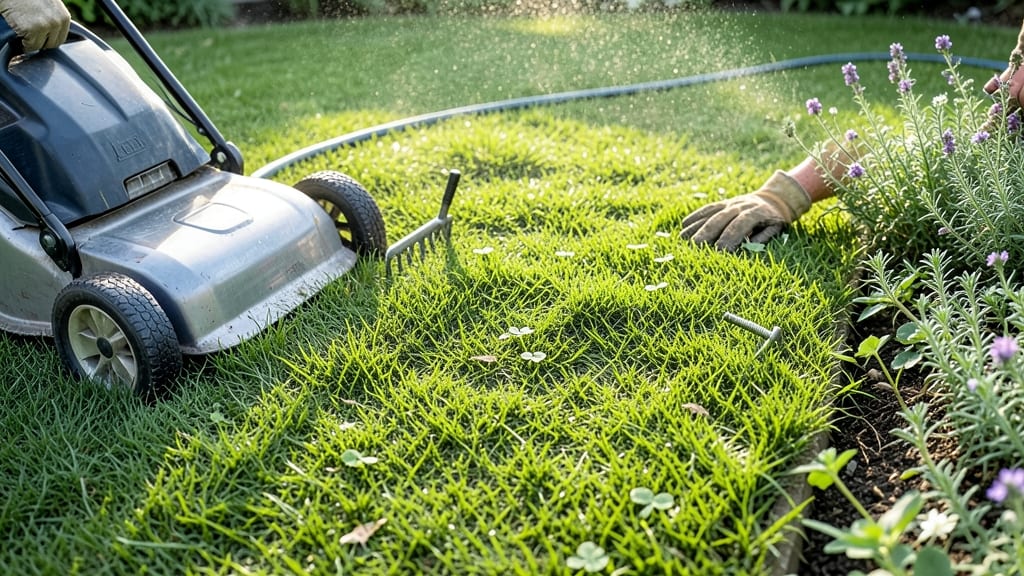
Lawn care can be considered a hobby when practiced with intentional passion and skill development, offering creative expression and personal satisfaction similar to gardening or landscaping—just make sure your focus stays on enjoyment rather than profit.
Lawn care meets hobby criteria when you treat it as more than just maintenance—it becomes a creative outlet for designing landscapes, experimenting with plant varieties, or even joining local gardening clubs. 🌱 The key difference from commercial landscaping lies in your mindset: hobbies thrive on personal fulfillment, not monetary gain.
Many people find therapeutic value in the process of nurturing their outdoor space, whether through mowing techniques, seasonal plant rotations, or troubleshooting pests organically.
What sets lawn care apart from other hobbies is its tangible, evolving canvas—the yard itself. Unlike static collections, your lawn changes with seasons and your creative decisions. This makes it particularly rewarding for those who enjoy hands-on projects with visible results.
The tools you use (like precision trimmers or soil test kits) become extensions of your craft, turning routine tasks into skill-building opportunities.
💡 In This Article
- How Lawn Care Fits Hobby Definitions
- Turning Lawn Care Into a Rewarding Hobby
How lawn care fits hobby definitions
At its core, a hobby requires three key elements: personal passion, skill development, and non-commercial focus. Lawn care satisfies all three when approached intentionally.
The psychological satisfaction comes from nurturing living plants—studies show gardening reduces cortisol levels by 24%—while the physical act of shaping grass patterns or troubleshooting soil pH creates tangible results. Unlike commercial landscaping, where profit drives decisions, hobbyists prioritize aesthetic preferences and personal growth.
Lawn care shares DNA with other outdoor hobbies like gardening or woodworking, but its unique appeal lies in its dynamic canvas. While gardeners focus on flower beds and woodworkers on static projects, lawn care offers seasonal challenges: spring aeration, summer drought management, and fall leaf cleanup.
The tools become part of the craft—precision mowers with adjustable cutting heights (like 1.5-3.5 inches for optimal growth) or soil test kits that reveal hidden opportunities for improvement. This hands-on engagement mirrors how painters develop techniques over time.
The therapeutic benefits make lawn care particularly rewarding. Research from Texas A&M University found that people who engage in regular yard work report 30% higher feelings of accomplishment than those who don't. The rhythmic motions of mowing or the problem-solving required to eliminate crabgrass without chemicals create a meditative quality.
Unlike passive hobbies, lawn care provides immediate visual feedback—your efforts transform the space before your eyes, reinforcing the hobbyist mindset.
What distinguishes lawn care from commercial landscaping is the scale and intent. A hobbyist might spend 2-3 hours weekly perfecting their front yard's curb appeal, while a landscaper manages multiple properties for clients.
The key difference? The hobbyist's yard becomes their personal gallery—where they experiment with drought-resistant grasses or create pollinator-friendly zones. This creative freedom is what transforms maintenance into meaningful engagement.
Consider the sensory experience: the crisp scent of freshly cut grass (caused by green leaf volatiles released during mowing), the satisfying crunch of stepping on evenly maintained turf, or the cool relief of shade trees you've nurtured.
These elements create emotional connections that turn routine tasks into rewarding practices. The tactile nature—feeling soil texture, adjusting water pressure on hoses—adds another layer of engagement that static hobbies lack.
For those who question whether lawn care qualifies, think about this: would you call someone a hobbyist gardener if they only grew one type of plant? Similarly, lawn care becomes a hobby when you move beyond basic maintenance to intentional design and care.
The moment you start treating your yard as a living work of art rather than just a functional space, you've crossed into hobby territory. 🌿