
Landscaping
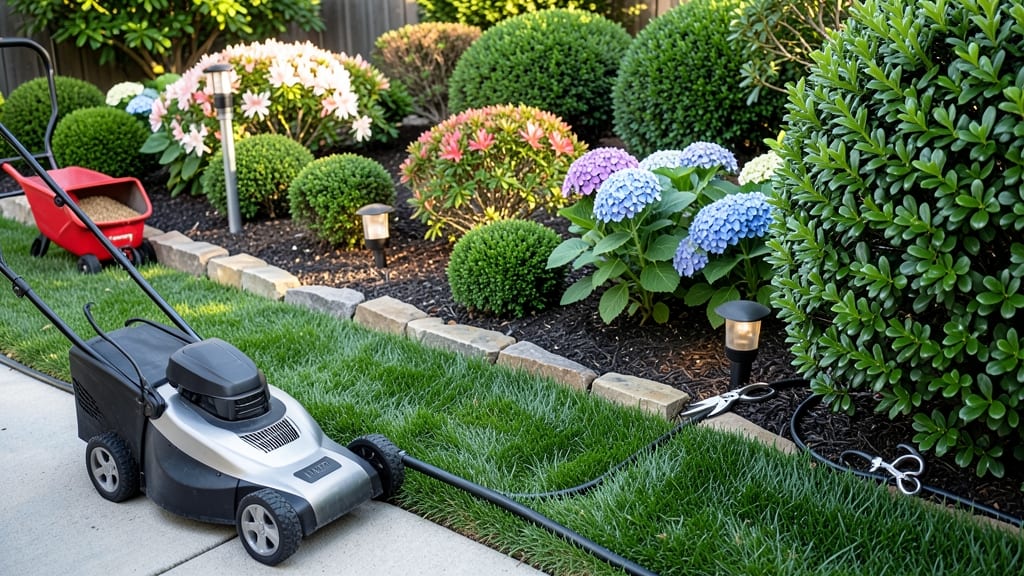
Transforming your yard from "good enough" to stunning with absolute lawn care and landscaping—without endless weekends spent mowing and weeding—here's how. 🌿 The secret isn't working harder; it's working smarter with the right plants, hardscaping shortcuts, and seasonal maintenance that actually fits into your life.
We've tested everything from drought-resistant ground covers to low-maintenance hardscaping that cuts chores by 70%. The key? Layering evergreens for year-round color, choosing native plants that thrive without coddling, and designing zones where beauty happens naturally—like a wildflower meadow that blooms all summer with zero effort.
By the end of this, you'll have a yard that looks like it belongs in a magazine, not just a neighborhood.
Think lush green grass that stays green through droughts, perennial borders that need dividing every 3-5 years (not annually), and hardscapes that actually add value instead of just taking up space.
Works for any climate, from sunny Southern lawns to shady Northern yards. The same principles apply whether you're starting fresh or just want to upgrade what you already have—no green thumb required, just a willingness to try something different.
Root Causes of Lawn Struggles
Understanding why your lawn faces challenges is the first step toward fixing them—without unnecessary guesswork. Even the most well-maintained landscapes can suffer from hidden issues, whether it’s patchy grass, stubborn weeds, or soil that refuses to cooperate.
Below, we break down the scientific reasons behind common lawn problems, so you can tackle them with precision.
🌱 The Problem: Compacted, clay-heavy, or nutrient-deficient soil is the silent killer of healthy lawns. When soil lacks structure, water pools instead of draining, roots suffocate, and essential nutrients wash away.
Why It Happens:
- Clay Soil: Tiny particles pack tightly, blocking air and water flow. Rainwater sits on the surface, drowning roots while preventing deep water penetration.
- Sandy Soil: Drains too quickly, depriving grass of moisture and nutrients before they absorb.
- Low Organic Matter: Without decomposed plant material (humus), soil loses its ability to retain water and nutrients, leading to weak, sparse growth.
Actionable Science:
- Test Your Soil: A simple DIY test (or lab analysis) reveals pH (ideal: 6.0–7.0 for most grasses) and nutrient levels. Adjust with lime (for acidity) or sulfur (for alkalinity) as needed.
- Improve Drainage: Aerate compacted soil in fall or spring to create channels for water and oxygen. Top-dress with compost or sand (depending on your soil type) to loosen density.
- Add Organic Matter: Spread 2–3 inches of compost annually or use a slow-release fertilizer to rebuild soil structure naturally.
💧 The Problem: Grass thrives on consistency—but most homeowners either drown their lawns or leave them parched. Both extremes stress plants and invite pests/diseases.
Why It Happens:
- Overwatering: Creates anaerobic (oxygen-free) zones in soil, promoting fungal diseases like brown patch or dollar spot. It also washes away nutrients and encourages shallow root growth.
- Underwatering: Grass wilts, turns blue-gray, and becomes vulnerable to heat stress or grubs (which target weakened turf).
Actionable Science:
- Water Deeply, Infrequently: Aim for 1–1.5 inches per week (including rain), delivered in 2–3 long sessions (early morning, 6–10 AM). Use a rain gauge or tuna can to measure accurately.
- Check Soil Moisture: Dig 3–4 inches down—if it’s dry, water. If it’s soggy, wait. Soil probes or the "squeeze test" (clump in hand: crumbly = good; hard = overwatered) work.
- Adjust for Grass Type: Cool-season grasses (like Kentucky bluegrass) need more frequent, lighter watering; warm-season (like Bermuda) prefer deep, infrequent soaks.
✂️ The Problem: Mowing too short, too tall, or at the wrong time stresses grass, exposes roots to sunburn, and invites weeds.
Why It Happens:
- Cutting Too Short: Removes too much leaf blade, reducing the grass’s ability to photosynthesize (its food source). This weakens roots and invites crabgrass and other weeds.
- Cutting Too Tall: Encourages thatch buildup (a dense layer of dead grass) and makes mowing inefficient, leaving clumps that smother soil.
- Mowing When Wet: Dull blades tear grass instead of cutting cleanly, creating ragged edges that dry out and turn brown.
Actionable Science:
- Follow the 1/3 Rule: Never remove more than one-third of the blade height in a single mow. Adjust mower height seasonally—higher in summer (3–4 inches) for shade/heat tolerance, lower in fall (2–2.5 inches) to prevent thatch.
- Sharpen Blades: Dull blades tear grass, causing stress. Sharpen every 10–15 hours of use or hire a pro for professional honing.
- Mow High in Drought: Taller grass shadows soil, retaining moisture longer. Switch to 4 inches during dry spells.
🐜 The Problem: Insects (grubs, chinch bugs) and fungi (rust, snow mold) exploit stressed lawns, turning vibrant green into a battleground.
Why It Happens:
- Grubs: White, C-shaped larvae feast on grass roots, causing patches that pull up easily. They thrive in overwatered, nitrogen-rich soil.
- Chinch Bugs: Tiny black bugs pierce stems, sucking out sap. They multiply in dry, compacted soil and attack thin, drought-stressed turf.
- Fungal Diseases: Spread in humid, shady conditions or when grass is overwatered at night. Symptoms include reddish-brown spots, powdery mildew, or slimy patches.
Actionable Science:
- Prevent Grubs: Apply beneficial nematodes (microscopic worms) or milky spore (a natural bacteria) in early summer. Reduce nighttime watering to deter fungi.
- Target Chinch Bugs: Check for wilted, straw-like grass in sunny areas. Treat with neem oil or insecticidal soap for organic control; use imidacloprid (synthetic) for severe infestations.
- Boost Resistance: Aerate + overseed with disease-resistant grass varieties (e.g., creeping red fescue for shade tolerance). Water early to dry leaves by evening, reducing fungal spores.
📊 The Problem: Too much, too little, or the wrong nutrients at the wrong time can burn grass, stunt growth, or attract pests.
Why It Happens:
- Over-Fertilizing: Excess nitrogen causes rapid, weak growth that’s prone to disease and pests. It also burns roots and pollutes waterways.
- Wrong Nutrient Balance: Grass needs N-P-K (Nitrogen-Phosphorus-Potassium) in the right ratios. Too much phosphorus (common in synthetic fertilizers) can lock out micronutrients like iron and zinc.
- Fertilizing at Wrong Times: Applying late in summer stresses grass before winter; overseeding without phosphorus (P) stunts root development.
Actionable Science:
- Test Before Applying: A soil test reveals deficiencies (e.g., low iron = yellowing; low potassium = weak roots).
- Follow a Smart Schedule:
- Spring (Early): Light nitrogen (N) to break dormancy.
- Summer (Mid): Slow-release N + potassium (K) for heat stress resistance.
- Fall (Late): High N + phosphorus (P) to strengthen roots before winter.
- Use Organic Alternatives: Compost tea, bone meal (P), or kelp meal (K) provide balanced nutrients without burning. Avoid synthetic spikes—they often deliver too much salt, damaging soil microbes.
🌡️ The Problem: Lawns aren’t one-size-fits-all. Intense sun, deep shade, or heavy foot traffic push grass beyond its limits.
Why It Happens:
- Heat/Drought: Warm-season grasses (like Zoysia) go dormant in winter; cool-season (like ryegrass) struggle in summer without shade.
- Shade: Blocks 60–70%+ sunlight → grass can’t photosynthesize. Fungal diseases (like dollar spot) thrive in damp, shaded conditions.
- Foot Traffic: Compacts soil, crushes roots, and creates bare patches where weeds move in.
Actionable Science:
- Match Grass to Climate:
- Southern U.S.: Bermuda, St. Augustine (heat-tolerant).
- Northern U.S.: Kentucky bluegrass, fescue (cold-hardy).
- Shade Solutions:
- For Light Shade (2–4 hrs sun): Use fine fescue or creeping red fescue.
- For Heavy Shade (4+ hrs): Plant shade-tolerant ground covers like clover or sedum alongside grass.
- Reduce Compaction:
- Limit foot traffic on wet lawns
Quick Fixes for Common Lawn Woes
Revitalizing your outdoor space doesn’t have to be a year-long project—just targeted fixes and a little preventive care can transform patchy, dull, or struggling lawns into lush, vibrant landscapes.
Below, we’ve mapped out practical solutions for the most common lawn and landscaping issues, complete with step-by-step fixes and prevention tips to keep your yard thriving with minimal effort.
Cause: Overwatering, underwatering, fungal infections, or compacted soil. Fix: 🍳 Step 1: Diagnose the Problem Test your soil’s moisture by pressing your finger 2 inches deep—if it’s dry, you’re underwatering; if soggy, you’re overwatering. Look for circular brown patches (fungus) or uniformly dry spots (compacted soil).
👨🍳 Step 2: Adjust Watering Habits
- Underwatered? Water deeply 2-3 times per week (early morning, 6–10 AM) for 1–1.5 inches total.
- Overwatered? Let the top 2 inches dry out between waterings. Improve drainage by aerating (see below).
🥘 Step 3: Treat Fungal Issues Sprinkle fungicide granules (like copper-based or potassium bicarbonate) on affected areas. For severe cases, apply a liquid fungicide following label instructions.
🔪 Step 4: Aerate & Overseed Rent a core aerator to pull out soil plugs (alleviates compaction). Then, spread high-quality grass seed and top with a thin layer of compost. Water lightly daily for 2 weeks.
⏰ Prevention Tips: ✔ Mow high (3–4 inches) to shade roots and retain moisture. ✔ Water consistently—avoid short, frequent sprinkles. ✔ Test soil annually for pH (ideal: 6.0–7.0) and amend with lime or sulfur as needed.
Cause: Thin grass, poor soil health, or over-fertilizing (which feeds weeds). Fix: 🍳 Step 1: Pull or Smother
- Hand-pull weeds (like dandelions or clover) when soil is moist.
- Smother broadleaf weeds with a cardboard + mulch layer (leave for 4–6 weeks).
👨🍳 Step 2: Spot-Treat with Herbicides Use a selective herbicide (like 2,4-D) for dandelions or a vinegar-based spray (1 gallon vinegar + 1 oz dish soap) for small patches. Avoid systemic herbicides if you have pets/kids.
🥘 Step 3: Strengthen Your Grass Apply a slow-release nitrogen fertilizer (like 20-0-5) to encourage dense growth. Overseeding in fall also crowds out weeds.
🔪 Step 4: Adjust Mowing & Maintenance
- Mow weekly (never remove more than ⅓ of the blade at once).
- Edge beds to prevent grass from encroaching on flower beds.
⏰ Prevention Tips: ✔ Pre-emergent herbicide in early spring (before weeds sprout). ✔ Mulch flower beds with 2–3 inches of wood chips to block sunlight. ✔ Encourage beneficial insects (like ladybugs) to eat weed seeds.
Cause: Poor soil, heavy foot traffic, or improper mowing. Fix: 🍳 Step 1: Core Aerate Rent or hire a core aerator to create holes (3–4 inches deep) every 6 inches. This lets air, water, and nutrients reach roots.
👨🍳 Step 2: Overseed Like a Pro
- Best time: Early fall (cool-season grasses) or late spring (warm-season grasses).
- Spread seed with a broadcast spreader at 5–10 lbs per 1,000 sq ft.
- Lightly rake to ensure seed-soil contact, then water lightly daily for 2 weeks.
🥘 Step 3: Fertilize Smartly Use a starter fertilizer (high in phosphorus) when overseeding. Follow up with a balanced lawn fertilizer (like 16-4-8) every 6–8 weeks.
🔪 Step 4: Reduce Foot Traffic Designate walking paths (use stepping stones or mulch) to prevent soil compaction.
⏰ Prevention Tips: ✔ Test soil every 2–3 years and amend with compost or organic matter. ✔ Mow at the highest setting for your grass type. ✔ Dethatch if thatch layer exceeds ½ inch (use a rake or dethatching machine).
Cause: Extreme heat, lack of rainfall, or shallow roots. Fix: 🍳 Step 1: Water Deeply & Infrequently
- Early morning (6–9 AM) is best to reduce evaporation.
- Water 1–1.5 inches per week (including rainfall). Use a rain gauge to track.
👨🍳 Step 2: Adjust Mowing Height Raise your mower blade to 3–4 inches to shade roots and retain moisture.
🥘 Step 3: Apply Mulch & Shade Cloth Spread 2–3 inches of mulch around trees/shrubs to retain moisture. For lawns, use shade cloth (30–50% coverage) if temperatures exceed 90°F for weeks.
🔪 Step 4: Use Drought-Resistant Grass If your lawn is struggling, consider overseeding with drought-tolerant varieties like:
- Tall fescue (cool-season)
- Zoysia or Bermuda (warm-season)
⏰ Prevention Tips: ✔ Install a smart irrigation system with soil moisture sensors. ✔ Group heat-loving plants (like succulents) near sunny areas to reduce lawn stress. ✔ Aerate in early fall to improve root depth before summer heat.
💡 Spring: Aerate + overseed + apply pre-emergent herbicide. 🔥 Summer: Water deeply, mow high, and mulch to retain moisture. 🌡️ Fall: Fertilize, reseed, and clean up debris to prevent winter pests. ✨ Winter: Leave grass clippings as mulch and avoid heavy foot traffic on frozen soil.
With these targeted fixes, your lawn can bounce back faster than you think—without the backbreaking work. The key? Act early, stay consistent, and let your yard do most of the heavy lifting! 🌿
Frequently asked questions
What's the best time of year to overseed my lawn for maximum results?
For cool-season grasses, aim for early fall (September-October) when temperatures are mild and rainfall increases. This gives new grass 6-8 weeks to establish roots before winter. Warm-season grasses should be overseeded in late spring (May-June) when soil temperatures reach 65°F+.
How often should I aerate my lawn, and when is the best season?
Aerate once per year for most lawns, or twice if you have heavy clay soil. The best seasons are early fall (September) or early spring (April) when grass is actively growing but not under stress. Core aeration creates ¼-inch holes every 3-4 inches to relieve compaction.
What's the difference between pre-emergent and post-emergent herbicides, and which should I use?
Pre-emergent herbicides prevent weed seeds from sprouting (apply in early spring), while post-emergent kills existing weeds. For lawns, use pre-emergent in March-April before crabgrass germinates, then spot-treat visible weeds with post-emergent later. Always choose selective herbicides that target weeds without harming grass.
Can I use grass clippings as mulch in my garden beds?
Yes! Grass clippings make excellent mulch when used fresh (no more than 1-inch layer) and mixed with other organic matter. They break down quickly, adding nitrogen to soil. Just avoid using clippings treated with herbicides or from lawns with fungal diseases. Spread them around perennial beds or vegetable gardens for free fertilizer.
What's the most common mistake homeowners make with their sprinkler systems?
The biggest mistake is watering at night, which promotes fungal diseases. Also, many systems run too frequently for short periods instead of deep, infrequent watering. Check your system's coverage—uneven patterns create dry spots. Use a rain gauge to measure 1-1.5 inches per week total (including rain).