
Lawn
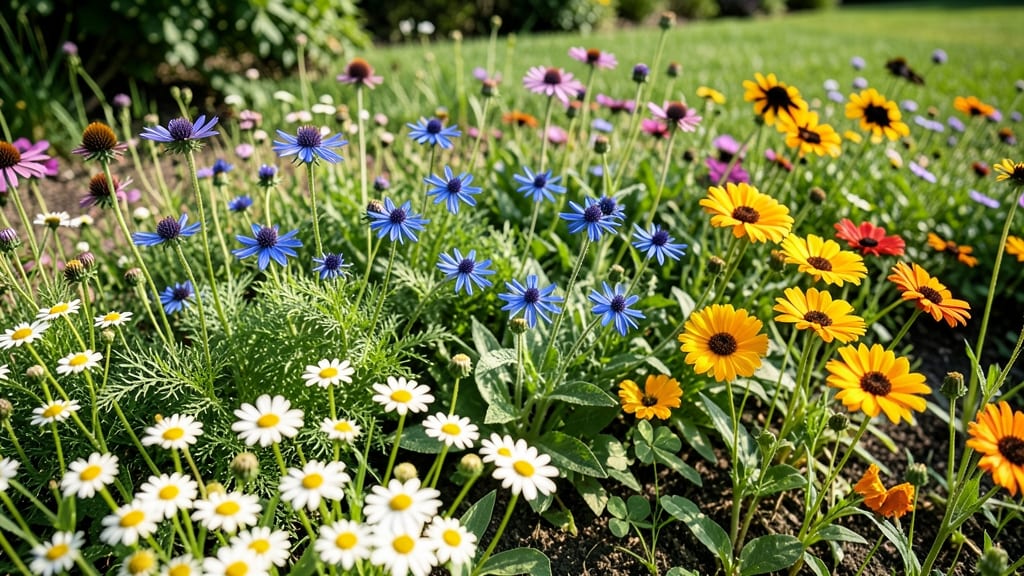
Tired of mowing, watering, and still having a boring lawn? Wildflower lawns transform your front yard into a vibrant, pollinator-friendly ecosystem with minimal effort. These 10 designs prove beauty and sustainability go hand-in-hand—no green thumb required.
Sunny Prairie Meadow Mix
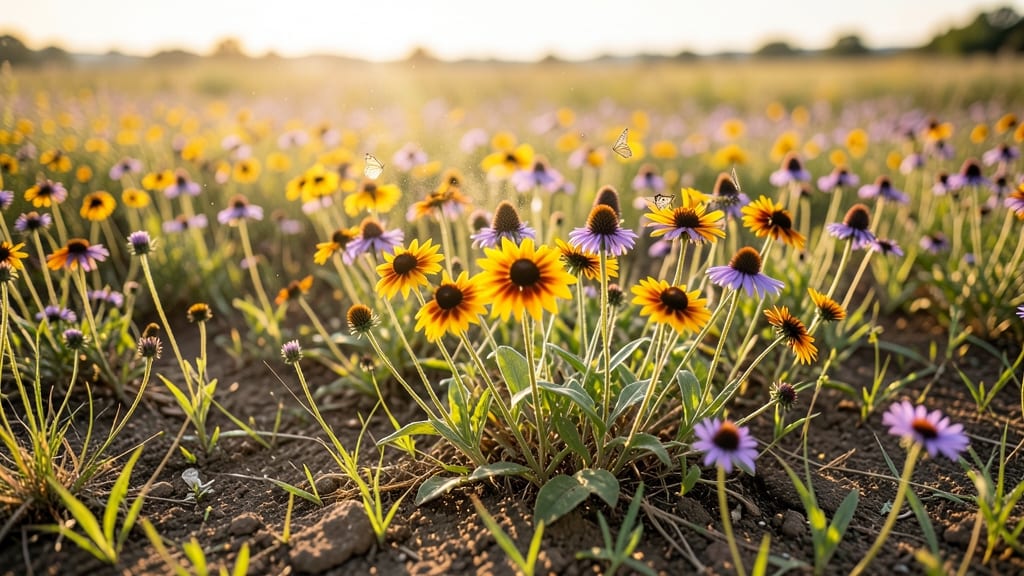
Transform your sun-drenched front yard into a buzzing butterfly haven with the Sunny Prairie Meadow Mix—a carefree blend of hardy wildflowers that thrive in full sun and dry soil. This beginner-friendly mix features black-eyed susans and purple coneflowers, two pollinator magnets that bloom from midsummer through fall, requiring almost no water once established.
Sow seeds in early spring or fall after raking away grass and loosening the soil. The mix self-seeds over time, reducing replanting needs, and its drought-tolerant nature means you’ll spend less time watering and more time admiring the results. Butterflies, bees, and hummingbirds will flock to your yard, turning it into a lively ecosystem without the upkeep of a traditional lawn.
This mix is ideal for first-time wildflower gardeners who want low-maintenance beauty with high impact. Perfect for sunny patches, slopes, or even replacing tired grass—just sit back and enjoy the show! 🌻
Shade-Tolerant Woodland Blend
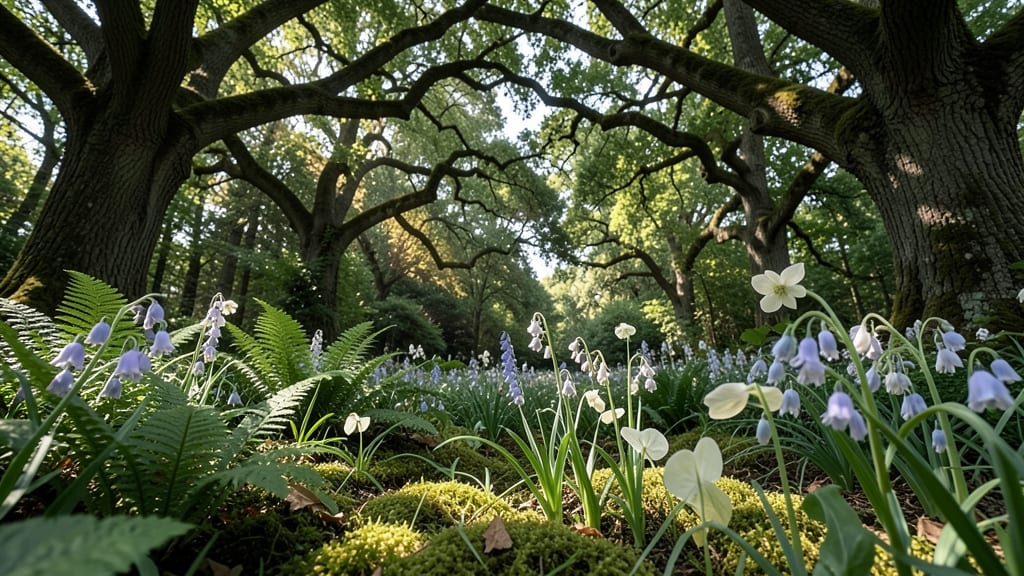
If your front yard is shaded by towering trees, don’t let the lack of sunlight stop you from creating a stunning wildflower lawn. The Shade-Tolerant Woodland Blend thrives in partial to full shade, transforming dim corners into a lush, woodland-inspired retreat with zero fuss. This mix features ferns, wild ginger, and asters, which flourish where traditional grass would struggle, offering year-round greenery with bursts of color in late summer.
Unlike sun-loving mixes, this blend requires minimal watering once established—just occasional rain or a deep watering every few weeks. The wild ginger spreads gently to fill gaps, while asters provide late-season blooms that attract butterflies and bees. For best results, loosen the soil slightly before planting in early spring or fall, then step back and let nature take over. This is the perfect solution for urban yards, wooded lots, or any space where sunlight is scarce.
Ideal for homeowners who want a low-maintenance, eco-friendly lawn without sacrificing beauty, this blend proves that shade doesn’t mean boring. Perfect for beginners or busy gardeners, it’s the easiest way to turn your yard into a serene woodland oasis. 🌿
Pollinator Paradise Collection
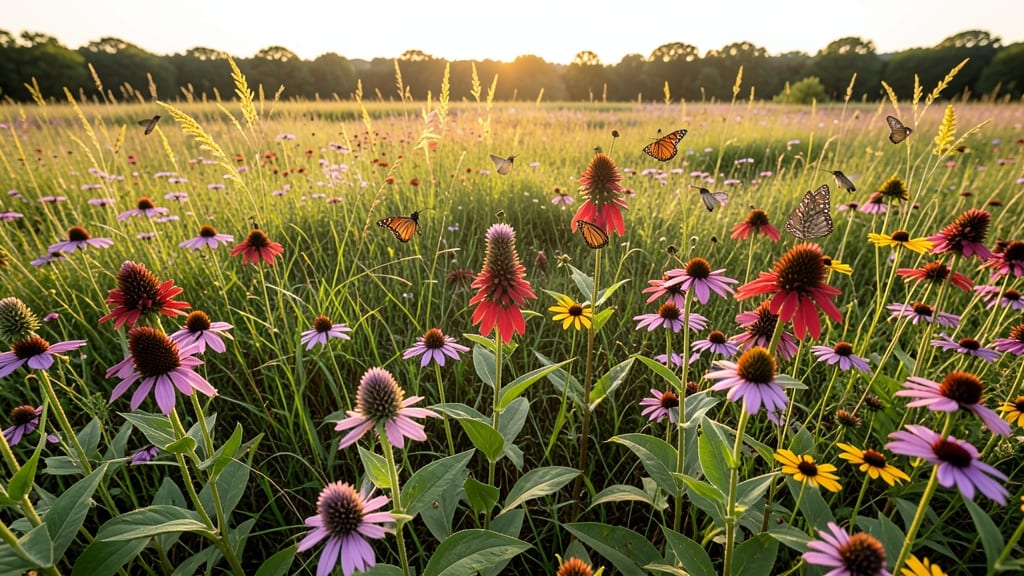
Turn your front yard into a buzzing hub for bees, hummingbirds, and butterflies with this Pollinator Paradise Collection. Unlike generic wildflower mixes, this blend is packed with milkweed (essential for monarch butterflies), bee balm (a magnet for bees and hummingbirds), and goldenrod (a late-season nectar source). It’s not just about beauty—it’s about creating a thriving ecosystem that local wildlife depends on.
Plant this mix in full sun to partial shade and prepare for a show of color from early summer through fall. The key to success is minimal prep: simply loosen the soil, scatter the seeds, and lightly rake them in. Water occasionally until established, then let nature take over. This collection thrives in well-drained soil and requires almost no maintenance once rooted—just sit back and enjoy the visitors!
Perfect for eco-conscious homeowners, this mix is especially rewarding for those in suburban areas where pollinator habitats are scarce. Your yard won’t just look stunning—it’ll become a lifeline for struggling wildlife. 🌱
Drought-Proof Desert Wildflowers
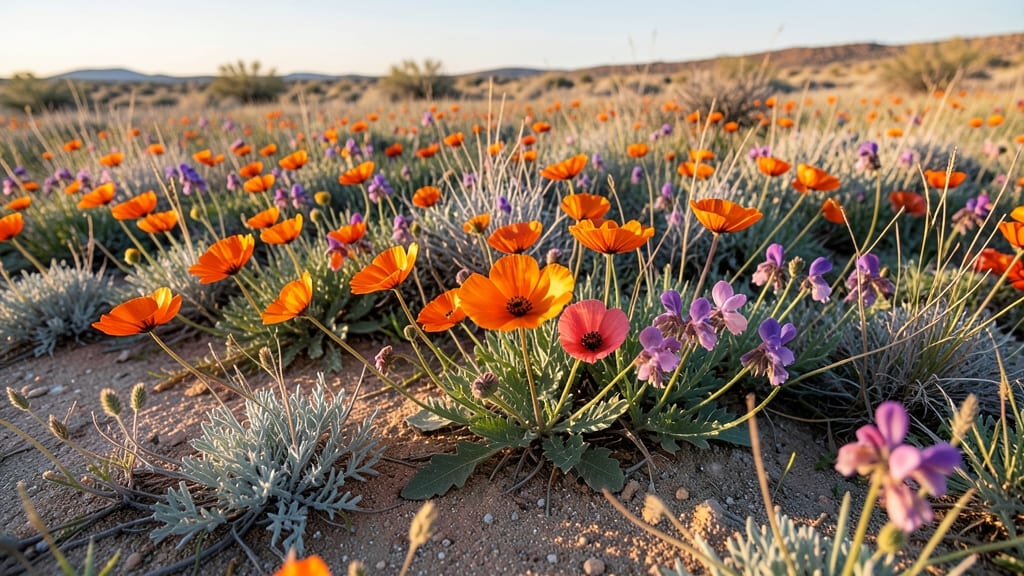
If you live in a dry climate where water conservation is key, drought-proof desert wildflowers are your secret weapon for a stunning, low-maintenance lawn. This mix features hardy natives like blanket flower (with its fiery orange blooms) and penstemon (delicate tubular flowers in purple, pink, or white), both of which thrive on rainfall alone once established.
Plant these seeds in late fall or early spring after clearing existing grass and lightly scarifying the soil. The mix spreads naturally over time, creating a self-sustaining tapestry that requires no fertilizers or frequent watering. For best results, group plants in drifts rather than rows to mimic natural desert landscapes—this also maximates their visual impact while keeping maintenance minimal.
Perfect for homeowners in the Southwest, California, or other arid regions, this design transforms water-guzzling lawns into ecosystem-supporting gardens that still look intentional and beautiful. 💚
Native Perennial Wildflower Mix
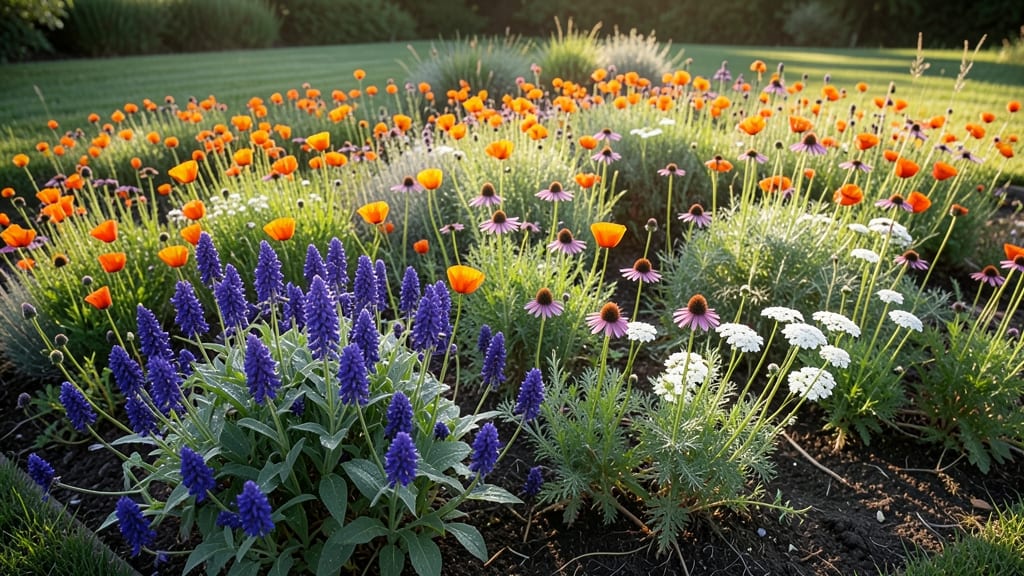
Skip the guesswork with a Native Perennial Wildflower Mix tailored to your exact climate zone—these blends feature hardy, locally adapted species that thrive without fuss. Unlike generic mixes, these include region-specific wildflowers like blue wild indigo (eastern U.S.) or California poppy (west coast), ensuring vibrant blooms that return year after year.
Plant once and enjoy year-round interest, from early spring ephemerals to late-fall asters. The deep root systems outcompete invasive weeds, while the mix supports native pollinators like monarchs and bumblebees. For best results, prepare soil by removing grass, then scatter seeds in early fall—they’ll establish roots before winter and burst into color the following spring.
This is the perfect choice for eco-conscious homeowners who want to reduce water use, eliminate synthetic fertilizers, and create a self-sustaining ecosystem that benefits the whole neighborhood. 💚
Low-Growing Ground Cover Wildflowers
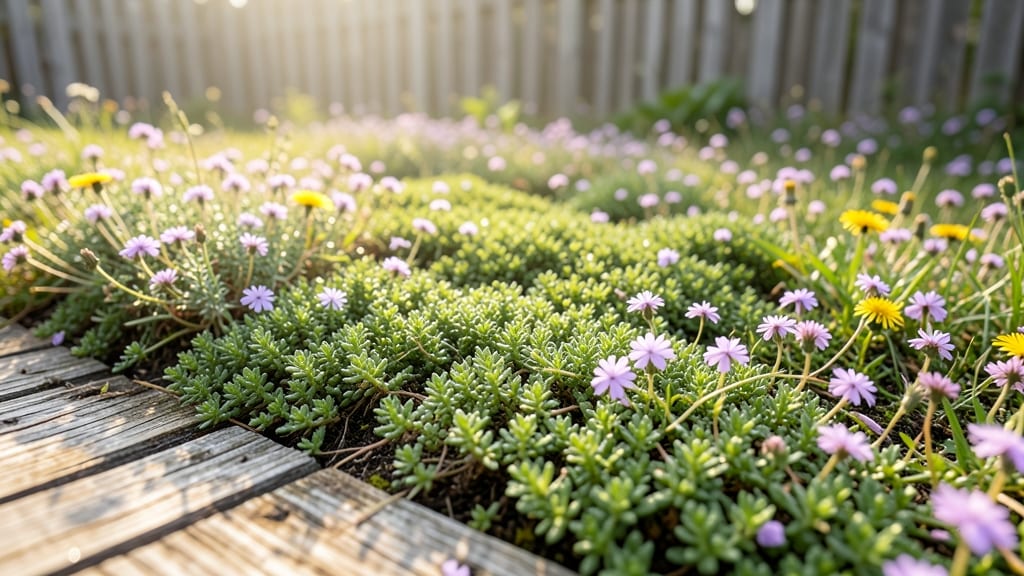
Tired of patchy grass that disappears underfoot? Low-growing ground cover wildflowers like creeping thyme and moss phlox create a lush, resilient carpet that stays soft even in high-traffic areas. These compact varieties thrive where traditional lawns fail—underfoot, in tight spaces, or on slopes—while requiring far less water and maintenance.
Plant these sun-loving wildflowers in late spring or early fall after preparing the soil with a light rake. They spread quickly to fill bare spots, suppress weeds naturally, and stay under 2 inches tall, making them ideal for pathways, patios, or replacing worn-out grass. Their fragrant foliage and delicate blooms add subtle color while attracting pollinators year-round.
Perfect for busy homeowners, urban gardeners, or anyone with high-traffic zones, this ground cover turns "problem areas" into a vibrant, low-maintenance lawn. No more bald patches or mowing—just a soft, living carpet that stays green underfoot. 🌿
Seasonal Color Rotation Mix
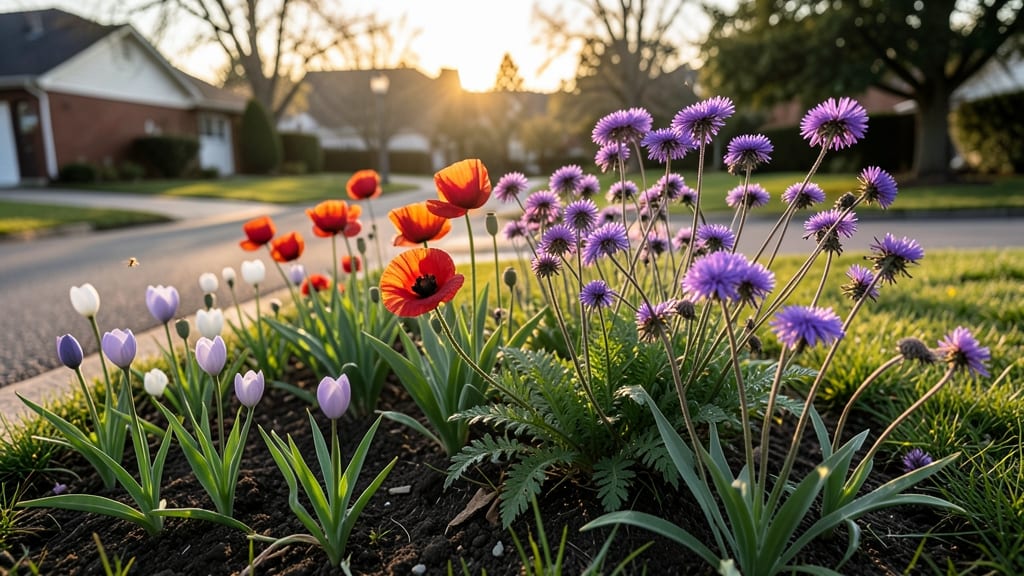
Tired of your front yard looking dull after summer’s blooms fade? The Seasonal Color Rotation Mix keeps your wildflower lawn vibrant from early spring through late fall, with a carefully timed succession of blooms like crocus, poppies, and asters. This isn’t just one burst of color—it’s a year-round show with minimal replanting.
Start with crocus in spring, followed by poppies in summer, and finish with asters in fall. Each species thrives in the same conditions, so you’ll get continuous blooms without switching soils or sunlight exposures. Plant once, then enjoy low-maintenance beauty—just mow occasionally to keep the lawn tidy. The mix self-seeds over time, reducing future effort.
Perfect for gardeners who love variety but hate replanting, this mix is especially great for small spaces or urban front yards where seasonal changes make a big impact. No more boring brown patches—just a nonstop parade of color! 🌷
Wildflower and Clover Combo
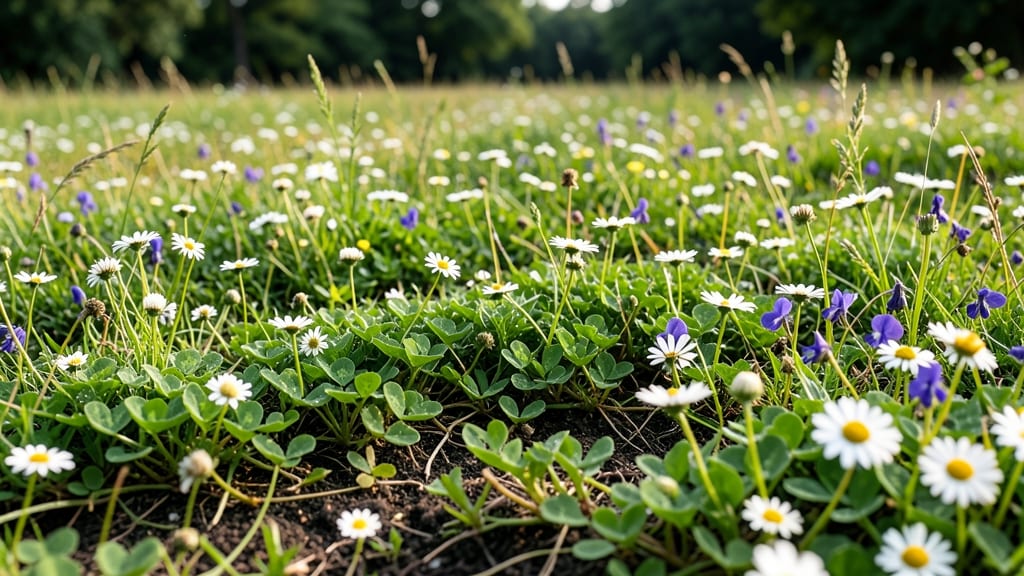
Skip the synthetic fertilizers and let nature do the work with a wildflower and clover combo—a dynamic duo that keeps your lawn lush without the chemicals. The nitrogen-fixing clover enriches the soil naturally, while wildflowers like daisies and violets add vibrant color and texture, creating a self-sustaining ecosystem.
Plant this mix in full sun to partial shade after mowing existing grass short and loosening the soil. The clover's deep roots prevent erosion while improving soil health, and wildflowers attract pollinators year-round. Mow occasionally to control height, but avoid scalping—this combo thrives with just 3-4 inches of growth.
Perfect for eco-conscious homeowners who want a low-maintenance, green lawn without the environmental cost. Your neighbors will admire the beauty, while your wallet and planet benefit from the sustainability. 💚
Cut-and-Come-Again Wildflowers
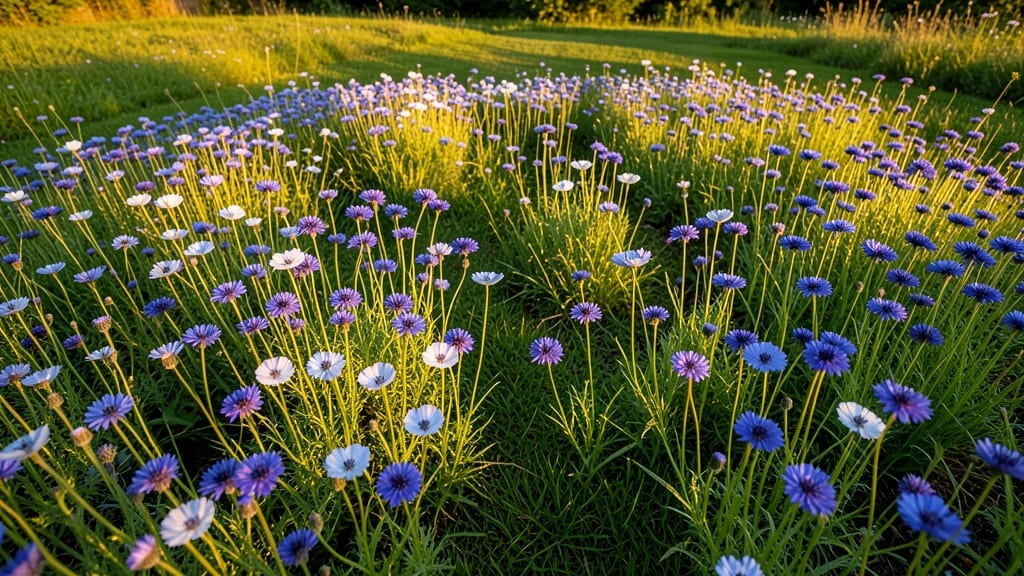
If you love the look of a manicured lawn but want to ditch the endless mowing, cut-and-come-again wildflowers are your solution. Species like bachelor’s buttons and cornflower regrow quickly after being trimmed, giving you a neat, structured appearance with vibrant blooms all season long.
Plant these hardy annuals in well-drained soil with full sun to partial shade, and simply mow them back when they reach 6-8 inches tall. They’ll bounce back within weeks, producing fresh blooms for continuous color. This approach works beautifully in traditional front yards where neighbors might notice—no wild, overgrown look here!
Perfect for homeowners who want structure without sacrifice, these wildflowers thrive in most climates and pair well with perennials for a polished, low-maintenance landscape. 🌷
Edible Wildflower and Herb Lawn

Turn your front yard into a dual-purpose oasis with an edible wildflower and herb lawn—where every step you take brings you closer to fresh ingredients. This clever mix combines chamomile (calming tea), borage (culinary garnish), and calendula (edible petals) with hardy wildflowers to create a low-maintenance lawn that doubles as a pantry.
Plant seeds in well-drained soil with 4-6 hours of sun, then let the plants grow to 6-12 inches tall before occasional mowing (set your lawnmower to 3-4 inches). The herbs thrive in moderate moisture but tolerate drought once established, while their fragrant blooms deter pests naturally. You’ll harvest year-round with minimal effort—just snip leaves or flowers as needed.
Perfect for urban homesteaders or herb enthusiasts, this design eliminates the need for a separate vegetable garden. Your lawn will buzz with pollinators while providing fresh, organic ingredients straight from your front yard. 🌿