
Lawn
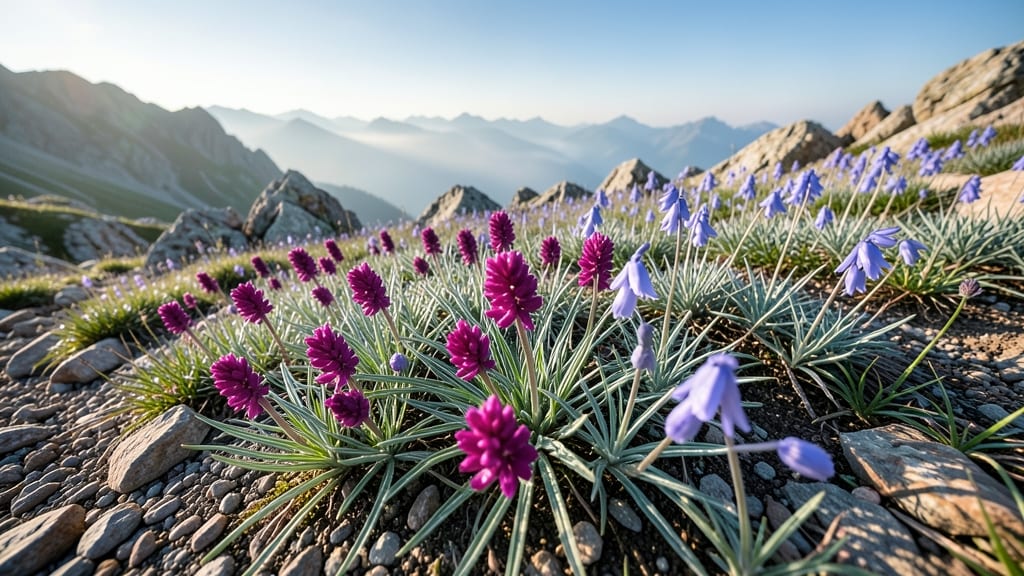
Transform your lawn into a thriving ecosystem for bees, butterflies, and birds with these 10 wildflower lawn ideas. Each design requires minimal water, no mowing, and zero synthetic fertilizers while creating vibrant, drought-resistant beauty.
Native Prairie Meadow Mix
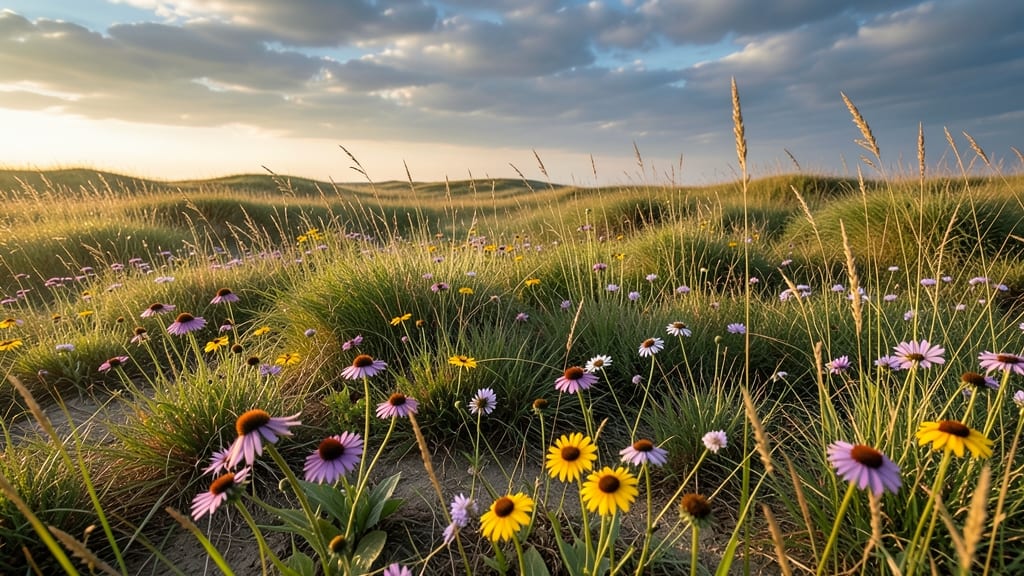
If you're a Midwest gardener tired of mowing and watering a traditional lawn, the Native Prairie Meadow Mix is your game-changer. This hardy blend of native grasses and wildflowers creates a self-sustaining ecosystem that thrives on rainwater alone while outcompeting weeds naturally.
Plant this mix in full sun to partial shade for a tapestry of purple coneflowers, black-eyed Susans, and butterfly weed that bloom from spring through fall. The deep roots prevent erosion while providing year-round habitat for bees, butterflies, and birds. Once established, it requires no mowing—just occasional seed head removal to encourage new growth.
This is the perfect solution for gardeners who want low-maintenance beauty without sacrificing biodiversity. It's especially ideal for large yards or open fields where traditional lawns feel overwhelming. 🌻
California Wildflower Meadow
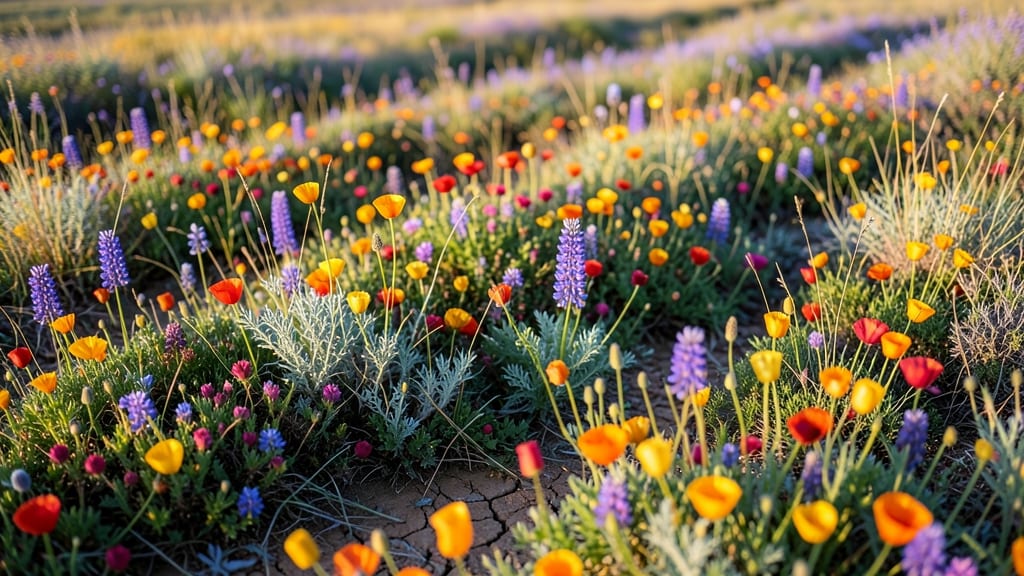
If you live in a region where water restrictions make traditional lawns impractical, a California wildflower meadow offers a stunning solution. This drought-resistant design thrives on as little as 12 inches of annual rainfall, transforming dry landscapes into vibrant tapestries of color.
Plant California poppies for their bright orange blooms, lupines for striking purple spikes, and ceanothus for fragrant blue clusters. These native plants require almost no maintenance once established, with year-round interest from evergreen foliage and seasonal blooms. The key is to prepare the soil with minimal tilling and plant seeds in early spring when rains are most reliable.
This meadow isn't just beautiful—it's a pollinator magnet that supports local bees and butterflies while requiring zero irrigation after the first growing season. Perfect for homeowners in California, the Southwest, or anywhere with dry summers, this design proves that drought-prone areas can still be lush and colorful. 🌻
Butterfly Garden Blend
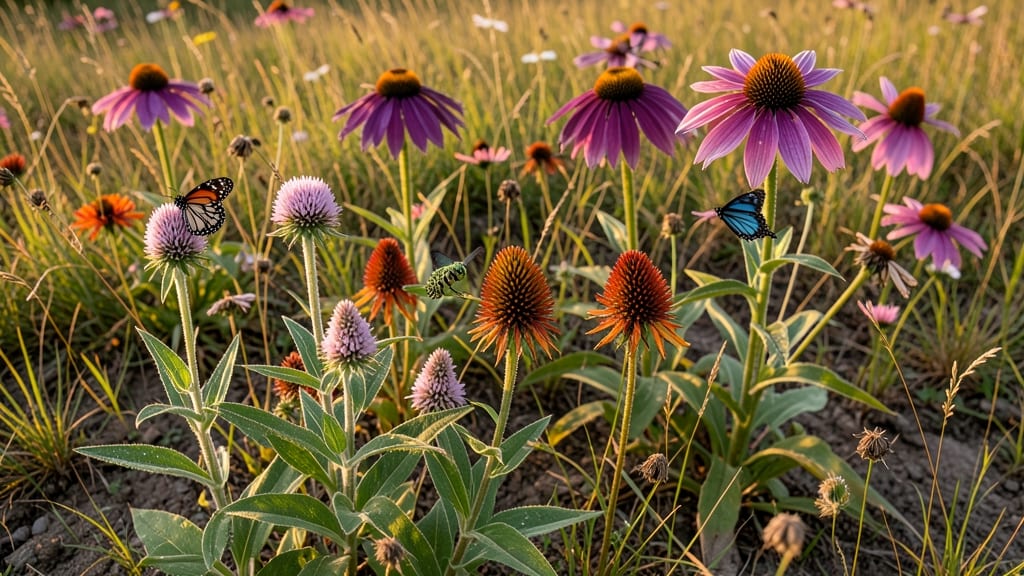
Want to create a vibrant, functional space that supports monarch butterflies and swallowtails while adding beauty to your lawn? This Butterfly Garden Blend combines milkweed (essential for monarch caterpillars), butterfly weed (a nectar powerhouse), and coneflowers (long-blooming favorites) to support the entire life cycle of these iconic pollinators.
Plant common milkweed or swamp milkweed for host plants where butterflies lay eggs, while butterfly weed and purple coneflowers provide nectar for adult butterflies. This mix thrives in full sun to partial shade and requires minimal water once established. For best results, space plants 12-18 inches apart and allow them to self-seed for continuous blooms.
Perfect for gardeners who want to make a real impact on pollinator populations, this blend is especially rewarding for families and educators who enjoy watching butterflies thrive. Watch your garden become a butterfly magnet in just one season! 🌱
Sunny Border Wildflower Mix
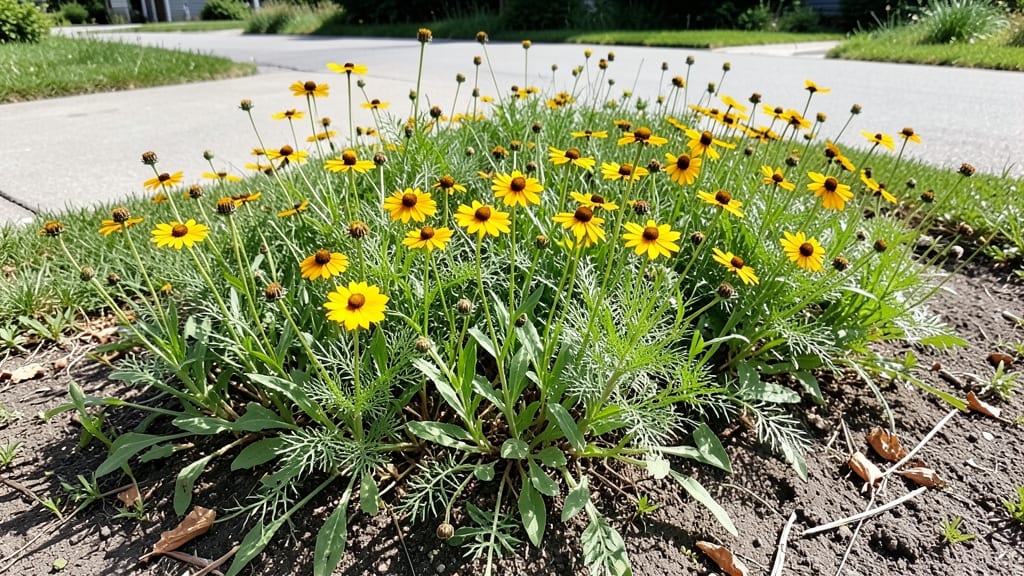
Tired of patchy lawn edges that need constant trimming? A sunny border wildflower mix transforms neglected corners into vibrant, low-maintenance borders that hum with pollinators—no mower required.
This compact wildflower blend features coreopsis (bright yellow blooms), black-eyed Susans (golden centers), and yarrow (fuzzy white clusters), all thriving in full sun with just occasional deadheading to keep them blooming. The mix stays under 2 feet tall, perfect for edging paths, driveways, or foundation plantings. Plant in late spring after frost for summer-long color, and watch bees and butterflies flock to your borders.
Ideal for urban gardeners, small yards, or anyone who wants easy beauty, this mix requires no fertilizers and thrives on rainwater alone once established. 🌻
Shade-Tolerant Woodland Wildflowers
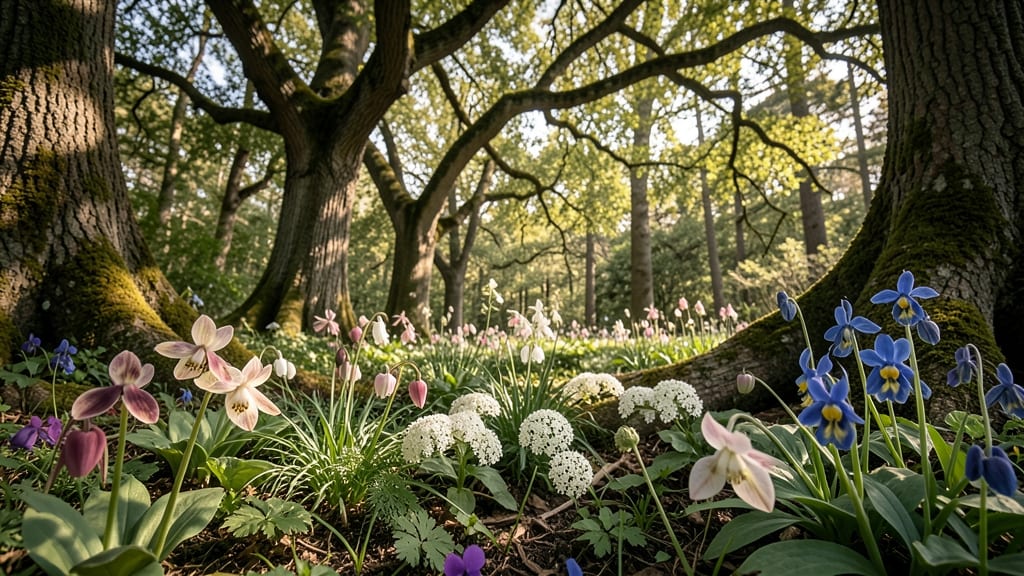
If your lawn edges are shaded by towering trees, don’t let that stop you from creating beauty—woodland wildflowers thrive where sunlight is scarce. These delicate bloomers, like trillium and bleeding heart, turn forgotten corners into lush, fragrant sanctuaries without competing with your existing greenery.
Plant these perennials in early spring or fall, mimicking their natural woodland habitat by keeping soil moist but well-drained. Wild ginger adds lush foliage, while trillium’s white blooms and bleeding heart’s heart-shaped flowers create a dreamy, dappled effect. They’re perfect for gardeners who love low-maintenance charm and want to support native pollinators like bumblebees.
Ideal for beginners or urban gardeners with limited sun, these wildflowers bring woodland magic to your yard with almost no effort. 💚
Drought-Proof Desert Wildflower
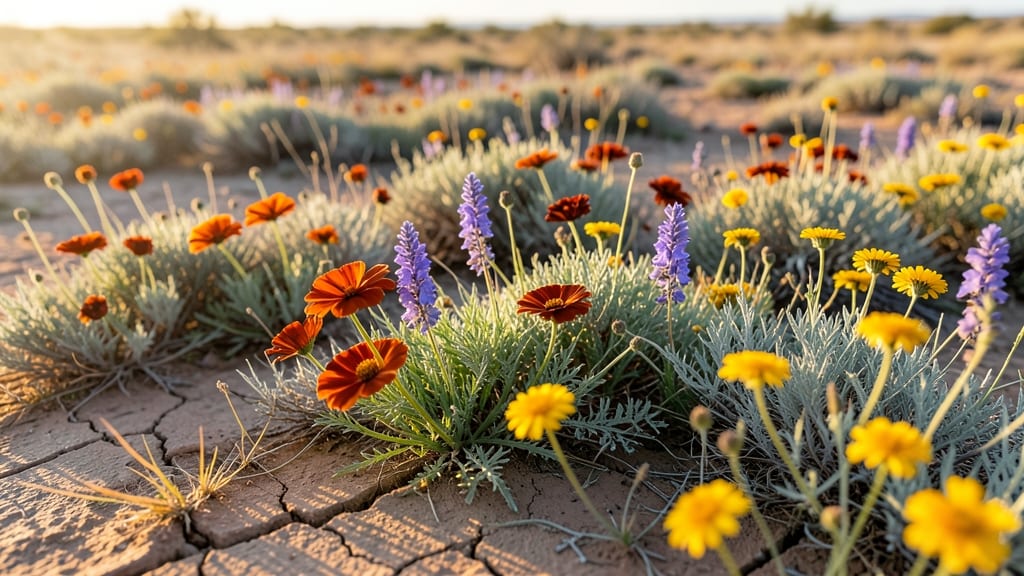
If you live in the Southwest and want a lawn that thrives on zero effort and zero water, this drought-proof desert wildflower mix is your answer. Unlike traditional grass, these native beauties—blanket flower, penstemon, and desert marigold—require almost no irrigation once established, making them perfect for arid climates.
Start by preparing your soil with minimal tilling, then scatter seeds in early spring or fall when temperatures are mild. These hardy plants spread naturally, creating a self-sustaining tapestry of color that blooms from late spring through summer. Blanket flower provides bold red-orange hues, while penstemon adds purple spikes, and desert marigold brightens with golden yellow. They also attract hummingbirds and butterflies, turning your yard into a pollinator paradise.
This mix is ideal for homeowners in USDA zones 5-10 who want a low-maintenance, water-wise alternative to grass. Once established, you’ll spend less time watering and more time enjoying the stunning desert-inspired beauty. 🌻
Seasonal Color Rotation Mix
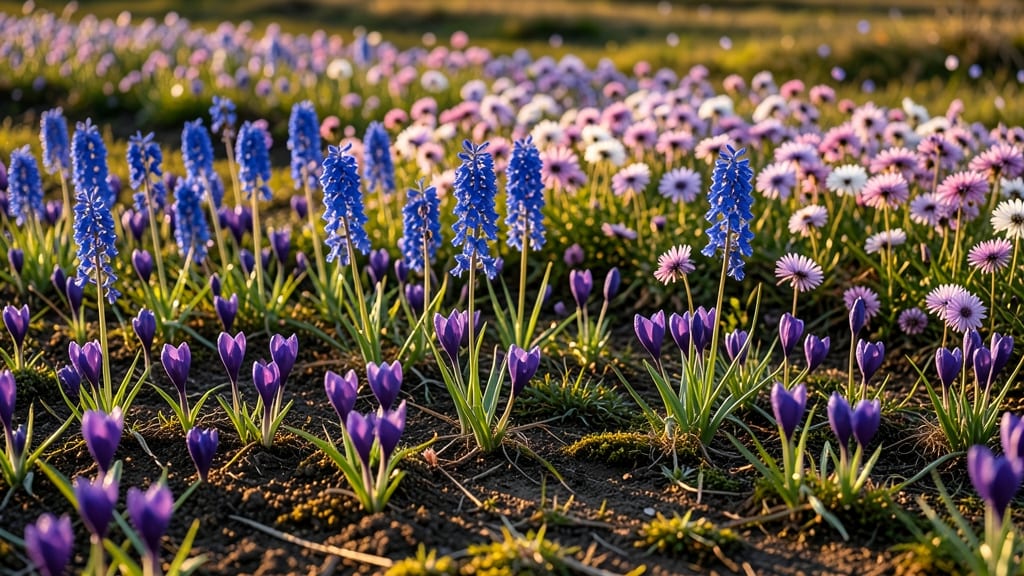
Tired of a lawn that looks dull between spring and fall? A seasonal color rotation mix keeps your wildflower lawn vibrant year-round by layering crocus for early spring pops of purple, delphinium for mid-summer height and drama, and asters for late-season flair. This isn't just about looks—it's a pollinator buffet that ensures bees and butterflies have food from February through November.
Start by planting crocus bulbs in fall for early blooms, then add delphinium seeds in spring for towering blue spikes by summer. Finish with aster seeds in late summer for fall color. All three thrive in full sun to partial shade and require minimal water once established. The key is spacing: plant crocus in clusters, delphinium in loose drifts, and asters along borders for natural flow.
This mix is perfect for gardeners who want low-maintenance beauty without seasonal gaps. Urban dwellers with small yards will love how it transforms even tight spaces into a living tapestry. 🌻
Edible Wildflower Lawn
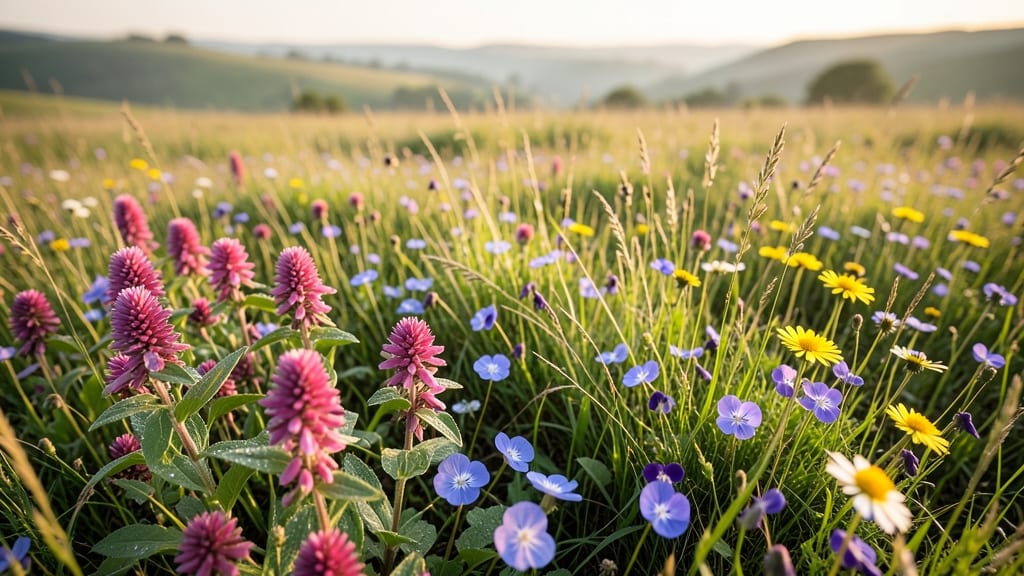
Turn your lawn into a pollinator paradise that also feeds you—this edible wildflower lawn combines beauty with bounty using bee balm, borage, and violets. The vibrant blooms attract hummingbirds and bees while providing fresh edible flowers for teas, salads, and garnishes.
Plant bee balm in full sun for its striking red-purple blooms (great for hummingbirds), borage in partial shade for its cucumber-flavored flowers, and violets in dappled light for delicate edible petals. All three thrive in well-draining soil and require minimal water once established—perfect for low-maintenance gardeners.
This design is ideal for urban homesteaders or anyone who wants a functional lawn that supports wildlife and harvests. 🌿
Low-Growing Groundcover Wildflowers
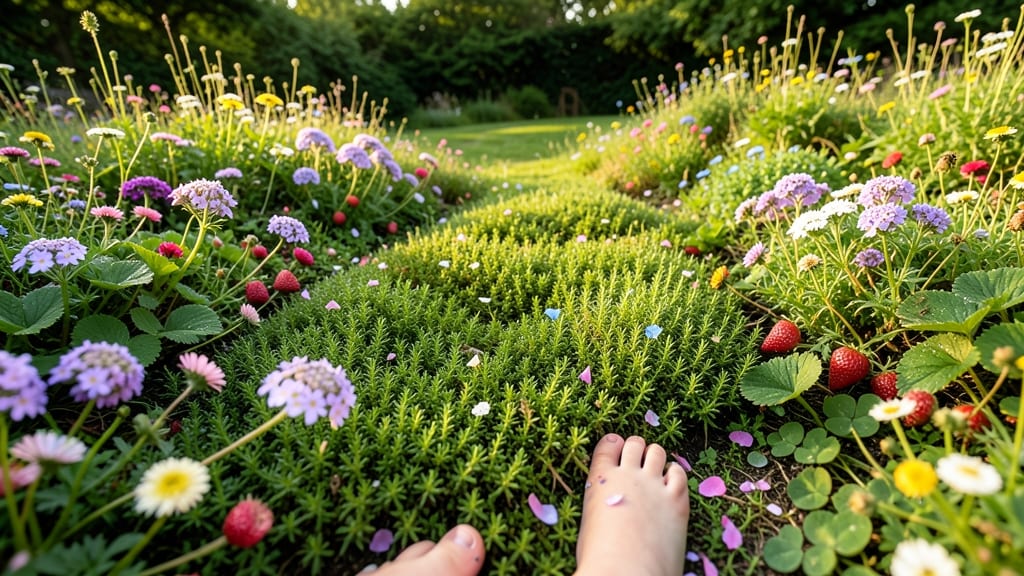
Tired of hard, muddy patches where kids play or pets roam? Low-growing groundcover wildflowers transform high-traffic areas into soft, walkable carpets that stay under 6 inches tall. These plants—like creeping thyme, moss phlox, and wild strawberries—thrive underfoot while adding vibrant color and texture.
Creeping thyme releases a fragrant aroma when stepped on, while wild strawberries produce tiny, edible fruits that birds and children love. All three plants require full sun to partial shade and minimal water once established, making them ideal for busy gardeners. Their shallow roots prevent soil erosion while suppressing weeds naturally.
Perfect for urban yards, playground edges, or pathways, this mix eliminates the need for mulch or gravel. Kids can play safely, pets can nap comfortably, and you’ll enjoy a low-maintenance lawn that blooms year after year. 🌱
High-Altitude Alpine Wildflowers

If you live above 6,000 feet and want a wildflower lawn that thrives on nature’s schedule, high-altitude alpine wildflowers are your perfect match. This rugged mix—featuring alpine penstemon, sky pilot, and mountain bluebells—is engineered to handle thin mountain air, rocky soil, and minimal rainfall once established.
These hardy perennials bloom from late spring through summer, offering vibrant purple, white, and blue hues that contrast beautifully against alpine backdrops. They require no supplemental watering after the first year and naturally resist deer and pests. Plant them in well-draining soil with full sun to partial shade for the most dramatic displays.
Ideal for mountain homeowners, cottage gardeners in the Rockies, or anyone with a high-elevation yard, this mix turns tough conditions into a low-maintenance, high-impact pollinator magnet. 🌟