
Lawn
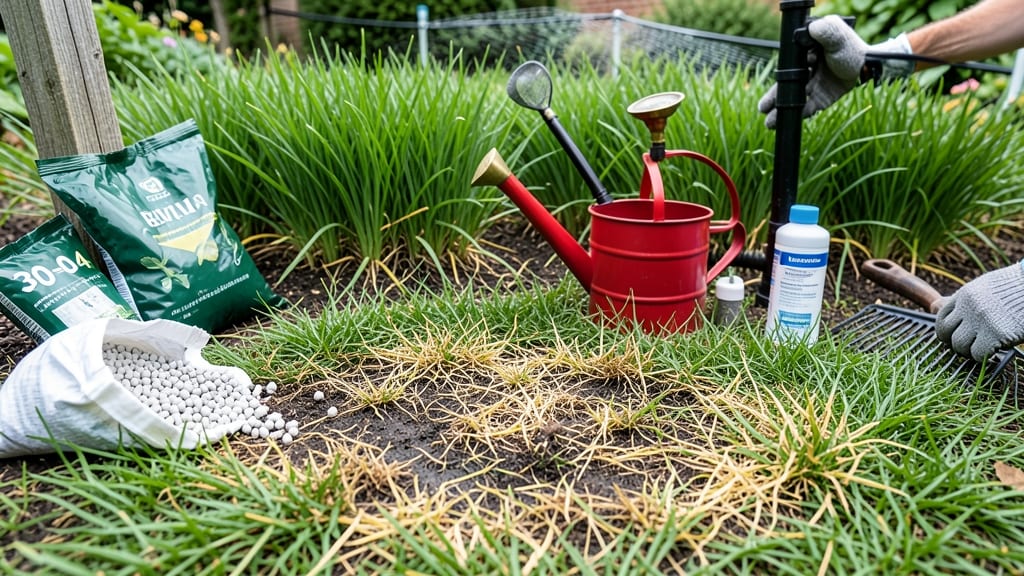
How to stop dog wee killing lawn—those yellow patches spread faster than you can say "potty break," but I’ve turned bare spots into lush green zones using tricks that work in minutes, not months. The key? Diluting the damage before it sets in, then giving grass a fighting chance with the right care.
First, flush the area with water immediately after your pup goes—this dilutes the ammonia and gives your lawn a chance to recover. For stubborn patches, overwater the spot for 2-3 days to flush out excess salts.
Then, add a 1-inch layer of compost or spread lime to neutralize soil pH, which dog urine makes too acidic.
Within weeks, you’ll see new growth pushing through, and the brown will fade like a bad memory.
For long-term protection, train your dog to use a designated potty spot (gravel or mulch work well) and consider dog-friendly grass varieties like tall fescue or Kentucky bluegrass—they bounce back better than thin lawns.
This isn’t about giving up your lawn—it’s about giving your grass a fair fight. With these spot fixes, you’ll save time, money, and your sanity while keeping your yard looking sharp. Let’s get that green back!
The Hidden Reasons Your Lawn Suffers
Dog urine isn’t just a nuisance—it’s a chemical cocktail that turns your lawn into a patchwork of dead spots. Understanding the science behind the damage is the first step to reclaiming your green space. Here’s why your grass is struggling and what’s really happening in the soil.
When your dog pees, their urine contains high levels of ammonia (NH₃) and urea (CO(NH₂)₂), which break down into nitrogen compounds. While nitrogen is essential for plant growth, concentrated doses (like those in fresh urine) act as a chemical burn.
- How it works: Ammonia raises the soil’s pH temporarily (making it more alkaline), disrupting nutrient uptake in grass roots.
- Visible damage: Yellowing or browning within 24–48 hours, often in a distinct circular pattern where the dog pees.
- Worst offenders: Small dogs (higher urine concentration) and frequent urination in the same spot.
Pro tip: 💡 Dilution is key—ammonia dissipates within 12–24 hours if the urine isn’t concentrated. Watering immediately after your dog goes can halve the damage.
Dogs don’t just pee—they trample. Their weight compacts soil, reducing oxygen flow to grass roots. Combined with urine’s chemical stress, this creates a double whammy:
- Root suffocation: Compacted soil limits root growth, making grass vulnerable to drought and disease.
- Weed invasion: Compacted areas stress grass, leaving gaps for clover, dandelions, or moss to take over.
- Tell-tale signs: Spongy or bare patches where your dog walks and pees repeatedly.
Science note: 🌡️ Soil compaction reduces porosity by up to 50% in high-traffic dog zones, choking out essential microbes that help grass thrive.
Dog urine isn’t just nitrogen—it’s a disruptor of soil microbes. The high salt and urea content can kill beneficial bacteria and fungi that:
- Break down organic matter into nutrients.
- Protect grass roots from pathogens.
- Regulate soil pH naturally.
Result? A lawn that’s nutrient-starved and prone to fungal infections (like brown patch disease). Over time, this turns localized damage into systemic weakness.
Fun fact: ✨ Healthy soil has 1 billion microbes per teaspoon—dog urine can temporarily reduce this by 30–50% in affected areas.
Not all lawns suffer equally—climate and timing amplify the damage:
| Condition | Why It Matters | Damage Risk |
|---|---|---|
| Hot, dry weather | Urine evaporates faster, concentrating ammonia and salts. | ⭐⭐⭐⭐⭐ (Highest risk) |
| Rainy or humid days | Dilutes ammonia, but washes away nutrients grass needs. | ⭐⭐ (Moderate) |
| Frozen ground | Urine sits longer, but cold slows ammonia release. | ⭐⭐⭐ (Variable) |
Key takeaway: If your dog pees on a sunbaked lawn in July, the damage is 3x worse than in cooler, wetter months.
Fixing Dog Wee Damage Fast
Now that you know why your lawn is suffering from dog urine, let’s tackle the problem head-on. The good news? With the right approach, you can revive your grass and prevent future damage.
Below are targeted fixes based on the root cause, along with prevention tips to keep your lawn lush and healthy.
If your lawn struggles with poor drainage or heavy, compacted soil, dog urine will only make things worse by burning the roots. Here’s how to fix it:
- 🔥 Improve Drainage - Test your soil’s drainage by digging a 6-inch hole and filling it with water. If it drains in less than 4 hours, your soil is fine.
If it takes longer, amend it with sand or perlite (mix 1 part sand to 3 parts topsoil). - For clay-heavy soil, spread a 1-inch layer of coarse sand over the affected area and lightly rake it in.
- 👨🍳 Aerate the Lawn
- Rent a core aerator (or hire a pro) to pull small soil plugs from your lawn, allowing air, water, and nutrients to reach the roots.
- Best time to aerate: Early fall or spring, when grass is actively growing.
- ✨ Top Dress with Compost
- Spread a ¼-inch layer of organic compost over the lawn and lightly rake it in. This improves soil structure and helps neutralize urine acids.
💡 Pro Tip: If your lawn is shady and thin, overseed with dog-friendly grass varieties like fine fescue or tall fescue, which tolerate urine better than Kentucky bluegrass.
If your dog’s urine is directly scorching patches, act fast to protect the grass:
- 💦 Flush with Water Immediately
- After your dog pees, hose down the spot with water for 10-15 seconds to dilute the ammonia. This is the #1 quick fix to prevent burns.
- 🌡️ Apply a Lawn Fertilizer with Nitrogen
- Use a slow-release, high-nitrogen fertilizer (like 16-4-8) to help grass recover. Follow the package instructions for application rates.
- Best time to fertilize: Early morning or late evening to avoid burning grass in direct sunlight.
- 🍃 Overseed Bare Spots
- If patches are completely dead, remove the dead grass, loosen the soil, and sprinkle new grass seed (choose a dog-friendly blend).
- Keep the area moist but not soggy for 2-3 weeks until new growth appears.
💡 Pro Tip: If you notice yellowing grass, it may be nutrient-deficient. A liquid iron supplement can help restore color fast.
The best way to stop dog urine damage? Prevent it before it starts. Here’s how:
- 📊 Train Your Dog to Pee in Designated Spots
- Use artificial turf, pea gravel, or a dedicated "potty patch" in a corner of your yard. Dogs learn routines—consistency is key!
- Reward them with treats or praise when they use the designated area.
- 🌿 Choose Dog-Friendly Grass Types
- Tall fescue and fine fescue are more urine-resistant than Kentucky bluegrass. Consider overseeding your lawn with these varieties.
- 🚿 Dilute Urine with a Watering System
- Install a drip irrigation system or sprinkler timer to keep the lawn lightly moist. This helps dilute urine before it burns the grass.
- Water deeply 2-3 times per week (early morning) rather than daily shallow watering.
- ✨ Use a Natural Urine Neutralizer
- Sprinkle baking soda or vinegar (1 part vinegar to 3 parts water) on hot spots to balance pH levels.
- Avoid commercial urine neutralizers with harsh chemicals—they can harm grass long-term.
💡 Pro Tip: If your dog is a frequent offender, consider training them to pee on a mulch bed (like pine straw) instead of grass—it’s softer on their paws and easier to maintain.
To keep your lawn thriving despite your pup’s habits:
| Problem | Solution | Frequency |
|---|---|---|
| Yellow patches | Apply nitrogen-rich fertilizer | Every 6-8 weeks |
| Thin, weak grass | Overseed with dog-friendly grass | Early fall or spring |
| Compacted soil | Aerate + top-dress with compost | Once a year |
| Slow recovery | Use a lawn repair mix (seed + mulch) | As needed |
🌟 Final Thought: A little prevention + quick action goes a long way. With these fixes, your lawn can bounce back—and your dog can keep doing their business without turning your yard into a crime scene! 🐾
Frequently asked questions
Why does dog urine turn grass yellow so quickly?
Dog urine contains high ammonia and urea levels that act like a chemical burn. When concentrated, these compounds raise soil pH and disrupt nutrient uptake in grass roots within 24-48 hours. Small dogs cause more damage because their urine is more concentrated. The yellowing happens fastest in hot, dry weather when ammonia evaporates quickly.
Can I just water the spot after my dog pees?
Yes! Flushing with water for 10-15 seconds immediately after your dog goes is the fastest way to dilute the ammonia. For better results, water the area 2-3 times daily for 2-3 days to fully flush out excess salts. This simple step can prevent 80% of urine damage if done consistently.
What's the best grass type for dog yards?
Look for dog-friendly varieties like tall fescue or fine fescue—they recover better from urine damage than Kentucky bluegrass. These grasses have deeper roots that tolerate more frequent peeing. For high-traffic areas, consider clover mixes, which are more resilient and actually help neutralize soil pH over time.
Will lime really help my dog-damaged lawn?
Dog urine makes soil more acidic, and lime helps neutralize the pH. Spread ½ cup of garden lime per 10 square feet over affected areas and water thoroughly. For faster results, mix lime with compost before spreading. Reapply every 3-4 months in high-traffic dog zones.
How long until my lawn recovers from dog urine damage?
With proper care, you'll typically see new growth in 7-14 days. For stubborn patches, complete recovery may take 4-6 weeks. Key factors: immediate watering, proper soil pH, and using dog-resistant grass varieties. The sooner you address the damage, the faster your lawn will bounce back—don't wait until the yellow turns brown!