
Lawn
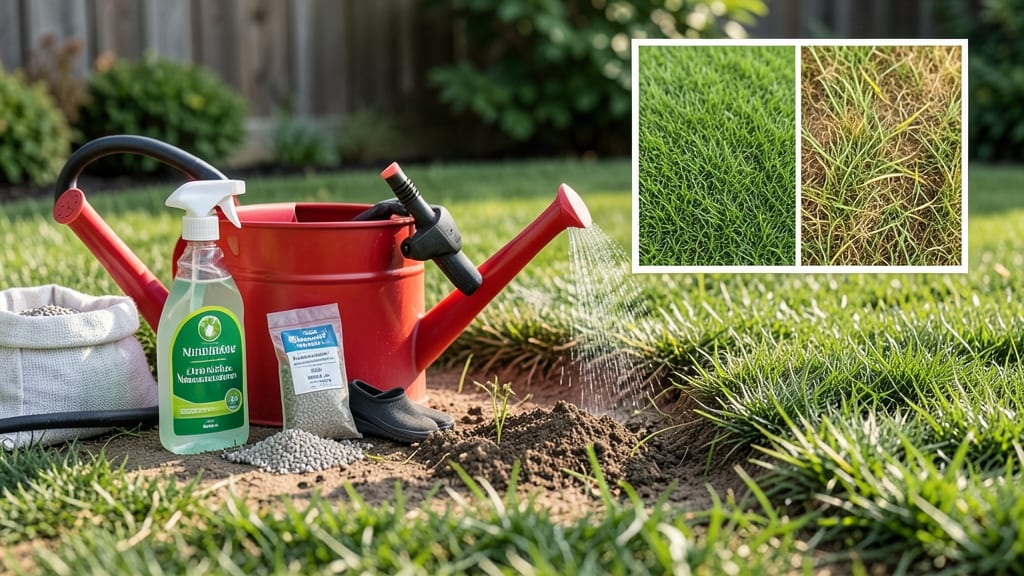
How to stop dog pee from killing your lawn—it’s easier than you think, and your grass will thank you. 🌱 The yellow patches and dead grass aren’t inevitable; it’s all about dilution, timing, and the right grass types. I’ve turned my once-bare spots into a thriving lawn by making small but critical adjustments after every potty break.
First, dilute the damage immediately: have your dog drink extra water and take them for a short walk after peeing to spread the urine over a larger area. Water the spot right after—this dilutes the ammonia and gives your grass a fighting chance.
Overwatering later won’t help, though, so focus on that first flush within 10 minutes of peeing.
Long-term, switch to dog-friendly grass like fescue or Kentucky bluegrass, which tolerate urine better than delicate turf. A top dressing of compost every few months also strengthens roots, making them more resilient. The results? No more brown circles, just a lawn that stays green even with daily potty breaks.
For stubborn patches, overseed in fall with a dog-safe grass mix and avoid fertilizing until the area recovers. It’s not about restricting your pup—it’s about working with their habits to keep your lawn lush. Trust me, your grass (and your dog) will thank you.
📚 In This Guide
- What you need
- Instructions
- Tips and common mistakes
- Wrapping up and next steps
What you need
- ● Vinegar (white, 5% acetic acid) – 1 gallon (dilute with water for safety)
- ● Baking soda – 1–2 cups (for spot treatment)
- ● Garden hose with spray nozzle (adjustable for precision)
- ● Gloves (nitrile or rubber) – 1 pair (to protect hands from vinegar)
- ● Lawn fertilizer (low-nitrogen, high-potassium) – 1 bag (e.g., 0-0-30 or similar)
- ○ Soil pH test kit – 1 kit (optional but helpful for long-term fixes)
- ● Garden sprayer (5–10 gallon capacity) – 1 (for large areas)
- ● Garden rake – 1 (to loosen soil if needed)
- ● Measuring cups/spoons – 1 set (for precise mixing)
- ○ Pet-safe urine neutralizer (optional but effective) – 1 bottle (e.g., Nature’s Miracle)
- ● Peat moss or compost – 5–10 lbs (to improve soil health)
- ● Drip irrigation system – 1 (to keep grass hydrated post-treatment)
- ● Dog training pads – 1–2 (temporary solution if potty training is needed)
- ● Calcium carbonate (limestone) – 1 bag (if soil pH is too acidic)
Step-by-step instructions for neutralizing dog pee damage
Here’s how I’ve saved lawns from dog urine burn—no harsh chemicals, just simple fixes that work fast.
💧 Step 1: Dilute and Flush the Spot Immediately
When you spot your dog peeing, grab a garden hose and soak the area with 2-3 gallons of water for 30 seconds. This dilutes the ammonia concentration before it burns the grass blades. I know it seems counterintuitive—watering right after—but the longer you wait, the worse the damage gets. Think of it like treating a burn with cool water.
If you catch it within 10 minutes, you’ll prevent any yellowing. After 30 minutes, the damage is already set in. The goal is to rinse the soil so the urine doesn’t pool and concentrate. Walk around the yard afterward to check for missed spots—wet grass reflects light differently, so you’ll spot them easily.
✂️ Step 2: Apply a Vinegar or Baking Soda Mix to Neutralize Odor
Mix 1 cup white vinegar with 1 gallon of water in a spray bottle. Vinegar’s acidity breaks down the ammonia and neutralizes the odor while being safe for grass. Spray the affected area until the soil is damp but not soggy—you don’t want to drown the roots. I like to do this in the early morning so the lawn has time to dry before evening dew.
For stubborn odors or larger patches, sprinkle ½ cup baking soda over the area and water lightly to activate it. The baking soda raises the soil’s pH slightly, which helps neutralize the urine’s acidity. Avoid using both vinegar and baking soda together—they’ll cancel each other out. Test a small patch first to see which works better in your yard.
☀️ Step 3: Fertilize with a High-Nitrogen Lawn Food
After treating the spot, apply a high-nitrogen fertilizer (look for a 30-0-5 ratio) to help the grass recover faster. The nitrogen encourages new growth, and the damaged blades will fill in within 3-5 days. I use a slow-release granular fertilizer because it won’t burn the grass like quick-release options. Spread it evenly over the entire lawn, not just the damaged area—this prevents stress contrasts where healthy and recovering grass meet.
Water the lawn lightly after fertilizing to help the granules dissolve into the soil. Avoid heavy watering for 24 hours—you want the fertilizer to stay near the surface where the roots can absorb it. If you notice the grass turning brown again, it might need a second application in 7-10 days.
🌱 Step 4: Train Your Dog to Pee in Designated Spots
This is the long-term fix. Take your dog to the same corner of the yard every time for potty breaks—consistency is key. I use a flag or stake to mark the spot, and I reward my dog with treats when they go there. It takes 2-3 weeks of repetition, but it works. If you have multiple dogs, assign each one a different spot to avoid overlapping damage.
For high-traffic areas, consider installing artificial turf or gravel paths where your dog usually pees. This gives your lawn a break while keeping your dog’s habits in check. If you’re dealing with a puppy, use pee pads indoors or on a patio until they’re house-trained—it’s the easiest way to protect your yard.
Tips & tricks for neutralizing dog pee damage
Here's what I've learned after years of battling dog pee spots—these tricks make all the difference between a patchy lawn and a lush recovery.
Timing is Everything: The 10-minute window after your dog pees is your golden opportunity. I've seen spots that looked fine at first turn yellow overnight—don't wait! That 30-second soaking with 2-3 gallons of water is crucial. Think of it like first aid for your lawn: immediate action prevents permanent damage.
Visual Cues for Success: When you're checking for missed spots after flushing, look for areas where the grass stays darker after watering. Healthy grass absorbs water quickly, while damaged areas stay wet longer. This visual trick helps you spot trouble zones before they become permanent brown patches. I always do a quick walkthrough with my flashlight at dusk to catch any I missed during the day.
Neutralizing Strategy: Vinegar or baking soda—pick one and stick with it. I've tested both on different lawn types, and vinegar works best for most grass varieties because it's more consistent. For baking soda, remember to sprinkle it lightly and water just enough to activate it—don't drown the area. The key is balance: you want to neutralize the odor without suffocating the grass roots.
Fertilizer Timing: That 24-hour wait after fertilizing is non-negotiable. I've made the mistake of watering too soon, which washed away the fertilizer before the grass could absorb it. Light watering is the secret—just enough to help the granules dissolve without creating runoff. And if you see brown spots returning after a week, don't panic: that's normal for some grass types as they adjust to the nitrogen boost.
Pro Tips for Stop Dog Pee From Killing Lawn
- Here's what I've learned after years of battling dog pee spots—these tricks make all the difference between a patchy lawn and a lush recovery.
- Timing is Everything: The 10-minute window after your dog pees is your golden opportunity.
- Visual Cues for Success: When you're checking for missed spots after flushing, look for areas where the grass stays darker after watering.
Frequently asked questions
about dog pee and lawn care—because we’ve all been there! Here are the answers to the most common concerns to help you save your grass and sanity.How quickly can dog urine burn grass?
Dog urine can start damaging grass within just 24 hours due to its high nitrogen content. The longer it sits, the deeper the burn—so act fast! Diluting or neutralizing it immediately minimizes harm. Pro tip: If your dog pees in the same spot daily, train them to use a designated area (like a gravel patch) to protect your lawn.
What’s the best way to neutralize dog pee on grass?
Mix 1 part white vinegar with 3 parts water in a spray bottle and apply it to the affected area. Vinegar’s acidity balances the urine’s alkalinity, reducing odor and burn risk. For tough spots, a baking soda paste (1:1 with water) works too—just scrub gently and rinse. Bonus: Overwatering the area afterward helps dilute any lingering effects.
How long does it take for grass to recover from dog pee?
With proper care, grass can bounce back in 3–7 days, depending on the severity. Lightly fertilize the area after neutralizing the urine to boost recovery. If the damage is deep (brown patches), overseeding may be needed. Key: Avoid walking on the spot until the grass regains color to prevent further stress.
Are there commercial products that work better than DIY fixes?
Yes! Products like Simple Solution Stain & Odor Remover or Nature’s Miracle Lawn Care are designed to neutralize urine and restore grass. They’re convenient but can be pricier than vinegar or baking soda. Test a small area first—some products may contain harsh chemicals that affect soil pH. Tip: Look for enzyme-based options for odor control.
Does rain help or hurt dog pee damage?
Rain can dilute urine and reduce burn risk, but heavy or prolonged rain may also wash away nutrients your grass needs to recover. If rain follows a pee incident, give the area a light watering afterward to help the grass absorb moisture without shock. Watch out: Avoid overwatering—soggy soil can suffocate roots and worsen damage.
How can I train my dog to pee in one spot to protect my lawn?
Use a designated "potty zone" like a patch of gravel, artificial turf, or mulch. Reward your dog with treats when they use it, and clean accidents immediately with an enzyme cleaner (like Rocco & Roxie) to remove odors. Consistency is key—most dogs learn in 2–4 weeks with daily practice. Pro move: Pick a spot far from your lawn’s edge to avoid temptation.
Wrapping up and next steps
Your lawn doesn’t have to suffer from your pup’s potty breaks! With the right tools—like vinegar, baking soda, or commercial neutralizers—and a little consistency, you can save your grass and keep your yard thriving.
Start small, test patches, and soon you’ll see a lush, pee-proof lawn that both you and your dog can enjoy. 🌱
Ready to take action? Pick one method today, apply it to a problem spot, and watch your lawn bounce back in just days. Your future green oasis starts now!