
How To
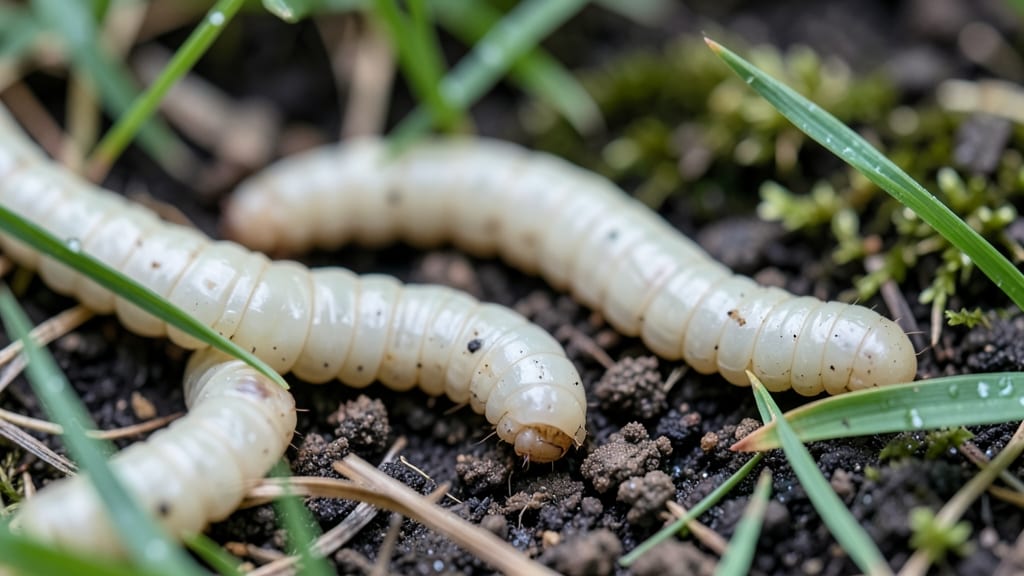
How to remove grubs from your lawn—turning your spongy mess into healthy turf—is easier than you think, and you can do it without harsh chemicals. I’ve pulled out hundreds of these white, C-shaped pests from my own yard, and once you see how they damage roots, you’ll never ignore the signs again: brown patches that feel soft underfoot, even when you water regularly.
Here’s the secret: grubs thrive in thick thatch and moist soil, but they hate sudden changes. A 3-step drench-and-flush—spraying with soapy water to expose them, raking to break their hiding spots, and flushing them out with a strong stream of water—gets them out fast.
It’s labor-intensive but beats chemical treatments that harm bees and beneficial insects. Plus, you’ll see results within 24-48 hours if you time it right.
What you’ll end up with is a lawn that holds its shape underfoot again, with fewer of those telltale patches where grass won’t grow. The key is acting fast—grubs do most of their damage in late summer to early fall, so don’t wait until winter to tackle them.
Think of it like a spring cleaning, but for your soil’s underground ecosystem.
This method works for all lawn types, from sunny backyards to shady patches, and pairs perfectly with prevention steps like overseeding and applying beneficial nematodes in spring. No more guessing—just a clear, step-by-step plan to get your lawn back in shape.
The Hidden Triggers Behind Grubs
Grubs—those squirming, C-shaped larvae of beetles—don’t just appear in your lawn out of nowhere. Their presence is the result of a mix of environmental factors, insect behavior, and even human activity.
Understanding why they thrive in your yard is the first step to stopping their damage before it starts. Let’s break down the real culprits behind grub infestations.
Grubs love lush, soft soil—almost like a five-star hotel for larvae. When your lawn gets too much water or excessive nitrogen-rich fertilizer, it creates the perfect breeding ground. Here’s why:
- Moisture Magnet: Grubs need damp soil to survive, and overwatering keeps the ground perfectly soggy for their development. Think of it like a sponge—too much water, and the sponge (your lawn) becomes a buffet for grubs.
- Fertilizer Feast: Nitrogen-heavy fertilizers encourage rapid grass growth, which attracts adult beetles (like Japanese beetles or June bugs) to lay eggs. More eggs = more grubs later.
- Thatch Buildup: Overwatering and poor drainage lead to thatch—a spongy layer of dead grass and roots. Grubs burrow into this layer, protected from predators and pesticides.
Actionable Insight: If your lawn stays consistently wet or you fertilize more than recommended, you’re basically rolling out the welcome mat for grubs. Adjust your watering schedule to 1–1.5 inches per week (including rain) and use a slow-release, balanced fertilizer to avoid nitrogen overload.
Grubs start as eggs laid by adult beetles, and these insects are highly selective about where they drop them. If your lawn has become a beetle hotspot, you’ll soon have a grub problem. Here’s how it happens:
- Beetle Preferences: Adult beetles (like Japanese beetles or chafers) are drawn to healthy, green lawns with broadleaf plants nearby. Roses, grapes, and even fruit trees can attract them, leading to egg-laying in your grass.
- Timing Matters: Most beetles lay eggs in late spring to early summer, when soil is warm and moist. A single female can lay up to 60 eggs in a week!
- Lighting & Landscaping: Outdoor lights (especially mercury vapor or white LEDs) attract night-flying beetles. Additionally, mulch or leaf litter near your lawn can provide shelter for these pests.
Actionable Insight: If you notice swarms of beetles in your yard or on nearby plants, act fast. Reduce nighttime lighting, remove mulch piles near grassy areas, and consider beetle traps (used sparingly) to catch adults before they lay eggs.
Grubs are temperature-sensitive, and they thrive in soil that stays consistently warm (60–80°F) and moist. If your lawn’s microclimate is ideal for them, you’ll see more grubs than usual. Here’s the science:
- Deep Soil Warmth: Grubs burrow 2–4 inches deep where soil stays warm year-round. In southern climates, they can survive multiple generations annually, while northern lawns may see one or two cycles.
- Drought Followed by Rain: A dry spell followed by heavy rain can trigger mass hatching. Grubs sense moisture and emerge to feed, often leading to sudden lawn damage (brown patches, spongy turf).
- Compacted Soil: Heavy foot traffic, machinery, or clay soil compresses the ground, creating pockets where grubs can hide from predators and pesticides.
Actionable Insight: If your lawn is in a warm, humid region, monitor soil moisture and avoid extreme fluctuations. Aerate compacted soil in fall to disrupt grub habitats and improve drainage.
Believe it or not, some common lawn care practices accidentally invite grubs. If you’ve been guilty of any of these, your yard might be a grub magnet:
- Skipping Mowing: Tall grass provides shade and moisture that grubs love. Adult beetles also prefer laying eggs in untidy lawns because they’re harder for predators (like birds) to spot.
- Ignoring Thatch: A thick thatch layer (over ½ inch) acts like a protective blanket for grubs. It blocks pesticides, retains moisture, and gives larvae a safe zone to feed.
- Using Broadleaf Herbicides: Some herbicides kill beneficial insects (like ground beetles and spiders) that eat grubs naturally. This leaves your lawn more vulnerable to infestations.
Actionable Insight: Mow regularly (but don’t scalp the grass), dethatch annually if needed, and choose selective herbicides that target weeds without harming predator populations.
Now that you know why grubs take over, the next step is how to kick them out—and we’ve got a natural, chemical-free method to do just that. Stay tuned!
Quick Fixes for Grub Infestations
Grubs wreaking havoc on your lawn? Don’t panic—there are effective, natural, and chemical-free ways to tackle them. Below, we’ll map the most common causes of grub damage to practical solutions, plus prevention tips to keep your yard healthy long-term.
Fix: Adjust your watering habits and improve soil aeration.
Grubs thrive in soggy, compacted soil, so if your lawn stays too wet, they’ll multiply like crazy. Here’s how to dry things out and make your yard less inviting:
- 🔥 Reduce Watering Frequency Water deeply 2-3 times per week (early morning) instead of daily light sprinkles. Aim for 1–1.5 inches per week—let the top inch of soil dry between waterings.
- 🍳 Improve Drainage with Sand or Compost If your yard has clay-heavy or compacted soil, mix in coarse sand or organic compost (2–3 inches deep) to help water drain faster. A core aerator (rent or buy) can also create channels for roots—and grubs—to escape.
- 👨🍳 Encourage Beneficial Microbes Apply a mycorrhizal fungus or beneficial nematodes (like Steinernema carpocapsae) to outcompete grubs naturally. These microscopic predators eat grubs alive without harsh chemicals.
Fix: Dethatch and overseed to break their cycle.
A thick thatch layer (that spongy stuff between grass and soil) traps moisture and organic matter—grub buffet central. Here’s how to starve them out:
- ⏰ Dethatch in Early Fall or Spring Use a manual dethatching rake or a vertical mower to remove ½ inch of thatch. Avoid doing this in summer heat—it stresses grass.
- 🔪 Overseed with Grub-Resistant Grass Plant tall fescue, perennial ryegrass, or Kentucky bluegrass—these varieties recover faster from grub damage. Avoid Bermuda or Zoysia if grubs are bad; they’re more vulnerable.
- 🌡️ Apply Corn Gluten Meal (Preventative) Sprinkle corn gluten meal (a natural pre-emergent) in early spring—it blocks grub eggs from hatching while feeding your lawn.
Fix: Clean up and disrupt their life cycle.
Leaves and grass clippings insulate grubs, keeping them cozy all winter. Break the cycle with these steps:
- 🍃 Rake Up Leaves & Clippings Remove all leaf litter from your lawn—grubs hibernate under them. Compost them instead of leaving them in piles.
- 🎯 Use Milky Spore or Beneficial Beetles Milky spore bacteria (Bacillus popilliae) is a long-term natural solution—it infects grubs and spreads in your soil. For faster action, release grub-eating beetles (Tachinid flies or Soldier beetles) in late summer.
- ✨ Try Neem Oil Spray (Early Intervention) A neem oil + water spray (1 tbsp neem oil per gallon) disrupts grub feeding and repels adult Japanese beetles (their parents). Spray in late summer before eggs hatch.
Prevention is way easier than treating an infestation. Here’s how to future-proof your lawn:
- 🔥 Mow High (3–4 inches) – Taller grass shades out weeds (which grubs love) and stays healthier. - 🌡️ Test Soil pH – Grubs hate slightly acidic soil (pH 6.0–6.5).
Add sulfur or peat moss if your soil is too alkaline. - 🎯 Plant Grub-Repelling Ground Covers – Clover, creeping thyme, or moss can crowd out grubs naturally. - 🚫 Avoid Over-Fertilizing – Too much nitrogen = soft, grub-friendly grass. Use a slow-release, organic fertilizer instead.
Final Thought: Grubs are annoying but beatable—especially with natural, low-effort fixes. Start with water adjustments + aeration, then overseed and overseed with grub-resistant grass. For bad infestations, nematodes or milky spore are your best bets.
Want a deeper dive? Check out our [step-by-step drench-and-flush method] for fast grub removal!
Frequently asked questions
How do I know if my lawn has grubs instead of other pests?
Look for soft, spongy patches that pull up easily (like a carpet) and brown grass blades that don’t recover after watering. Dig up a small section—if you find white, C-shaped larvae (1/4–1 inch long) feeding on roots, it’s grubs. They’re usually 2–4 inches deep in moist soil.
Can I use vinegar to kill grubs naturally?
No, vinegar won’t kill grubs—it’s too diluted when sprayed on lawns. Instead, use a soapy water spray (1 tbsp dish soap per gallon) to suffocate them temporarily before raking. For long-term control, focus on beneficial nematodes or milky spore bacteria, which actively hunt grubs.
Will my lawn recover after grub damage?
Yes! With proper care, your grass can bounce back. Overseed damaged areas with grub-resistant varieties (like tall fescue) and aerate to help roots re-establish. Avoid heavy foot traffic for 4–6 weeks to let new growth take hold. Most lawns show noticeable improvement within 3–4 months.
Are grubs harmful to pets or humans?
No, grubs aren’t dangerous to pets or people—they’re just lawn pests. However, some dogs might dig up grub-infested soil, so monitor them if they’re prone to eating dirt. For pets, focus on removing grubs to prevent lawn damage, not the grubs themselves.
How often should I check for grubs?
Inspect your lawn twice a year: once in late summer (when grubs are most active) and again in early fall (before they burrow deep). Look for soft patches or increased mole activity—moles eat grubs, so their tunnels can signal an infestation.