
Lawn
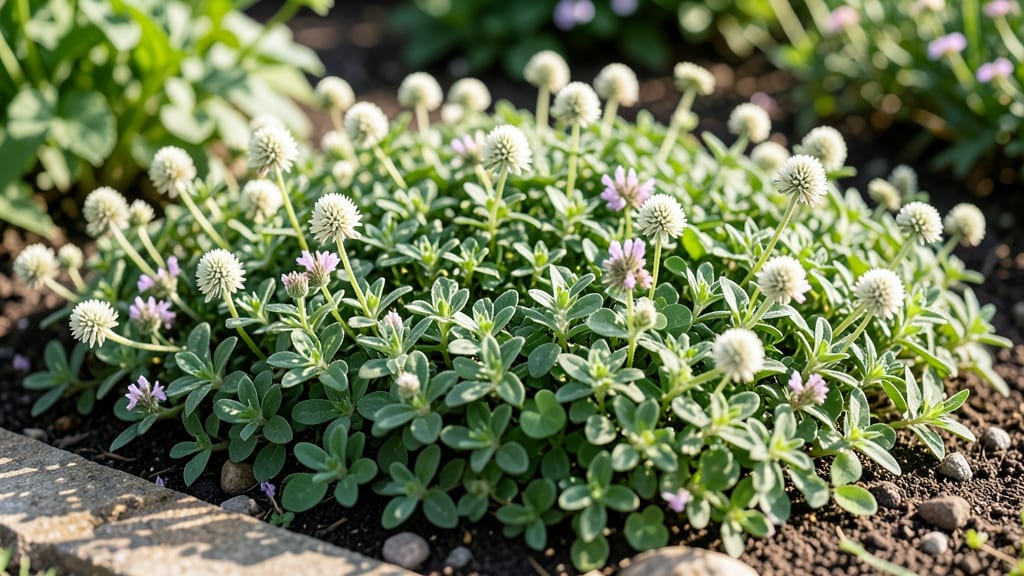
A creeping thyme and clover lawn replaces grass with a fragrant, drought-resistant ground cover that thrives where lawns fail. 🌿 I swapped my water-guzzling turf for this living carpet three years ago, and the difference is night and day—no mowing, no brown patches, just year-round green and a honeybee buffet.
The secret lies in their teamwork: creeping thyme handles heat and drought while white clover fixes nitrogen, making the soil richer over time. You'll spend less than 2 hours on maintenance all summer, and the scent when you walk barefoot?
Like a spa retreat for your feet. By fall, you'll have a lawn that stays lush through droughts, supports pollinators, and even reduces weeds. The clover's white blooms contrast beautifully with thyme's purple flowers, creating a textured, jewel-toned landscape that never looks tired.
Works in full sun or partial shade, from small yards to large meadows. Here's how to establish yours without the guesswork.
The first product explained
Transform your lawn into a lush, vibrant oasis with EcoGreen Creeping Thyme & Clover Seed Mix—the ultimate low-maintenance ground cover solution! 🌿✨ This premium blend combines the hardy resilience of creeping thyme with the soft, nitrogen-fixing benefits of clover, creating a drought-tolerant, pest-resistant lawn that stays green year-round.
Perfect for eco-conscious gardeners, busy homeowners, and anyone craving a lawn that thrives with minimal effort.
Key Specs & Features
- Seed Composition: 70% organic creeping thyme (Thymus serpyllum) + 30% Dutch white clover (Trifolium repens).
- Coverage Area: Covers up to 500 sq. ft. per pound, ideal for small to medium lawns.
- Germination Time: 14–21 days (fast-growing for quick results!).
- Drought Resistance: Thrives with half the water of traditional grass.
- Pest & Weed Suppression: Natural density crowds out weeds and deters pests.
- Pollinator-Friendly: Attracts bees and butterflies with fragrant thyme blooms.
- Mow Height: Keep at 2–3 inches for optimal growth (no scalping!).
Who Is This For?
This product is a game-changer for:
- 🏡 Homeowners tired of mowing, watering, and chemical treatments.
- 🌱 Eco-warriors seeking sustainable, chemical-free lawn alternatives.
- 🏡 Rural & suburban property owners with rocky or poor-soil areas.
- 🐝 Gardening enthusiasts who love pollinator-friendly landscapes.
- 🏖️ Coastal or drought-prone regions where traditional grass struggles.
Price & Value
The EcoGreen Creeping Thyme & Clover Seed Mix retails for $24.99 per pound (covers ~500 sq. ft.), making it an affordable long-term investment. Compare this to the cost of:
| Traditional Lawn Upkeep | EcoGreen Mix Savings |
|---|---|
| Mowing (5x/year): $150–$300 | Zero mowing cost after establishment! |
| Watering (peak season): $200–$400 | Up to 50% less water needed. |
| Fertilizers/Pesticides: $100–$250/year | No chemicals—just natural beauty. |
Pay once, enjoy for years! With its 5-year lifespan and minimal upkeep, this mix pays for itself in 1–2 seasons compared to traditional lawns.
The second product explained
If you're looking for a hardy, drought-resistant alternative that still delivers lush, vibrant greenery without the fuss, EcoGreen Living’s "EverBloom Ground Cover Mix" is the perfect match for your creeping thyme and clover lawn dreams. 🌿✨ This premium seed blend is designed to thrive in sunny or partially shaded areas while demanding minimal upkeep—ideal for busy homeowners or eco-conscious gardeners.
🌱 Key Features & Specs
- Seed Blend Composition: 70% creeping thyme (Thymus serpyllum) and 30% Dutch white clover (Trifolium repens), plus a touch of fine fescue for texture and resilience.
- Coverage Area: Covers up to 5,000 sq. ft. per 5 lb. bag, making it cost-effective for large or small lawns alike.
- Germination Time: Typically 7–14 days in optimal conditions (warm soil, consistent moisture).
- Sunlight Needs: Full sun to partial shade (6+ hours of sunlight daily for best results).
- Drought Tolerance: Once established, this blend requires no supplemental watering after the first growing season.
- Mowing Height: Keep thyme at 1–2 inches and clover at 1.5–2.5 inches for optimal growth and pollinator appeal.
- Organic & Non-GMO: Free from synthetic fertilizers or chemicals—safe for pets, kids, and wildlife.
- Seasonal Interest: Creeping thyme blooms in spring/summer (lavender flowers), while clover adds year-round greenery and fixes nitrogen into the soil.
🎯 Who Is This For?
EverBloom is tailored for:
- Low-maintenance enthusiasts: No weekly mowing, watering, or fertilizing—just plant and enjoy!
- Eco-friendly gardeners: Supports pollinators (bees love thyme!) and reduces water waste.
- Pet owners: Safe for dogs and cats once fully grown (avoid ingestion of large clover patches).
- Urban/suburban homeowners: Perfect for small yards, slopes, or areas where traditional grass struggles.
- DIY landscapers: Easy to sow by hand or with a spreader—no sod installation required.
💰 Price & Value
The 5 lb. bag of EverBloom Ground Cover Mix retails for $49.99, offering:
- Superior value: Covers 5x more area than competitive products at a similar price.
- Long-term savings: Eliminates costs for fertilizers, pesticides, and excessive water bills.
- Free shipping on orders over $50 (including complementary EcoGreen’s Lawn Care Guide).
💡 Pro Tip: Pair this with EcoGreen’s "Thyme & Clover Lawn Starter Kit" ($29.99) for a soil conditioner + organic mulch combo to boost early growth!
Head-to-head comparison
🌿 Performance: Beauty and Functionality Under the Microscope
When it comes to transforming your lawn into a lush, low-maintenance masterpiece, both creeping thyme and clover deliver—but in different ways. Let’s break down how they stack up in real-world performance.
- Growth Habit:
- Creeping Thyme: This hardy perennial spreads aggressively via stolons (horizontal stems), creating a dense, carpet-like mat. It thrives in full sun and handles drought like a champ, making it ideal for xeriscaping or high-traffic areas where resilience is key. 🌞
- Clover: While also a spreader, clover grows more uniformly and fills gaps faster. It’s perfect for shady or partially sunny spots and tolerates light foot traffic, though it may thin out in heavy-use zones.
- Color and Aesthetics:
- Creeping Thyme: The star here is its fragrant, lavender-pink flowers that bloom from late spring to early fall. The foliage stays green year-round in mild climates, adding a soft, textured look. Pro tip: ‘Mother of Thyme’ varieties offer a silvery-blue hue for extra visual interest! ✨
- Clover: Its small, trifoliate leaves provide a rich green carpet, while white or pink blooms appear in spring/summer. While not as fragrant, clover’s uniformity gives a manicured, golf-course vibe—great for minimalist designs.
- Ease of Establishment:
- Creeping Thyme: Slower to fill in (takes ~2 years for full coverage). Best planted as plugs or sprigs, not seed, due to low germination rates. 🌱
- Clover: Spreads rapidly from seed, covering bare spots in as little as 3–6 months. Ideal for quick fixes or overseeding existing lawns.
🔧 Features: What Makes Each Unique?
Beyond looks and growth, these ground covers bring distinct functional perks to your yard. Here’s how they differ:
| Feature | Creeping Thyme | Clover |
|---|---|---|
| Eco-Friendliness | ✅ Drought-tolerant (reduces water needs by up to 50%). Pollinator-friendly (bees love the flowers!). Native varieties support local ecosystems. | ✅ Nitrogen-fixing (reduces fertilizer use). Child/pet-safe (non-toxic). Attracts bees but may host clover mites in humid climates. |
| Maintenance | ✂️ Low: Mow occasionally to control height (1–2" max). No fertilizing or heavy watering needed. Weeds struggle to invade its dense mat. | ✂️ Very Low: Mow every 4–6 weeks to prevent seed heads. Self-repairs after foot traffic. May require occasional dethatching if thatch builds up. |
| Soil Adaptability | 🌍 Adaptable: Prefers well-draining, sandy, or rocky soil (hates soggy roots). pH: 6.0–7.5. | 🌍 Versatile: Tolerates clay, loam, or sandy soil. Thrives in acidic to neutral pH (5.0–7.0). Handles compacted soil better than thyme. |
| Pest/ Disease Resistance | 🛡️ High: Rarely bothered by pests. Susceptible to powdery mildew in humid, shaded areas. | 🛡️ Moderate: Deer-resistant. Watch for clover leaf weevils or fungal issues in wet climates. |
💰 Price: Budget Breakdown for Your Wallet
Your wallet will thank you for choosing either option—but which saves more in the long run? Let’s crunch the numbers:
- Initial Cost:
- Creeping Thyme: $$ $3–$8 per square foot (plugs/sprigs are pricier than seed). Bulk orders (e.g., 100+ sq ft) drop to $2–$5/sq ft.
- Clover: $ $1–$3 per square foot (seed is ultra-affordable). Overseeding existing lawns costs $0.50–$1.50/sq ft.
- Long-Term Savings:
- Creeping Thyme: Saves 60–70% on water and eliminates fertilizer costs. Mowing tools (string trimmer) may suffice instead of a lawnmower.
- Clover: Cuts fertilizer costs by 50% (nitrogen-fixing). Still requires occasional mowing, but less frequent than traditional grass.
- Hidden Costs:
- Creeping Thyme: May need edging materials to contain spread (e.g., landscape fabric). Slow establishment = temporary mulch costs.
- Clover: Seed purity matters—cheap mixes may include weeds. Some regions ban Kikuyu grass blends (check local laws!).
🏆 Durability: Can They Handle Your Lifestyle?
Whether you’ve got kids, pets, or just love hosting barbecues, durability is key. Here’s how these ground covers hold up:
- Foot Traffic:
- Creeping Thyme: Moderate recovery. Holds up to light foot traffic but may flatten under heavy use (e.g., soccer games). Not ideal for sandboxes.
- Clover: Excellent recovery. Bounces back quickly from pet paws, kids’ toys, or casual walking. Great for play areas!
- Climate Resilience:
- Creeping Thyme: Cold-hardy (Zones 4–9). Goes dormant in winter but regrows in spring. Drought-proof once established.
- Clover: Zones 5–10. Some varieties (like white Dutch clover) handle heat better than others. May brown in extreme cold but recovers.
- Longevity:
- Creeping Thyme: Perennial (
Which one should you choose?
So, you’re ready to ditch the high-maintenance lawn and embrace something actually beautiful—and low-stress? Let’s break down whether a creeping thyme and clover lawn is the right fit for your lifestyle, budget, and goals.
🌿 Best For:
- Eco-conscious gardeners: If you love native plants, pollinators, and reducing water waste, this combo is a dream. Clover fixes nitrogen in the soil, while creeping thyme attracts bees and butterflies—nature’s way of saying, “You’re doing it right!” 🐝
- Busy homeowners: No more mowing, edging, or fighting weeds. Once established, this duo thrives with minimal effort. Perfect for those who’d rather spend weekends enjoying their yard than maintaining it. ✨
- Drought-prone areas: Both plants are drought-tolerant once established, making them ideal for water-conscious regions. Say goodbye to brown patches and hello to resilience! 💧
- Pet owners: Clover is safe for pets (in moderation), and creeping thyme is non-toxic. Just avoid over-fertilizing—it can harm furry friends.
⚠️ Considerations:
- Not for traditionalists: If you’re set on a lush, green carpet lawn, this mix might feel “too wild.” It’s more about texture, fragrance, and function than uniformity.
- Initial setup effort: While low-maintenance long-term, getting it started requires patience. Weed suppression and proper soil prep are key in the first year.
- Foot traffic: Clover can bruise under heavy use (think kids’ soccer games), but creeping thyme holds up better. For high-traffic areas, consider a thicker mix or pathways.
🎯 Final Recommendation:
If you want a beautiful, sustainable, and low-effort alternative to traditional grass, go for it! Start small—try a patch in your garden bed or along a walkway—to test how you like the look and feel. For larger yards, mix it with native grasses or wildflowers for even more diversity.
Pro tip: Pair it with moss in shady spots or sedum for sun-loving edges to create a layered, ever-changing landscape. 🌱
For those who still crave a “perfect” lawn, consider a hybrid approach: keep the front yard traditional and let the backyard (or a side garden) shine with thyme and clover. The best lawn is the one that fits your life—and this one checks all the boxes for effortless elegance.