
Lawn
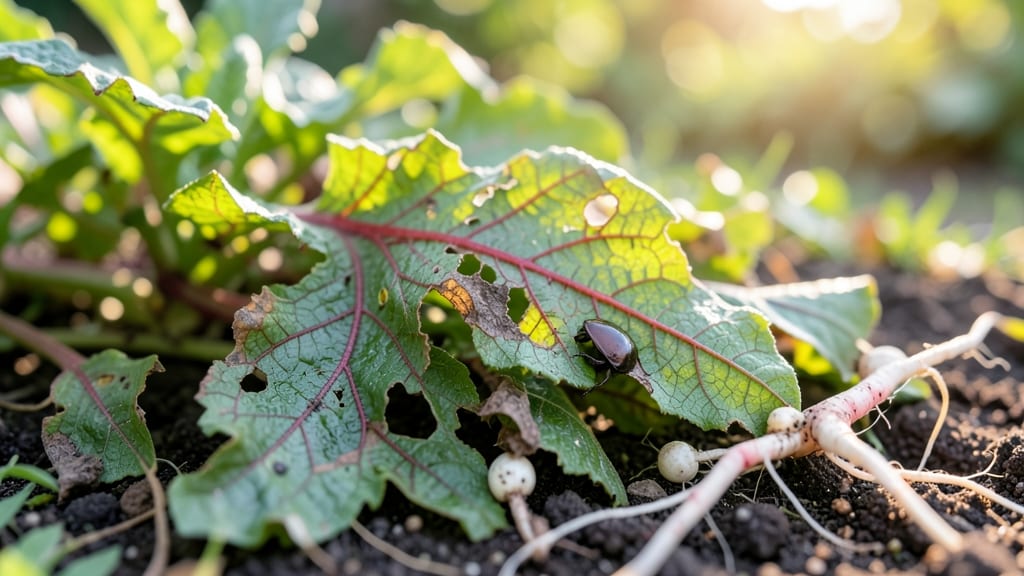
The damage from Japanese beetles can turn your lawn into skeleton grass overnight—those skeletal brown patches are their calling card. 🌱 I’ve battled them for years, and the key to stopping them fast lies in a mix of organic traps, targeted sprays, and a few sneaky lawn-care tweaks that make your grass less appealing to them.
The damage happens when beetles chew grass blades down to the stubble, leaving behind a patchwork of dead spots that spread like wildfire.
But here’s the good news: neem oil sprays and milky spore treatments work faster than you’d think—within 3-5 days of consistent application, you’ll see new growth pushing through. The secret? Timing and persistence.
You’ll reclaim your lawn by mid-summer if you act now, with fewer brown patches and more thick, beetle-resistant grass. The best part? These methods keep your yard safe for kids and pets while actually improving soil health over time.
For long-term results, focus on strong turf—overseeding with millet or clover distracts beetles from your prized grass. Let’s get your lawn back to lush in no time.
Root Causes Of Lawn Damage
Japanese beetles may seem like harmless, iridescent intruders, but their appetite for your lawn can turn a lush green space into a skeleton in just days. Understanding why these pests target your grass—and how they wreak havoc—is the first step to stopping them.
Here’s a breakdown of the science behind their destructive behavior.
Japanese beetles don’t just chew leaves—their larvae, called grubs, are the real underground troublemakers. These white, C-shaped larvae thrive in moist soil, where they feed on grass roots and organic matter. When grub populations explode (often due to warm, wet conditions), they strip lawns of their root systems, causing:
- Thinning patches – Roots can’t support the grass blades above.
- Easy pull-up – Turf lifts like a carpet when tugged (a classic grub damage test).
- Drought sensitivity – Without roots, grass wilts faster in heat.
Why it happens: Grubs prefer cool-season grasses (like Kentucky bluegrass and fescue) and are most active in late summer to early fall, when soil temps hover between 70–85°F. Overwatering or heavy organic mulch (like leaves) creates the perfect breeding ground.
Once grubs mature, they pupate and emerge as adult beetles—and these metallic-green invaders have a voracious appetite for above-ground plant matter. They don’t just nibble; they skewer leaves with their scissor-like jaws, leaving behind:
- Lacy, shredded edges – A telltale sign of beetle activity.
- Defoliation – Heavy infestations strip grass of chlorophyll, turning it brown.
- Stunted growth – Beetles target new shoots, weakening the lawn’s recovery.
Why it happens: Adults are drawn to stressed or healthy lawns alike, but they prefer grasses with high nitrogen content (like newly fertilized lawns). Their feeding peaks in June–August, when they’re most active during sunny, warm days (80°F+).
Japanese beetles thrive in specific environmental conditions, and your lawn’s health can either repel them or make it a buffet. Key triggers include:
| Factor | How It Helps Beetles |
|---|---|
| Warm, humid summers | Accelerates grub growth and adult beetle activity. Ideal in USDA Zones 5–10. |
| Compacted or waterlogged soil | Grubs can’t pupate properly, leading to higher survival rates. |
| Excess organic matter (leaves, grass clippings) | Provides food for grubs and shelter for adults. |
| Lack of natural predators (birds, toads, parasitic wasps) | Without checks, beetle populations explode in 2–3 years. |
Why it happens: Urban sprawl and monoculture lawns (single grass species) reduce biodiversity, removing the beetles’ natural enemies. Additionally, over-fertilization with nitrogen makes grass more palatable to adults.
💡 Pro Tip: If your lawn has thin patches that pull up easily, dig a small section—if you find white grubs ½–1 inch long, that’s your culprit. Adult beetles? Look for skeletonized leaves and chewed fruit trees nearby.
Quick Fixes for Beetle-Battered Grass
Japanese beetles may look harmless with their shiny green and copper bodies, but their appetite for lawns is anything but. The good news? You can fight back—without resorting to harsh chemicals.
Below, we’ll match the cause of your lawn’s damage to the best solution, plus some pro tips to keep those striped invaders at bay for good.
Fix: Handpick & Replace If you spot chewed grass blades but your lawn still has some green, act fast before the beetles move on.
- 🔥 Step 1: Handpick the Beetles
- Grab a bucket of soapy water (1 tbsp dish soap + 1 gallon water) and shake beetles off grass blades into it. Pro tip: Do this in the early morning when they’re sluggish.
- ⏰ Time: 10–15 minutes per section.
- 🍳 Step 2: Revive the Grass
- Rake away fallen frass (beetle poop) to reduce disease risk.
- Water deeply (1 inch) to help roots recover. Overwatering later? No—beetles love soggy grass!
- 🌱 Step 3: Fill Bare Spots
- Sprinkle grass seed or sod patches in damaged areas. Choose tall fescue or perennial ryegrass—they’re beetle-resistant.
Fix: Traps + Organic Sprays When beetles have stripped your lawn of green, combine physical removal with natural deterrents.
- 👨🍳 Step 1: Set Up Japanese Beetle Traps - Place pheromone traps (like the Spectracide Japanese Beetle Trap) 10+ feet from your lawn—traps near grass attract more beetles! - ✨ Pro Tip: Use milk jug traps (fill with beer or soapy water) as a cheaper alternative.
Bury the jugs neck-down in the soil.
- 🥘 Step 2: Spray with Organic Repellents - Neem oil spray (1 tbsp neem oil + 1 quart water + 1 tsp soap) disrupts their feeding.
Spray evenings to avoid harming bees. - Kaolin clay (like Surround WP) creates a protective film on grass, making it unappetizing. Reapply after rain.
- 🔪 Step 3: Encourage Natural Predators
- Birds, toads, and beneficial nematodes (Heterorhabditis bacteriophora) eat beetle grubs. Buy nematodes online and apply in early summer when grubs hatch.
Fix: *Rebuild & Prevent If your lawn is mostly brown, focus on repairing the soil and blocking future beetles.
- 🌡️ Step 1: Aerate & Overseed
- Rent a
- Spread high-quality seed (like Sun & Shade Mix) and compost to boost recovery.
- Lay
Even after treating your lawn, stop beetles before they return with these easy habits:
- 📅 Monthly inspections: Check for eggs (tiny white clusters in soil) in June–July.
- 🚫 Avoid peak hours: Beetles are most active 10 AM–4 PM—that’s when they’re easiest to spot and remove.
- 🌿 Keep your lawn healthy: Strong grass = less appealing to beetles. Fertilize in early spring with slow-release organic options.
- 🍺 Skip the beer traps near grass:** They attract more beetles—save them for far from your yard.
Final Thought: Japanese beetles are a nuisance, but with quick action + smart prevention, your lawn can bounce back—without chemicals. Start with the fixes that match your damage level, then lock in those long-term habits. Your grass (and sanity) will thank you! 🌿💪
Frequently asked questions
How do I tell if my lawn damage is from Japanese beetles or grubs?
Look for skeletonized grass blades (leaves with lacy holes) for adult beetles, or thin patches that pull up easily for grubs. Dig up a small section—if you find white, C-shaped larvae ½–1 inch long, those are grubs. Adult beetles leave behind chewed leaves and frass (poop) on blades.
Are Japanese beetle traps worth it, or do they make the problem worse?
Traps can backfire if placed near your lawn—they attract more beetles! Use them 10+ feet away or opt for milk jug traps (bury neck-down with beer/soapy water). For organic control, neem oil sprays or kaolin clay work better without luring pests.
Can I use neem oil if I have pets or kids around?
Yes, but apply it evenings to avoid harming bees. Neem oil is pet-safe once dry—just keep pets off treated areas for 24 hours. For extra safety, use kaolin clay (like Surround WP), which creates a protective film on grass without chemicals.
Why do Japanese beetles target my lawn even after treatment?
Beetles return if your lawn is stressed or over-fertilized. Focus on mowing high (3–4 inches), aerating compacted soil, and planting beetle-repelling ground covers (catnip, tansy). Avoid broadleaf plants nearby—they’re beetle magnets! Check for hidden eggs in soil during June–July.
How long does it take to see results from organic treatments?
With consistent application, you’ll see new grass growth in 3–5 days from neem oil or kaolin clay. For grubs, beneficial nematodes take 2–4 weeks to work. Milky spore (a natural bacteria) builds up over 2–3 years but provides long-term grub control. Patience is key!