
Lawn
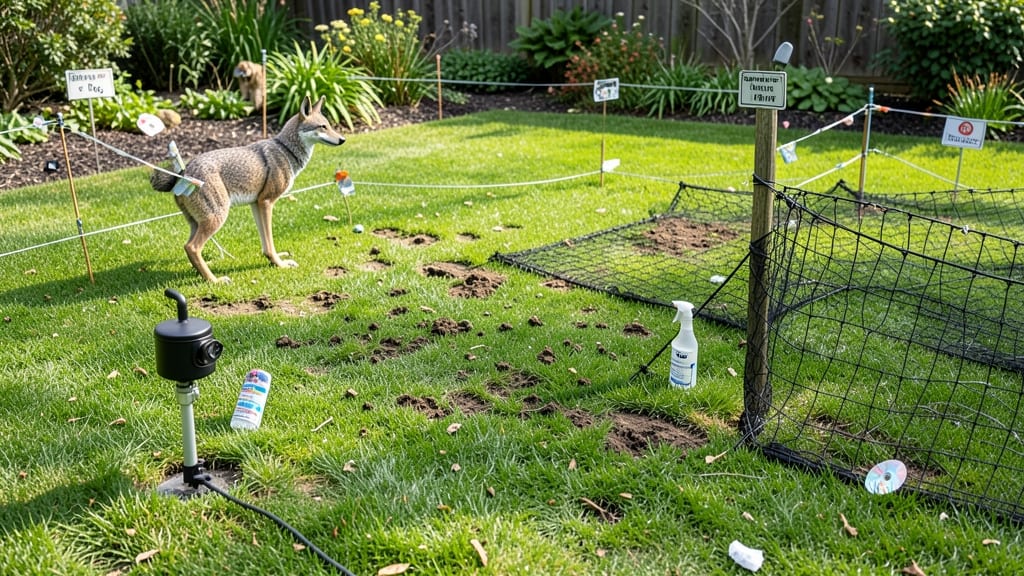
How to keep geese off the lawn—turning your muddy grazing ground back into a pristine yard? 🌱 I’ve battled these feathered lawnmowers for years—and finally cracked the code with humane barriers that actually work without harming them (or your wallet). The key is combining visual deterrents with subtle landscaping tweaks. Plastic predator birds, floating row covers, and even strategically placed shrubs create just enough discomfort that geese move on. No more waking up to trampled grass or droppings everywhere. Within 2-3 weeks, you’ll see the difference: fewer honks, fewer footprints, and a lawn that stays green. The best part? These methods keep working season after season with minimal upkeep. Works for yards of any size, from suburban backyards to rural acres. Let’s get your grass back—and keep those geese where they belong!
📚 In This Guide
- What you need
- Instructions
- Tips and common mistakes
- Wrapping up and next steps
What you need
- ● Reflective tape or old CDs: 50–100 feet (depending on lawn size) – cut into strips or use whole discs for extra sparkle!
- ● Plastic bottles: 10–20 empty, clean bottles (2-liter size works best) – fill with pebbles or water for weight.
- ● Stakes or flags: 10–15 wooden or metal stakes (6–12 inches long) – for securing barriers.
- ● String or twine: 50–100 feet – to create tension lines for hanging items.
- ● Motion-activated sprinkler: 1–2 units – battery-operated for easy setup (e.g., Orbit Enforcer).
- ● Wire fencing or chicken wire: 50–100 feet (if geese are persistent climbers) – bury 6–12 inches deep to block digging.
- ○ PVC pipes (optional): 3–5 sections (4–6 feet long) – for DIY "goose-proof" tunnels or wind chimes.
- ● Dog or cat hair (free!):strong> – Collect from a groomer or brush your pet—geese hate the smell!
- ● Predator decoys: Fake owls or hawks (1–2 units) – move them weekly to keep geese guessing.
- ● Ultrasonic repellent: 1 device – plug-in or solar-powered for sound-based deterrence.
- ● Compost or coffee grounds: Small bags – scatter near problem areas (geese dislike the smell!).
- ● Spray bottle with vinegar/water mix: – For marking "no-go" zones (geese avoid new scents).
Step-by-Step guide to creating humane goose deterrents
Here's how I've successfully kept geese from turning my lawn into a muddy mess—without harming them or breaking the bank.
🪴 Step 1: Install Physical Barriers at Entry Points
Geese target the easiest access points, so block those first. I use 3-foot tall poultry wire (sturdy but flexible) stretched between T-posts spaced 4 feet apart. Bury the wire 6 inches deep to prevent digging underneath—geese are clever diggers. For waterfront properties, extend the barrier 2 feet into the water since they often wade in before landing.
Real talk: Geese will test the barrier for days. If you see them circling or honking near it, reinforce weak spots immediately. I add extra posts at corners where they might try to squeeze through. The goal is to make your lawn feel like a fortress, not a buffet.
🌱 Step 2: Create Visual and Auditory Deterrents
Geese rely on routine, so disrupt their patterns with reflective tape or old CDs strung between posts at head height. The flashing light scares them off without harm. I also place predator decoys—like a large plastic owl or coyote—near their favorite loitering spots. Move these decoys every 3-4 days so geese don’t get used to them.
Add wind chimes or radio noise (set to talk radio or nature sounds) near entry points. Geese are sensitive to unfamiliar sounds, and this mimics a human presence. I keep a wind-powered chime running 24/7—it’s low-maintenance and effective. The key is consistency; if they learn the noise is harmless, they’ll ignore it.
☀️ Step 3: Use Motion-Activated Sprinklers
Install motion-activated sprinklers (like ScareCrow) around the perimeter of your lawn. Set them to short, sudden bursts when triggered—geese hate the surprise. I place them 10 feet apart along the property line, ensuring full coverage. These sprinklers work best when paired with other deterrents, as geese may ignore them alone after a few days.
Test the sprinklers before geese arrive to ensure they’re working. A weak spray won’t deter them, so check the water pressure and range. If your lawn is large, add solar-powered models for easy placement. The sudden water spray mimics a predator attack, and geese will avoid the area quickly.
✂️ Step 4: Modify the Lawn’s Appeal
Geese love short, soft grass—so make your lawn less inviting. Mow it taller (3-4 inches) to discourage grazing, and aerate the soil to make it less comfortable for them to walk on. I also sprinkle coarse sand or gravel in high-traffic areas; the gritty texture makes standing unpleasant. Avoid chemical repellents—they can harm pets and the environment.
Plant thorny shrubs like roses or barberry along the property line. Geese avoid areas with sharp obstacles, and the plants add a natural barrier. Just ensure the shrubs aren’t toxic to local wildlife. Over time, geese will learn to avoid your lawn entirely if it feels unwelcoming.
🌿 Step 5: Maintain and Reinforce Deterrents Weekly
Check your barriers, sprinklers, and decoys every 7 days—geese are persistent, and they’ll exploit any weakness. Replace reflective tape if it fades, refill sprinkler reservoirs, and rotate decoys to keep them effective. I keep a weekly log of goose activity near my property line to spot patterns. If you notice them testing a specific area, reinforce it immediately.
Here’s the thing—geese are smart, and they’ll adapt if you’re inconsistent. Combine physical barriers, visual deterrents, and auditory scares for the best results. Within 2-3 weeks, they’ll usually find an easier target elsewhere. Stay patient, and your lawn will stay goose-free season after season.
Tips & tricks for effective goose deterrents
Between us, geese are clever—they'll find your weak spots if you're not prepared. Here's what I've learned from years of testing these methods in my own yard.
Barrier Reinforcement: In Step 1, when installing your 3-foot tall poultry wire, focus on securing the corners first. Geese will test these weak points by circling and honking—add extra T-posts at any corner where the wire might sag. I've seen geese try to squeeze through gaps as small as 6 inches, so bury that wire deep and check for any sagging after installation. The goal is to create a continuous barrier they can't navigate around.
Visual Deterrent Placement: For Step 2, position your reflective tape or CDs at exactly head height—about 3 feet off the ground. Geese have excellent peripheral vision, so place these deterrents where they'll catch the light at different angles throughout the day. I've found that stringing them in a zigzag pattern between posts creates more movement and disruption. Rotate decoys every 3-4 days as instructed, but also move them to new locations every few weeks to prevent geese from becoming accustomed to their placement.
Sprinkler Strategy: When setting up motion-activated sprinklers in Step 3, space them 10 feet apart but position them slightly offset from your property line. Geese often approach from an angle, so having sprinklers cover areas beyond just the perimeter increases effectiveness. Test each sprinkler's range before installation—some models have weak spray patterns that won't deter geese. I've had success with solar-powered models that don't require electrical connections, making them easier to place in various locations.
Lawn Maintenance Secret: In Step 4, when modifying your lawn's appeal, focus on creating discomfort rather than just changing the height. I've found that sprinkling coarse sand in a 2-foot wide band along the property line creates an effective barrier geese won't cross. The texture change is subtle enough not to look unnatural but uncomfortable enough to deter them. Combine this with your taller grass and you'll create a multi-sensory deterrent that works on both visual and tactile levels.
Pro Tips for Keep Geese Off The Lawn
- Between us, geese are clever—they'll find your weak spots if you're not prepared.
- Barrier Reinforcement: In Step 1, when installing your 3-foot tall poultry wire, focus on securing the corners first.
- Visual Deterrent Placement: For Step 2, position your reflective tape or CDs at exactly head height—about 3 feet off the ground.
Frequently asked questions
Got questions about keeping geese off your lawn without harming them? You’re not alone—here are some of the most common concerns and practical solutions to tackle them head-on.
What’s the fastest way to deter geese from my lawn?
For immediate results, try a combination of visual deterrents (like reflective tape or scare balloons) and motion-activated sprinklers. Geese dislike surprises—these methods work in days to weeks. Consistency is key, so keep them up for at least 2–3 weeks to break their habit.
Will humane deterrents damage my grass?
Most humane methods—such as plastic predator decoys, grass flags, or ultraviolet light deterrents—are completely safe for your lawn. Avoid harsh chemicals or physical barriers that could compact soil or harm plants. Always opt for non-toxic, eco-friendly solutions!
How long does it take to see results?
With daily use, you’ll often notice a drop in geese activity within 3–7 days. However, full deterrence may take 2–4 weeks, especially if the geese have been grazing for months. Patience pays off—stick with it, and they’ll eventually seek greener pastures elsewhere!
Are there affordable DIY solutions?
Try these budget-friendly options:
- Reflective CD wind spinners ($5–$10): Hang old CDs on strings—they flash in the sun like a disco party geese hate.
- DIY motion-activated spray bottles ($15–$20): Repurpose old spray bottles with water and a motion sensor for a gentle scare.
- Poultry netting ($20–$50): Stretch lightweight netting over small areas for a physical (but temporary) barrier.
What if the geese keep coming back?
If geese return after trying deterrents, they may have found a new food source (like nearby ponds or seed heads). Expand your barriers to cover their entire route, and consider removing attractants (e.g., overwatering, fallen fruit, or pet food). For stubborn flocks, a professional wildlife consultant can assess their habits and suggest targeted solutions.
Are there legal restrictions on goose deterrents?
Always check local regulations before using deterrents—some areas prohibit certain methods (like noise-makers or traps) during nesting seasons (March–August). Humane visual or motion-based deterrents are usually permitted year-round. When in doubt, contact your city’s animal control or wildlife agency for guidance.
Wrapping up and next steps
Keeping geese off your lawn doesn’t have to be a battle—just a strategic, humane effort! 🦢❌ By combining visual deterrents, natural repellents, and consistent maintenance, you’ll reclaim your green space in weeks. Remember, patience and persistence are key, but the results will be worth it.
Ready to take action? Start by picking one or two methods from this guide and implement them today. Monitor progress, adjust as needed, and soon, you’ll be enjoying your lawn goose-free! 🌿💪