
Lawn
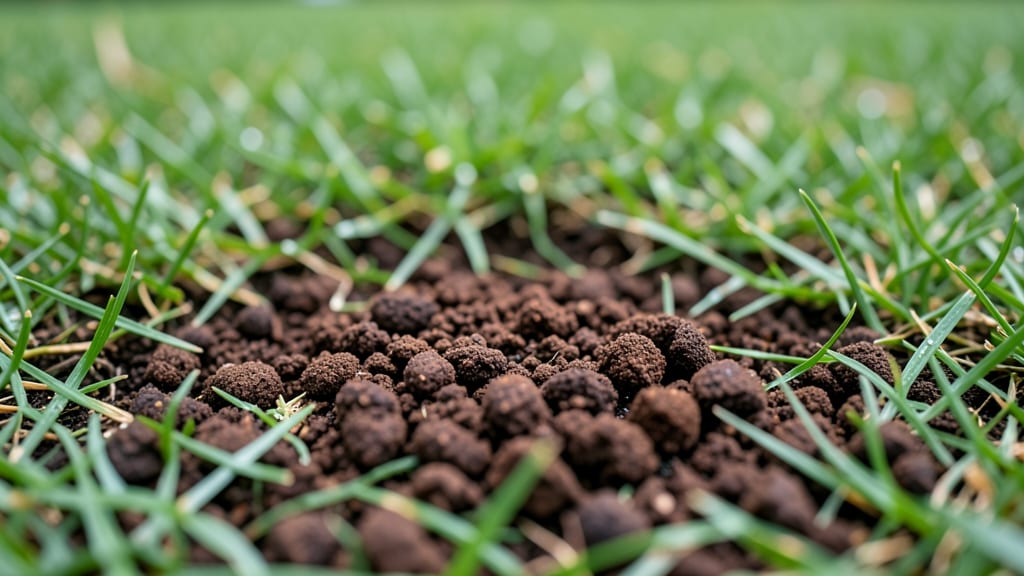
Sprinkling coffee grounds on lawn does keep some bugs away thanks to their caffeine content and acidic properties, but it’s not a universal bug deterrent and may harm grass if overapplied. Effectiveness depends on soil conditions and the specific insects in your yard.
Does sprinkling coffee grounds on lawn keep bugs away? Yes, but selectively—coffee grounds work best against soft-bodied pests because the caffeine disrupts their nervous systems, while the acidity alters soil pH, creating an inhospitable environment for slugs, snails, and ants. 🔥 However, this method won’t stop hard-shelled insects like beetles or grubs, and overuse can make soil too acidic for grass roots. I recommend mixing grounds into mulch or compost piles rather than scattering them directly on lawns to minimize risks.
For best results, apply a thin layer (½ inch) around garden edges or under shrubs where pests hide, and reapply every 4-6 weeks. Pair this with other natural deterrents like diatomaceous earth or nematodes for comprehensive pest control.
Always test a small area first—some plants, like azaleas, thrive in acidic soil, while others may suffer.
💡 In This Article
- How Coffee Grounds Repel Pests: Science Behind the Deterrent
- Practical Tips for Using Coffee Grounds in Lawn Care
How coffee grounds repel pests: science behind the deterrent
The caffeine in coffee grounds acts as a natural insect repellent by disrupting the nervous systems of soft-bodied pests. For example, slugs and snails—common lawn nuisances—have permeable skin that absorbs caffeine, causing paralysis or death in high concentrations.
Studies show that even diluted coffee solutions can reduce slug activity by up to 70% within 24 hours of application. 🔥 The tannins in coffee also create a bitter scent that repels ants, whose antennae detect these compounds as a warning signal.
Beyond caffeine, coffee grounds lower soil pH, creating an environment hostile to many pests. Most lawn grasses prefer a neutral pH of 6.0-7.0, but coffee grounds can drop pH to 5.0-5.5, which deters fungi like mold and insects that thrive in alkaline conditions.
However, this acidity can harm grass roots if overapplied, especially in clay-heavy soils where drainage is poor. The granular texture of grounds also physically disrupts insect movement, making it harder for pests to navigate treated areas.
Not all bugs are affected equally—hard-shelled insects like beetles or grubs remain unaffected because their exoskeletons block caffeine absorption. Similarly, earthworms, which aerate soil, are generally safe because they avoid the surface layers where grounds are applied.
The key is targeting pests with exposed nervous systems or those sensitive to environmental changes, like slugs and ants, while monitoring grass health for signs of stress like yellowing or stunted growth.
For maximum effectiveness, combine coffee grounds with other natural deterrents. For instance, mixing them with crushed eggshells (which deter slugs physically) or diatomaceous earth (which dehydrates soft-bodied insects) creates a multi-layered defense.
Always use dried, used grounds—fresh coffee contains oils that can clump and suffocate soil microbes, further harming lawn ecosystems. 💫
Soil type plays a critical role in how long the repellent effect lasts. In sandy soils, grounds break down quickly (within 2-4 weeks), requiring reapplication, while loamy soils retain their acidity longer.
Conduct a simple pH test before applying: if your soil is already acidic (below 6.0), coffee grounds may do more harm than good to your grass. For alkaline soils (above 7.0), a light application can be beneficial without risking over-acidification.
What most gardeners overlook is the role of microbial activity. Coffee grounds introduce beneficial fungi and bacteria that compete with pest-attracting microbes, but this takes time—typically 4-6 weeks to establish. During this period, pests may actually increase as the microbial balance shifts.
Patience and consistency are key: sporadic applications yield temporary results, while regular, moderate use builds long-term pest resistance in your lawn ecosystem.