
Lawn
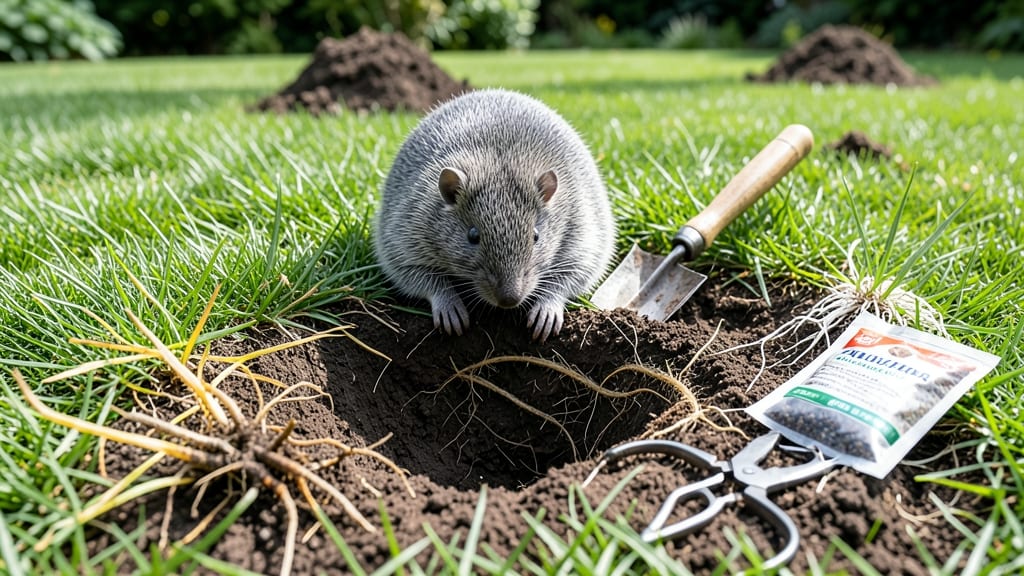
Burrowing lawn pests turn your yard into a maze of tunnels and molehills, but I’ve found a natural barrier method that stops them without chemicals. 🌱 After years of patchy lawns and failed traps, I finally cracked the code—layering physical barriers, plant deterrents, and soil adjustments to create an environment these pests can’t tolerate.
The key is understanding their behavior and outsmarting them before they dig in.
Most damage comes from grubs, moles, or gophers, each with different habits. Grubs chew roots silently until the grass yellows, while moles and gophers create visible tunnels and mounds. The solution isn’t just repelling them—it’s making your lawn less appealing to begin with.
Healthy grass with deep roots gives pests nothing to eat, and strategic barriers (like castor oil-based sprays or hardware cloth) block their access without harming the environment.
By the end of this process, you’ll have a lawn that stays tunnel-free and thriving. The barriers last for seasons, and the soil improvements mean stronger grass that naturally resists pests.
No more digging up molehills or patchy dead spots—just a yard that looks and feels intact, no matter what’s burrowing below.
This method works for all lawn types, whether you’re dealing with a small backyard or a large property. The tools are simple, the steps are straightforward, and the results are long-lasting. Let’s get your lawn back to its best—and keep it that way.
The Hidden Triggers Behind Lawn Diggers
If your lawn looks like it’s been attacked by tiny, relentless construction crews, you’re not imagining things—burrowing pests are at work. But why do they choose your yard as their personal excavation site? The answer lies in a mix of environmental cues, plant chemistry, and even human habits.
Understanding these triggers is the first step to outsmarting them. Let’s dig into the science—and the sneaky reasons these pests invade.
Burrowing pests like grubs, mole crickets, and gophers don’t just randomly tunnel—they’re drawn to soil that feels like an all-you-can-eat buffet. Here’s what makes your dirt irresistible to them:
- Moisture levels: Too much water (from overwatering or poor drainage) creates the perfect squishy environment for larvae to thrive. Too little water? Some pests, like mole crickets, actually seek out damp pockets near irrigation lines or low-lying spots. Pro tip: Test your soil’s moisture by grabbing a handful—if it clumps but doesn’t drip, it’s likely just right for pests. 🌡️
- Organic matter overload: Rich, compost-heavy soil is a magnet for grubs and beetle larvae because it’s packed with their favorite food: decomposing plant material and roots. Actionable fix: If you’ve recently amended your soil with fresh compost or mulch, pests may see it as a five-star hotel. 🏨
- Compacted or loose soil:
- Compacted soil (from foot traffic or heavy equipment) forces pests to dig deeper to escape predators or find air.
- Loose, sandy soil is easier for them to burrow through, making it a prime real estate choice.
💡 Quick test: Stick a screwdriver into your lawn. If it goes in like butter, your soil’s too soft for roots—and too inviting for pests. Aim for firm but not rock-hard.
Not all plants are created equal when it comes to pest appeal. Some grasses and ground covers are basically neon signs for burrowing pests, while others act as natural deterrents. Here’s the breakdown:
| Pest Favorite Plants | Why They Love It | Pest-Resistant Alternatives |
|---|---|---|
| Kentucky Bluegrass | Soft, shallow roots = easy grub buffet. High moisture retention keeps larvae hydrated. | Tall Fescue or Buffalo Grass (deeper roots, tougher texture) |
| Clover (especially white clover) | Nitrogen-rich leaves attract beetles, which lay eggs that hatch into grubs. | Clover blends with less than 30% clover content reduce pest risk. |
| Thin or stressed turf | Pests target weak spots where roots are sparse and easy to munch. | Dense, healthy turf (mow high, fertilize properly, overseed bare patches). |
✨ Plant hack: If you love clover for its nitrogen benefits, try microclover—it’s less appealing to pests than traditional varieties but still boosts soil health.
Burrowing pests rarely work alone. Often, they’re following a trail of other critters—or the chaos they leave behind. Here’s how the underground party starts:
- Grubs first: Beetle larvae (like Japanese beetle grubs) are the original lawn diggers. Their tunnels weaken grass roots, making it easier for larger pests like moles or gophers to move in. Think of it as: Grubs = the appetizer; moles/gophers = the main course. 🍽️
- Moles and shrews: These mammals don’t eat grass—they eat other pests, like earthworms and grubs. But their tunnels aerate the soil, creating perfect conditions for beetle larvae to thrive. It’s a vicious cycle! 🌀
- Ants and termites: Some ants farm grubs (yes, really) by tending to their colonies. Meanwhile, termites weaken wood structures near your lawn, which can attract burrowing rodents looking for shelter. 🐜
🔥 Break the chain: If you’ve had moles before, treat for grubs first. Often, the moles will leave once their food source (the grubs) disappears.
You’re not a villain—you’re just giving pests a VIP pass without realizing it. Common lawn care mistakes that invite burrowing pests include:
- Over-fertilizing with nitrogen: Too much nitrogen = lush, soft grass = grub paradise. Pests love the easy meal. Fix: Use a slow-release, balanced fertilizer (like 16-4-8) and apply in smaller, frequent doses instead of one big blast. 🌱
- Ignoring thatch buildup: A thatch layer thicker than ½ inch creates a cozy, shaded layer where grubs and larvae hide from predators (like birds) and dry conditions. Solution: Dethatch annually if needed, especially in warm-season grasses. 🪓
- Skipping aeration: Compacted soil = stressed grass = pest magnet. Aerating every 1–2 years helps roots grow deep, making the lawn less appealing to shallow burrowers. Pro move: Aerate in fall for cool-season grasses or spring for warm-season types. ⏰
- Leaving debris or mulch piles: Wood chips, fallen leaves, and grass clippings create hiding spots for beetles and their eggs. Quick win: Rake up debris promptly, especially in shady or moist areas. 🍂
🎯 Remember: Pests are opportunists. The healthier and less convenient your lawn is for them, the faster they’ll move on to the next easy target.
Natural Ways to Stop Underground Invaders
Burrowing lawn pests like grubs, mole crickets, and gophers can turn your lush green lawn into a patchy battleground. The good news? You don’t need harsh chemicals to win the fight.
With the right natural barrier methods and targeted fixes, you can reclaim your yard—without the environmental or health risks. Below, we break down cause-specific solutions that actually work, from quick fixes to long-term prevention.
Grubs—larvae of beetles like Japanese beetles or June bugs—munch on grass roots, leaving brown patches that pull up like carpet. If your lawn feels spongy underfoot or dies in irregular patches, grubs are likely the culprits.
🍳 How to Treat Them: 3-Step Grub Eradication
- 👨🍳 Flood the Lawn (Non-Toxic Shock Treatment) - Water your lawn deeply for 30–45 minutes in the evening. This forces grubs to the surface, where birds and beneficial insects will feast on them.
Repeat weekly for 3–4 weeks during peak grub activity (late summer to early fall).
- 🔪 Hand-Pick or Rake Them Out
- After flooding, grubs will rise. Use a sharp rake to scrape them into a bucket of soapy water (1 tbsp dish soap per gallon) to drown them. Dispose of the bucket immediately to avoid re-infesting other areas.
- 🌱 Boost Beneficial Nematodes
- Apply beneficial nematodes (Heterorhabditis bacteriophora) to your soil. These microscopic worms seek out and kill grubs naturally. Mix with water and apply in the evening for best results.
💡 Prevention Tips for Grubs
- 🌡️ Mow High: Keep grass at 3–4 inches to shade soil and deter beetle egg-laying.
- 🎯 Avoid Overwatering: Grubs thrive in soggy soil.
Water deeply but 2–3 times per week (early morning). - ✨ Milky Spore Treatment: For Japanese beetle grubs, spread milky spore powder in late summer. It colonizes soil and kills grubs for years.
Mole crickets dig shallow tunnels, creating sponge-like, dead patches that feel like a trampoline. They’re most active in sandy or loose soil and love warm, moist conditions.
🔪 How to Trap and Starve Them
- 🥘 DIY Mole Cricket Traps - Bury a plastic container (like a solo cup) with the rim flush to the soil.
Fill it with beer or a mix of water + molasses. Mole crickets will crawl in and drown. Check traps daily and reset.
- 🌱 Encourage Natural Predators
- Attract toads, birds, and lizards by adding a small pond or rock piles to your yard. These critters love mole crickets for breakfast.
- 🔥 Soil Compaction Fix
- Mole crickets hate dense soil. Use a garden roller or heavy boards to compact their favorite digging zones (near sidewalks, driveways, or sandy patches).
💡 Prevention Tips for Mole Crickets
- 🌡️ Dry Out Their Habitat: Reduce irrigation in problem areas—mole crickets thrive in wet, sandy soil.
- 🎯 Block Entry Points: Seal cracks in sidewalks or mulch beds with hardware cloth to prevent them from burrowing in.
- ✨ Beneficial Beetles: Release spined soldier bug larvae (available online), which hunt mole crickets.
Gophers and voles create deep, complex tunnels that uproot grass, damage roots, and leave raised ridges in your lawn. Unlike grubs or mole crickets, these pests are rodents—they need a different approach.
🔪 How to Break Their Underground Empire
- 👨🍳 Castor Oil Repellent Spray
- Mix 2 tbsp castor oil + 1 tsp dish soap per gallon of water. Spray tunnels and entry points. The strong smell and taste repel gophers and voles. Reapply after rain.
- 🔥 Block Tunnels with Barriers
- Install 1/4-inch hardware cloth around garden beds or lawn edges, buried 2 feet deep. Gophers can’t dig through it, and voles can’t squeeze under.
- 🌱 Plant Gopher-Proof Grass
- Gophers avoid tall fescue and perennial ryegrass. Overseed your lawn with these varieties to make it less appealing.
💡 Prevention Tips for Burrowing Rodents
- 🌡️ Remove Food Sources: Clean up fallen fruit, seeds, and pet food—rodents tunnel where food is plentiful.
- 🎯 Eliminate Shelter: Keep grass mowed short (under 2 inches) to reduce hiding spots.
- ✨ Motion-Activated Sprinklers: Install scarecrow sprinklers near tunnels—the sudden spray startles them away.
Once you’ve kicked out the pests, keep them out with these low-maintenance strategies:
| Problem | Solution | When to Do It |
|---|---|---|
| Grubs | Milky spore + nematodes | Late summer/early fall |
| Mole Crickets | Soil compaction + beer traps | Spring to early summer |
| Gophers/Voles | Hardware cloth barriers | Year-round (before planting) |
| All Pests | Overseed with deep-rooted grass | Early fall |
Final Pro Tip: 🌟 Combine methods for best results. For example, use nematodes + milky spore for grubs and hardware cloth + castor oil for gophers in the same yard.
Patience is key—some treatments take 4–6 weeks to show full effects, but the payoff is a pest-free lawn for years.
Now grab your tools, roll up your sleeves, and reclaim your turf—naturally! 🚜✨
Frequently asked questions
How can I tell if my lawn damage is from grubs or moles?
Grubs create sponge-like patches that pull up easily, while moles leave raised tunnels and molehills. Check for chewed roots (grubs) or shallow tunnels (moles). If you see both, you likely have a grub infestation attracting moles.
Will castor oil really keep gophers away?
Yes! Castor oil spray is 90% effective when applied correctly. The ricinoleic acid makes it taste terrible to rodents. Mix 2 tbsp castor oil + 1 tsp dish soap per gallon of water and spray tunnels weekly. Reapply after rain.
Can I use beer traps for mole crickets in my vegetable garden?
Bury plastic cups filled with beer near tunnels—they’ll drown within hours. For gardens, use 1-inch deep containers to avoid harming beneficial insects. Check traps daily and reset every 2–3 days during peak season (spring/summer).
How deep should I bury hardware cloth to stop gophers?
2 feet deep is critical—gophers can dig that deep! Bury 1/4-inch hardware cloth around garden beds and lawn edges, extending 6 inches above ground to prevent climbing. For existing tunnels, flood them first to collapse before installing barriers.
Are there any plants that naturally repel burrowing pests?
Yes! Plant marigolds, daffodils, or castor beans near problem areas—their scents deter grubs and rodents. For lawns, overseed with tall fescue, which has deep roots that pests avoid. These plants disrupt the pests’ food chain while adding beauty.