
Lawn
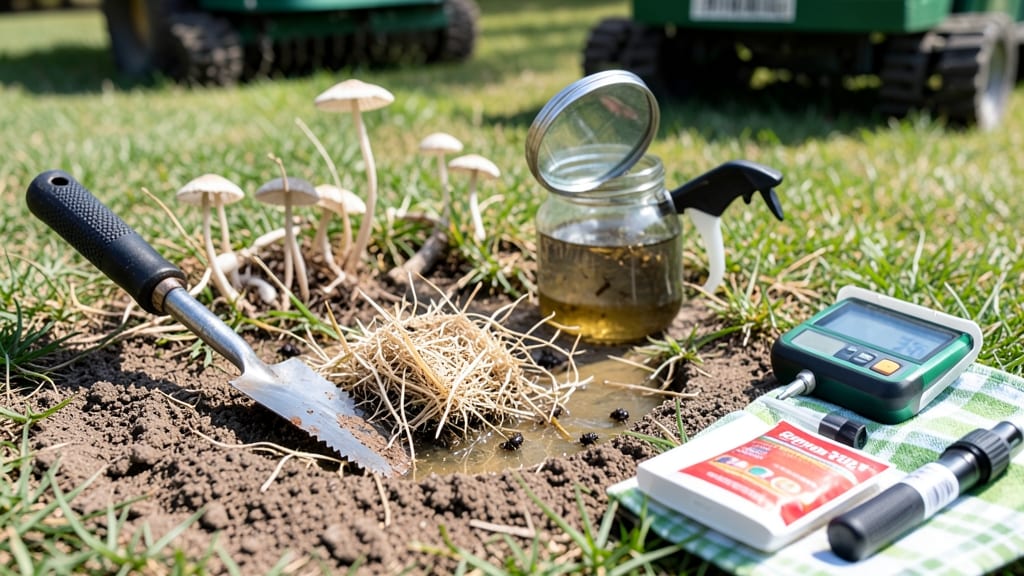
Brown dead spots in your lawn can turn a lush green yard into a patchwork of disappointment in just a few weeks. 🌱 I’ve spent years fixing these ugly brown circles—whether from fungus, drought, or even grubs munching underground—and I’ll show you how to diagnose and treat them without tearing up the whole lawn.
The first step is figuring out why those spots appeared. Is the soil dry as a bone, or does it stay soggy after rain? Are there mushrooms popping up nearby?
A quick check with your fingers (or a trowel) reveals whether you’re dealing with drought stress, fungal infection, or hidden pests—each needs a different fix.
Once you know the cause, the solutions are surprisingly simple: adjust your watering, spread a targeted fungicide, or invite earthworms back with aeration. I’ll walk you through each method so you can see those brown patches fade away within 2-4 weeks—no reseeding required.
This works for all grass types, from cool-season Kentucky bluegrass to warm-season Bermuda. The key is catching it early and treating the real problem, not just masking the symptoms. Let’s get your lawn looking vibrant again.
Root Causes of Lawn Deterioration
Brown dead spots in your lawn aren’t just an eyesore—they’re a sign your grass is struggling to thrive. Understanding the why behind these patches is the first step to restoring a lush, green lawn without resorting to costly reseeding.
Below, we break down the most common culprits, backed by science and actionable insights.
Fungal diseases like brown patch (Rhizoctonia solani), dollar spot (Clarireedia jacksonii), and snow mold (Typhula spp.) thrive in warm, humid conditions and attack grass blades, cutting off their nutrient supply.
These pathogens spread rapidly, creating circular or irregular brown patches with a spongy, dead feel.
🔬 Why it happens:
- Overwatering or poor drainage: Fungi love moisture—waterlogged soil creates the perfect breeding ground. If your lawn stays damp for more than 48 hours, fungi multiply unchecked.
- Thatch buildup: A thick thatch layer (0.5 inches or more) traps moisture and blocks fungicides from reaching the roots.
- Nitrogen-heavy fertilizers: Too much nitrogen weakens grass, making it susceptible to fungal attacks. Slow-release fertilizers are safer.
- Stress from heat or drought: Weakened grass is an open invitation for fungi. Heat stress (above 90°F) or sudden drought shocks the plant’s defenses.
💡 Pro tip: If you see brown patches with a dark, slimy fringe or a musty smell, fungi are likely the culprit. Test your soil’s moisture—if it’s soggy, improve drainage immediately.
Just like humans, grass can suffer from heat stress or desiccation when exposed to intense sunlight, high temperatures, or wind. This is especially common in warm-season grasses (like Bermuda or Zoysia) during sudden heatwaves or in cool-season grasses (like Kentucky Bluegrass) when summer arrives early.
🔬 Why it happens:
- Intense sunlight + dehydration: Grass blades lose moisture faster than roots can absorb water, leading to crispy, straw-like dead spots.
- Shallow root systems: If your lawn hasn’t been watered deeply or fertilized properly, roots stay shallow and can’t reach moisture during drought.
- Windburn: High winds dry out grass blades, causing brown, papery tips (common in exposed areas like slopes or near buildings).
- Soil compaction: Compacted soil restricts root growth, making grass more vulnerable to heat stress.
🌡️ Pro tip: Check the depth of browning. If only the top layer is affected (like sunburn), it’s likely heat-related. Water deeply in the early morning (1–1.5 inches per week) to encourage deeper roots.
Grubs, chinch bugs, and even moles or voles can turn your lawn into a buffet, leaving behind brown, patchy destruction. The key difference? Pest damage often has visible signs of activity, like tunnels, chewed roots, or tiny insects.
🔬 Why it happens:
- Grubs (white larvae): These are the larvae of Japanese beetles or June bugs. They feast on grass roots, causing patches to peel back like carpet when pulled.
- Chinch bugs: These tiny, black-and-white pests suck sap from grass blades, leading to straw-colored patches that spread quickly in dry, sunny conditions.
- Moles/voles: While they don’t eat grass, their tunneling severs roots and disrupts water flow, creating dead zones.
- Armyworms: Green or brown caterpillars that skeletonize grass blades, leaving behind a ragged, brown mess.
🔍 Pro tip: Dig up a small patch of dead grass—if you see white grubs or tiny holes, pests are the problem. Chinch bugs often gather at the base of grass blades, while armyworms hide in thatch during the day.
Watering is a double-edged sword. Overwatering suffocates roots and invites fungi, while underwatering starves grass of moisture. Both extremes lead to brown patches—but the symptoms differ.
🔬 Why it happens:
- Overwatering:
- Creates anaerobic conditions (lack of oxygen in soil), suffocating roots.
- Promotes that buildup, which blocks water and nutrients from reaching the soil.
- Leads to fungal outbreaks (like Pythium) in warm weather.
- Underwatering:
- Grass blades wilts and turns brown from the tips down.
- Shallow roots can’t recover during drought, leading to permanent damage.
- Soil pulls away from the roots, creating dry, crumbly patches.
- Irregular watering: Skipping watering days or using sprinklers that don’t reach deep causes uneven stress on the lawn.
💦 Pro tip: Test your watering with the screwdriver test: Push a screwdriver into the soil—if it goes in easily, you’re underwatering. If it resists, you’re overwatering. Aim for 1–1.5 inches per week, including rain.
Poor soil health is like building a house on quicksand—no matter how much you water or fertilize, the grass won’t thrive. Brown spots often signal nutrient deficiencies, pH imbalances, or compacted soil.
🔬 Why it happens:
- Low nitrogen (N): Grass turns yellowish-brown and grows slowly. Nitrogen is crucial for chlorophyll production.
- Phosphorus (P) deficiency: Leads to stunted roots and weak growth, making grass vulnerable to stress.
- Potassium (K) deficiency: Causes brown leaf tips and weakens the grass’s ability to handle drought or disease.
- High soil pH (alkaline): Locks out essential nutrients like iron and manganese, causing yellowing or browning.
- Low soil pH (acidic): Can burn roots and leach nutrients like
Fixing Faded Lawn Spots Fast
Now that you’ve identified the culprit behind those unsightly brown patches, it’s time to take action. The good news? Most dead spots can be revived with targeted fixes—no reseed required.
Below, we’ll break down practical, step-by-step solutions tailored to the most common causes, plus pro tips to keep your lawn lush long-term.
Signs: Soggy soil, mushrooms, or spots that stay wet for days.
How to Revive: 🍳 Adjust Your Watering Routine
- Water deeply 2–3 times per week (early morning is best) instead of daily shallow sessions. Aim for 1–1.5 inches per week, including rainfall.
- Use a moisture meter or the "screwdriver test" (push a screwdriver into the soil—if it goes in easily 3–4 inches deep, you’re overwatering).
👨🍳 Improve Drainage - Aerate compacted soil with a core aerator (rent one or hire a pro). Focus on the affected areas. - Add organic matter: Spread a ¼-inch layer of compost or peat moss over the spot, then lightly rake it in.
This boosts soil structure and water absorption.
⏰ Let It Dry Out
- If the spot is waterlogged, stop watering it entirely for 3–5 days to let excess moisture evaporate. Then resume the adjusted schedule.
💡 Prevention Tip: Install French drains or swales (shallow trenches) in low-lying areas to redirect water.
Signs: Crispy, straw-like patches in sunny areas, especially during droughts.
How to Revive: 🍳 Water Deeply & Early
- Water before 9 AM to reduce evaporation. Use a soaker hose or drip irrigation to deliver moisture directly to roots.
👨🍳 Provide Temporary Shade
- Set up a lightweight shade cloth (30–50% coverage) over the spot for 1–2 weeks to give grass time to recover.
- Mulch with straw (not wood chips) to retain moisture and protect roots.
✨ Choose Drought-Tolerant Grass
- If this happens yearly, consider switching to heat-resistant grasses like Bermuda, Zoysia, or Buffalo grass for sunny spots.
💡 Prevention Tip: Mow high (3–4 inches) during heatwaves to shade soil and retain moisture.
Signs: Circular rings, spongy texture, or powdery growth (like dollar spots or brown patch).
How to Revive: 🔥 Fungicide Treatment
- Apply a broad-spectrum fungicide (like propiconazole or myclobutanil) following label instructions. Reapply every 7–14 days if needed.
- Best time to treat: Early morning or evening when humidity is high (fungi thrive in damp conditions).
👨🍳 Improve Airflow
- Thin out dense grass with a mower or string trimmer to reduce humidity trapped at ground level.
- Remove thatch (the layer between soil and grass) with a thatched rake—thick thatch (½ inch+) suffocates roots and invites fungi.
🌡️ Adjust Watering & Fertilizer
- Water in the morning to let grass dry by night.
- Avoid nitrogen-heavy fertilizers (like quick-release lawn foods) during outbreaks—they feed fungi.
💡 Prevention Tip: Solarize severely infected areas by covering them with clear plastic sheeting for 4–6 weeks in hot sun to kill fungi naturally.
Signs: Spongy turf that pulls up easily, ants, or birds pecking at the lawn.
How to Revive: 🍳 Apply Grub Control
- Use a grub-specific insecticide (like imidacloprid or trichlorfon) in early summer when grubs are young and vulnerable.
- Follow label rates—overapplying can harm beneficial insects.
👨🍳 Encourage Natural Predators
- Invite birds and toads by adding a small water source (like a shallow dish) to your yard—they eat grubs!
- Aerate and overseed with grub-resistant grasses like tall fescue or perennial ryegrass.
🔪 Manual Removal (For Small Spots)
- Dig up infested patches (6–12 inches deep), remove grubs, and replant with new sod or plugs.
💡 Prevention Tip: Test soil for grubs in spring by slicing a small section of turf—if you see white, C-shaped larvae, treat early!
Signs: Hard-as-concrete soil, puddles that don’t absorb, or grass growing in uneven clumps.
How to Revive: 🍳 Core Aeration
- Rent a core aerator (or hire a pro) to pull out 3–4 inch soil plugs across the entire lawn, especially compacted spots.
- Do this in spring or fall when grass is actively growing.
👨🍳 Top-Dress with Sand & Compost
- Mix equal parts sand and compost, then spread a ¼-inch layer over the aerated area. Rake lightly to work it into the holes.
- Use coarse sand (not fine sand, which compacts further).
⏰ Reduce Foot Traffic
- Designate a walkway (use stepping stones or mulch) to prevent further compaction.
💡 Prevention Tip: Avoid heavy equipment on wet lawns—compaction worsens when soil is soggy.
Once you’ve treated the root issue, follow these universal revival tips:
- Mow High: Set your mower to 3–4 inches to shade soil and reduce stress.
- Fertilize Lightly: Use a slow-release, balanced fertilizer (like 16-4-8) to encourage root growth.
- Overseed Thin Spots: If grass isn’t regrowing in 2–3 weeks, sprinkle grass seed over the area and keep it moist until germination.
- Monitor & Repeat: Check spots weekly—some causes (like fungi) may need multiple treatments.
🎯 Pro Tip: Keep a lawn care journal to track watering, treatments, and weather patterns. This helps you spot problems early before they spread!
Frequently asked questions
Why do brown dead spots appear in patches rather than all over the lawn?
Brown spots develop in patches because the underlying cause often starts in localized areas. For example, fungal infections spread from a single point of entry, while pests like grubs target specific zones where soil conditions are ideal. Even drought stress affects areas with shallower roots or poorer soil first. Think of it like a chain reaction—once one section weakens, the problem spreads to nearby grass.
How long does it take to see improvement after treating brown spots?
With the right treatment, you’ll typically see noticeable recovery in 2-4 weeks. Fungal diseases respond fastest to fungicides (often within 7-10 days), while drought-stressed spots may take longer to regreen. Pest damage can take 3-6 weeks to fully recover, depending on how severe the infestation was. Consistency is key—stick with your treatment plan and monitor progress weekly.
Can I use household items like vinegar or baking soda to fix brown spots?
While vinegar (diluted) can help with mild fungal issues, it’s not a reliable fix for most brown spot causes. Vinegar’s acidity kills some fungi but also harms grass. Baking soda is ineffective for lawn problems. For real results, stick to targeted solutions like fungicides for diseases, grub control for pests, or proper watering for drought stress. Household remedies might mask symptoms temporarily but won’t address the root issue.
What’s the best time of year to treat brown spots?
Spring and fall are ideal for treating brown spots because grass is actively growing and can recover faster. In spring, focus on fungal issues and pests that overwintered. Fall is perfect for addressing drought stress or soil compaction before winter. Avoid treating in extreme heat (above 90°F) or deep freeze—grass is too stressed to recover quickly. Early morning or evening applications work best for fungicides.
Will my lawn ever fully recover from large dead areas?
Yes, but it depends on the cause and how quickly you act. Small to medium spots (1-2 feet wide) often regrow completely with proper care. Larger areas may need overseeding or sod replacement. For persistent issues like severe fungal infections or compacted soil, combine treatments (e.g., aeration + fungicide + proper watering) for the best results. Patience is key—some recovery takes 3-6 months, but a healthy lawn can bounce back!