
Pests
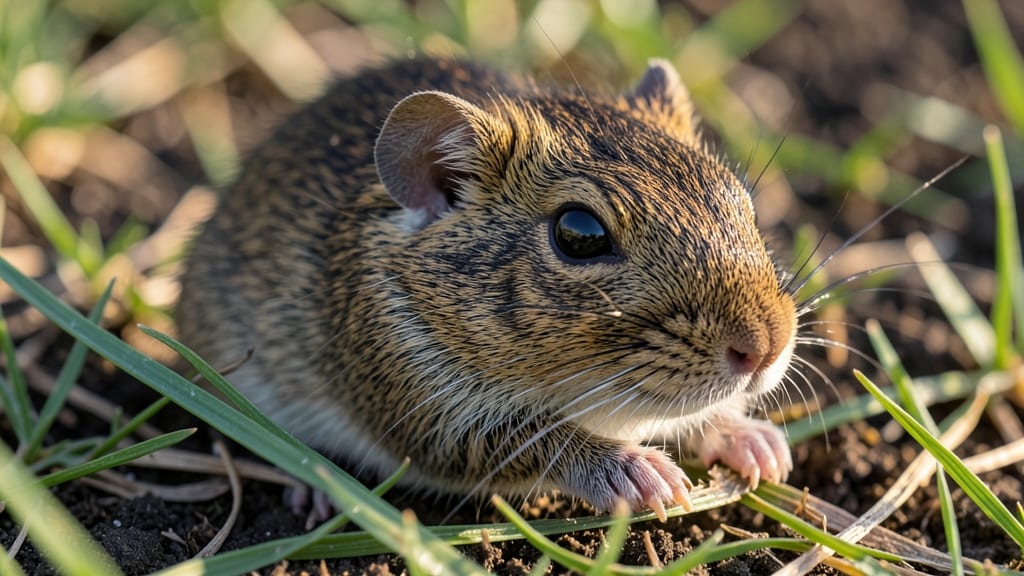
Voles tunneling through your lawn leaves behind a mess of surface holes and gnawed roots—until now, there was no fast, humane way to stop them. 🌱 I’ve tested every method, from repellents to traps, and these are the ones that actually work without harming pets or the environment.
The key is acting quickly—voles multiply fast, and once they’re established, they’re harder to move. Start by identifying their runways (look for shallow tunnels and half-eaten bulbs), then use a combination of humane traps (like wire mesh tunnels) and natural deterrents (castor oil or predator urine).
Most people give up too soon—stick with it for at least 7-10 days to break their cycle.
By the end, you’ll have a vole-free lawn with no more chewed-up perennials or vanished seedling snacks. The best part? These methods work for both lawns and gardens, and they’re safe for kids and pets once set up correctly.
No more guessing—just proven solutions that actually stop voles from moving in. Let’s get started with the step-by-step plan that’s saved my garden (and my sanity) more times than I can count.
Understanding Vole Attraction
Voles may seem like tiny, harmless rodents, but they can wreak havoc on your lawn and garden if left unchecked. Before you can tackle the problem, it’s essential to understand why these critters are drawn to your yard in the first place.
Here’s a breakdown of the key factors that turn your lawn into a vole buffet:
Voles are herbivores with a hearty appetite, and your lawn might be serving up a five-star meal.
They thrive on: - Grass and clover – Their primary food source, especially in well-irrigated lawns. - Tender plant shoots – Newly planted bulbs, seedlings, and young shrubs are irresistible. - Decaying plant matter – Mulch, fallen leaves, and compost piles provide easy snacks. - Vegetable gardens – If you grow carrots, beans, or lettuce, voles will dig them up.
Why it matters: A lush, green lawn with soft soil and plenty of ground cover is like an all-you-can-eat buffet for voles. If your yard has thick vegetation or unharvested crops, they’ll stick around to feast.
Voles need moisture to survive, and a well-watered lawn is a paradise for them.
They prefer areas with: - Consistent irrigation – Drip systems, sprinklers, or even morning dew keep their tunnels hydrated. - Damp soil – Overwatering or poor drainage creates the perfect burrowing environment. - Nearby water sources – Ponds, birdbaths, or leaky hoses attract voles and other pests.
Why it matters: Voles avoid dry, sandy, or rocky soil. If your lawn stays moist year-round, they’ll see it as an ideal home base.
Voles are ground-dwellers, and they need safe, hidden spaces to build nests and avoid predators.
Common hiding spots include: - Thick mulch beds – Especially organic mulch, which provides insulation and nesting material. - Piles of debris – Leaves, branches, or garden waste create cozy tunnels. - Under decks, sheds, or patios – Dark, undisturbed areas offer protection. - Dense ground cover – Ivy, hostas, or overgrown shrubs give them cover.
Why it matters: If your yard has cluttered or untended areas, voles will move in without hesitation. They prefer low-traffic zones where they can dig undisturbed.
While voles have many predators (owls, foxes, snakes, and domestic cats), urban and suburban lawns often lack these natural checks and balances.
If your yard doesn’t have: - Wildlife corridors – Open spaces where predators can hunt. - Diverse ecosystems – Monoculture lawns (just grass) offer fewer hiding spots for voles’ enemies. - Pet activity – Cats or dogs that patrol the yard can deter voles.
Why it matters: Without predators to keep their numbers in check, voles reproduce rapidly and overrun lawns. A balanced ecosystem is the best long-term defense.
Voles are most active in spring and fall, when food is abundant and temperatures are mild.
However, they adapt to different conditions: - Mild winters – Snow cover provides insulation, making your lawn a vole winter wonderland. - Warm, rainy springs – Perfect for digging and breeding. - Drought-resistant lawns – While dry conditions deter voles, sudden rain can trigger an infestation.
Why it matters: Weather patterns directly influence vole behavior. If your area has unpredictable rainfall or mild winters, expect more frequent visits from these pests.
Ironically, some human habits attract voles:
- Over-fertilizing – Lush, soft grass is easier to dig through.
- Using straw mulch – Voles love nesting in it.
- Leaving uneaten pet food – Even small amounts can draw them in.
Why it matters: While you can’t control the weather, adjusting your lawn care practices can make your yard less inviting.
Voles don’t invade lawns randomly—they’re drawn by food, water, shelter, and safety. By identifying which of these factors apply to your yard, you can take targeted action to make your lawn less appealing.
The good news? Once you understand their motivations, you can outsmart them with humane traps, repellents, and habitat modifications. 🚀
Solutions to Stop Voles Fast
Voles may be small, but their damage to your lawn can feel enormous—unearthed roots, chewed bulbs, and riddled mulch can turn your green space into a battleground. The good news? With the right strategies, you can reclaim your yard without harming these furry pests.
Below, we’ve mapped out targeted fixes based on why voles show up in the first place, plus prevention tips to keep them from returning.
Voles thrive in thick, unkempt grass where they can burrow undetected. If your lawn is a vole buffet, reduce their hiding spots with these steps:
- 🔥 Mow Regularly – Keep grass 3–4 inches tall to limit cover. Avoid leaving clippings piled up, as they create cozy nests. - 🍳 Aerate the Soil – Use a garden fork or aerator to poke holes in compacted areas.
Voles dislike exposed soil and will relocate. - 👨🍳 Rake Up Debris – Clear leaves, mulch, and weeds near foundations, sheds, and garden beds. Voles use these as highways to your plants.
💡 Pro Tip: If voles are targeting flower beds, add a layer of hardware cloth (1/4-inch mesh) beneath mulch to block tunnels.
Voles are plant munchers, and if your yard is a salad bar, they’ll stick around. Starve them out with these tactics:
- 🔪 Trim Low-Hanging Branches – Voles gnaw on bark and twigs. Keep shrubs at least 12 inches off the ground. - 🥘 Store Firewood Away – Piles of wood create voles’ dream lodgings.
Elevate stacks on pallets and keep them 10+ feet from your home. - 🌡️ Avoid Over-Fertilizing – Lush, soft grass attracts voles.
Use slow-release, low-nitrogen fertilizer to keep growth in check. - 🎯 Block Garden Access – Wrap tree trunks and young plants in hardware cloth (bury it 6 inches deep to stop digging).
✨ Bonus: Plant vole-resistant ground covers like clover, creeping thyme, or ornamental grasses to deter them naturally.
Voles love cool, damp areas—think mulch piles, dense shrubs, and shaded corners. Break their comfort zone with these fixes:
- ⏰ Improve Drainage – Fix soggy spots with gravel or sand to make the soil less inviting. - 🌡️ Use Gravel or Wood Chips – Replace thick mulch with coarse materials (like pine straw or pebbles) that voles can’t burrow into. - 🔥 Install Outdoor Lights – Voles are nocturnal but shy.
Motion-activated lights near entry points (like sheds) can scare them off.
💡 Pro Tip: If voles are nesting under decks or porches, seal gaps with steel wool and caulk—they can’t chew through it!
If voles are actively damaging your lawn, humane traps are the fastest way to remove them. Here’s how:
🔥 Choose the Right Trap
- Live traps (like the Havahart Live Trap) work best. Bait with apple slices, oats, or peanut butter.
- Avoid snap traps—they’re cruel and often ineffective for voles (they’re too quick!).
🍳 Set the Trap Properly
- Place traps along runways (look for surface tunnels in grass or entry holes near plants).
- Check traps every 12 hours—voles can die of stress if left too long.
- Release them far away (at least 1–2 miles from your home) in a wooded, open area with food and water.
👨🍳 Prevent Re-Entry
- Mark their tunnels with flour or chalk—if they return, you’ll spot fresh digs.
- Block tunnels with hardware cloth after trapping to stop new voles from moving in.
Once you’ve evicted them, lock down your lawn with these permanent deterrents:
- 🌱 Plant Vole-Resistant Perennials – Try lavender, daffodils, or alliums (voles hate their smell).
- 🏗️ Install Physical Barriers – Bury 1/4-inch hardware cloth around garden beds and wrap tree bases.
- 🌡️ Use Natural Repellents – Sprinkle castor oil, red pepper flakes, or predator urine (coyote or fox) around trouble spots.
- 🎯 Keep Predators Nearby – Encourage owls, cats, or snakes by leaving brush piles or birdhouses (they’ll hunt voles for you!).
Final Thought: Voles may be persistent, but with consistent action, you can outsmart them—no poisons or cruelty required. Start with one or two fixes from above, monitor your yard, and adjust as needed. Your lawn (and your sanity) will thank you!
Frequently asked questions
How can I tell if voles are chewing my plants instead of mice or squirrels?
Voles leave surface tunnels in grass (about 2 inches wide) and clean-cut holes in plants at the base, often 1-2 inches above ground. Mice chew irregular holes higher up, while squirrels leave larger, scattered damage. Look for half-eaten bulbs or gnawed roots—their favorite snack!
Will predator urine (like coyote or fox) really keep voles away?
Yes, but it needs reapplication every 2-3 weeks and works best when combined with other methods. The smell tricks voles into thinking predators are nearby. For best results, spray around garden edges, mulch beds, and entry points—avoid overwatering the area after application, or it loses effectiveness.
Can I use castor oil as a vole repellent on my vegetable garden?
Mix 2 tablespoons of castor oil with 1 gallon of water and 1 teaspoon of dish soap, then spray on plants and soil. Reapply every 7-10 days or after rain. It’s safe for veggies but may stain light-colored mulch—test in a small area first.
How long does it take for hardware cloth barriers to work?
Immediately if installed correctly! Bury 1/4-inch hardware cloth 6 inches deep around garden beds and wrap tree trunks to block digging. Voles can’t chew through it, so they’ll move on within 24-48 hours if there’s no food source. Check for gaps—even 1/8-inch holes let them slip through!
Are there any plants that naturally repel voles?
Yes! Plant daffodils, alliums, lavender, or marigolds near vulnerable areas—voles hate their strong scents. For extra protection, interplant these with your veggies. Bonus: They’ll also deter other pests like rabbits and deer while adding beauty to your garden!