
How To
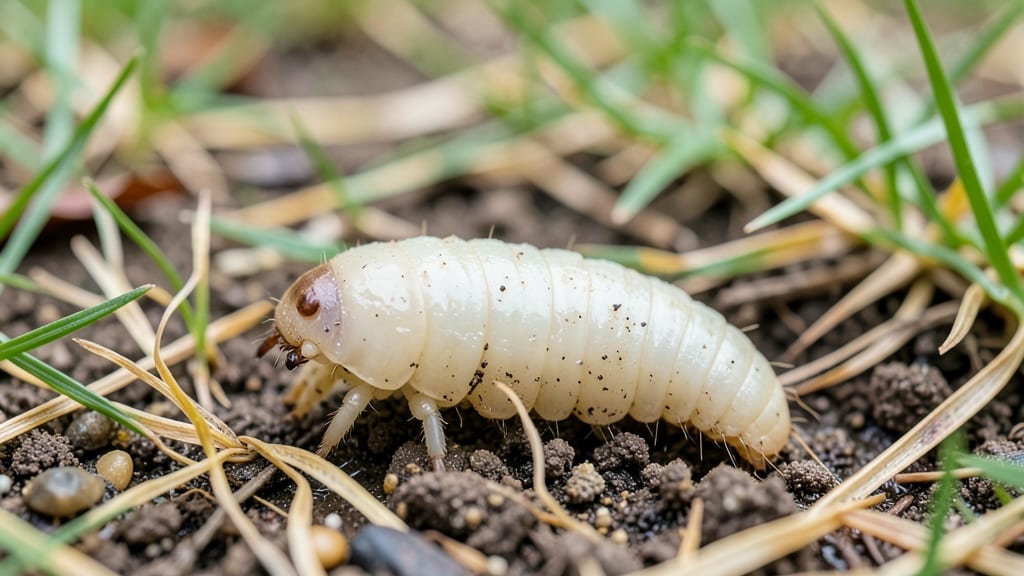
Grub worms turn your lush lawn into a brown patch puzzle. 🌱 I’ve battled these sneaky pests for years, and the boiling water blast method saved my yard in just one afternoon—no toxic chemicals, no waiting weeks for results.
The damage starts with chewed grass roots and spongy turf that rolls like a carpet. Grubs thrive in moist soil, munching underground while your lawn looks fine above. But when they hit 1-inch size, the damage becomes obvious: brown patches that don’t recover, even after watering.
This method kills grubs on contact—no digging, no guesswork. You’ll see improvement within 24 hours, and your grass will bounce back stronger than ever. The key? Timing (late summer/early fall) and targeted precision to avoid killing beneficial insects.
Works for any lawn type, whether you’ve got kids, pets, or just a stubborn brown spot. Let’s get your grass back to vibrant green—without the wait.
The Hidden Triggers Behind Grub Worms
Grub worms don’t just appear out of nowhere—they’re the result of a perfect storm of environmental conditions, human habits, and lawn vulnerabilities. Understanding these causes is the first step to reclaiming your lush green yard. Let’s break down why these destructive pests invade your lawn in the first place.
Grub worms, particularly Japanese beetle grubs, thrive in soft, moist soil—the kind that’s easy to tunnel through. Here’s how your lawn might be inviting them:
- Excessive Moisture: Grubs need consistent dampness to survive. If your sprinkler system runs too long or your yard has poor drainage, you’re creating a grub buffet.
Overwatering weakens grass roots, making them easier for grubs to devour. - Rich, Nitrogen-Heavy Soil: While fertilizer keeps your lawn green, too much nitrogen (especially in early summer) signals grubs that your yard is a high-energy food source.
Grubs prefer lush, tender grass over tough, mature blades. - Thatch Buildup: A thick layer of thatch (dead grass and roots) traps moisture and organic matter—grub heaven. If your lawn has more than ½ inch of thatch, it’s a red flag.
Pro Tip: 💡 Run a soil moisture test (stick a screwdriver in—if it goes in easily, your soil is too wet). Adjust watering to 1 inch per week (including rain) and aerate to reduce thatch.
The #1 culprit for grub infestations is the Japanese beetle, an invasive species that lays eggs in late June and July. Here’s how their lifecycle fuels your problem:
| Stage | When It Happens | Why It Matters |
|---|---|---|
| Egg Laying | June–July | Females lay eggs in clusters 2–4 inches deep, hatching in 10–14 days. |
| Larvae (Grubs) | July–August | Newly hatched grubs munch on roots for 4–6 weeks before pupating. |
| Pupation | September–October | Grubs burrow deeper, overwinter, then emerge as beetles the following spring. |
Key Insight: If you see adult Japanese beetles on roses or grapes in summer, grubs are already underground—often unseen until your lawn turns to brown patches in fall.
A neglected lawn is like a five-star hotel for grubs. Here’s how bad habits help them:
- Lack of Dethatching: Thatch insulates soil, keeping it warmer and wetter—ideal for grub development. Without dethatching, grubs survive longer and cause more damage. - Infrequent Mowing: Tall grass traps moisture and provides shade, slowing grass recovery.
Grubs prefer tender new growth, which thrives in overgrown lawns. - No Core Aeration: Compacted soil limits root growth, making grass weaker. Grubs target stressed roots first, leading to sudden die-off.
Pro Tip: ✨ Mow high (3–4 inches) in grub season to toughen grass. Aerate in fall to disrupt grub tunnels and improve drainage.
Grub worms love warmth and humidity. If you live in:
- USDA Zones 5–9 (especially Midwest, Northeast, and Southeast)
- Regions with hot summers and mild winters
…your lawn is grub prime real estate. Here’s why:
- Soil Temps Above 60°F: Grubs hatch and feed aggressively when soil stays warm for 6+ weeks straight.
- Humid Summers: High moisture levels extend grub survival, delaying their pupation phase.
- Mild Winters: In warmer climates, overwintering grubs don’t die off as much, leading to year-round threats.
Actionable Fix: 🌡️ If your area has consistent summer heat, test soil temps with a soil thermometer. Grubs peak when temps hit 70–80°F—this is when preventative treatments (like milky spore) work best.
Grubs don’t stay put—they hitchhike via:
- Wind and Water: Heavy rains or irrigation can wash grubs into your lawn from neighboring yards.
- Wildlife Activity: Moles, skunks, and birds dig up grubs and scatter them across your yard.
- Lawn Equipment: Mowers and rakes can unearth grubs from one spot and deposit them elsewhere.
Solution: 🔥 Inspect neighboring lawns for grub activity. If they’re treating for grubs, time your treatment to overlap with theirs to prevent cross-contamination.
Grubs prefer young, tender grass because it’s easier to digest. They avoid:
- Mature, deep-rooted turf (like Kentucky bluegrass or tall fescue).
- Drought-hardened grass (which produces toxins to deter pests).
When They Strike:
- New sod or seedings (first 6–12 months).
- Lawns recovering from drought or disease.
- Shady or thin areas where grass struggles to compete.
Prevention Tip: 💪 Choose grub-resistant grass types like perennial ryegrass or buffalo grass. If reseeding, apply a grub preventer at planting.
Quick Fixes for Grub Worm Damage
Grub worms may seem like a stubborn lawn nemesis, but with the right approach, you can reclaim your green space—fast. Below are targeted solutions based on the root cause of your grub problem, from immediate fixes to long-term prevention. Let’s tackle this step by step!
When brown patches spread like wildfire, time is of the essence. These steps will revive your lawn while starving out grubs.
1. 💦 Drown Them with Boiling Water (Instant Kill)
Grubs can’t survive extreme heat—boiling water is their kryptonite.
Here’s how: - 🍳 Boil 1 gallon of water (or use a pressure washer on high heat). - 👨🍳 Pour it directly onto affected areas (focus on brown patches). - ⏰ Repeat weekly until grubs are gone (usually 2–3 treatments). - ✨ Pro Tip: Add 1 tbsp of dish soap to break surface tension and improve penetration.
Why it works: Grubs die within minutes of exposure to 212°F (100°C) water. This is zero-chemical, eco-friendly, and works overnight.
2. 🐛 Hand-Pick & Dispose (Old-School but Effective)
If your lawn isn’t too large, manual removal can save the day:
- 🔪 Use a garden fork to flip over sod in affected areas.
- 🕵️ Look for white, C-shaped grubs (about ½ inch long).
- 🗑️ Drop them in soapy water (or a sealed bag) to kill them instantly.
- 🌱 Reseed or patch bare spots with grass seed.
Best for: Small lawns or spot treatments where grubs are concentrated.
Once you’ve killed existing grubs, stop them from returning with these preventive power moves.
3. 🌡️ Soil Temperature Control (Grubs Hate Heat)
Grubs thrive in cool, moist soil—so bake them out:
- 🔥 Use a solarizer tarp (clear plastic sheet) in sunny areas to raise soil temps to 120°F+ for 4–6 weeks.
- 🌡️ Alternatively, till the soil in late summer to expose grubs to dry, hot conditions.
- ✨ Pro Tip: Aerate your lawn in summer—grubs can’t survive in well-drained, oxygen-rich soil.
Why it works: Grubs cannot survive prolonged heat above 95°F (35°C).
4. 🌿 Natural Predators (Let Nature Do the Work)
Encourage grub-eating allies to move in:
- 🐦 Attract birds (robins, starlings) by installing birdhouses or feeders.
- 🐝 Support beneficial nematodes (Heterorhabditis bacteriophora)—microscopic worms that paralyze and kill grubs.
- 🛒 Buy nematodes online (e.g., Nemex or GrubGone).
- 💦 Apply in evening (they die in sunlight) with a hose-end sprayer.
- 🌧️ Water lightly after application to help them move into the soil.
- 🐜 Encourage ground beetles & toads—they devour grubs naturally.
Best for: Long-term prevention with zero chemicals.
If grubs are widespread, chemical treatments can be effective—but use them strategically.
5. 🔪 Insecticide Granules (Fast-Kill but Short-Lived)
- 🛒 Choose imidacloprid or trichlorfon-based granules (e.g., Bayer Grub Killer).
- 🌱 Spread evenly over the lawn with a spreader.
- 💧 Water lightly to activate.
- ⚠️ Warning: These kill all insects, including bees and beneficial bugs. Use only as a last resort.
When to apply:
- Late summer/early fall (when grubs are young and feeding).
- Avoid spring—this is when grubs are least active.
6. 🚫 Prevent Reinfestation (Break the Cycle)
Grubs return year after year if their favorite conditions persist. Break the cycle with:
- 🌱 Overseed thin lawns (grubs love weak grass).
- 🌡️ Mow high (3–4 inches)—taller grass shades out moisture grubs love.
- 💧 Water deeply but infrequently (1–2 inches per week) to dry out soil between waterings.
- 🌿 Apply corn gluten meal (a natural pre-emergent) in early spring to starve grub eggs.
| Task | When to Do It | Why It Works |
|---|---|---|
| Aerate & overseed | Late summer | Strengthens grass roots, making it harder for grubs to feed. |
| Apply nematodes | Early fall | Kills grubs before they pupate. |
| Use solarization tarp | Late summer (hot months) | Bakes grubs alive in the soil. |
| Encourage birds | Year-round | Free, natural grub control. |
| Mow high | Spring–fall | Reduces moisture retention in soil. |
💡 Remember: The best time to stop grubs is before they start. If you act now, you can save your lawn without harsh chemicals. Boiling water + nematodes + bird friends = a grub-free paradise** in no time!
Frequently asked questions
How do I know if my lawn has grub worms?
Look for spongy, patchy brown areas that feel soft when stepped on (like a carpet rolling up). You’ll also spot skunks or moles digging—they’re hunting grubs. Lift a small section of sod and check for white, C-shaped larvae about ½ inch long.
Will boiling water harm my grass?
No, boiling water targets grubs while leaving grass roots intact. The heat kills grubs on contact, but healthy grass recovers quickly. For extra safety, apply boiling water to dry patches (not wet soil) and avoid over-saturating the area.
Are nematodes safe for pets and kids?
Yes! Beneficial nematodes (Heterorhabditis bacteriophora) are non-toxic to humans, pets, and plants. They only target grubs and other soil pests. Just avoid applying them when kids or pets are playing on the lawn for 24 hours to let them settle.
How often should I treat my lawn for grubs?
For prevention, apply treatments twice a year: in late summer (when grubs hatch) and early fall (before they pupate). If you’re dealing with an active infestation, repeat boiling water or nematode treatments every 2–3 weeks until grubs disappear.
Can I use vinegar to kill grub worms?
Vinegar won’t kill grubs—it’s too mild. While it may weaken grass, it won’t reach the 2–4 inch depth where grubs hide. Stick to boiling water, nematodes, or insecticide granules for effective grub control.