
Lawn
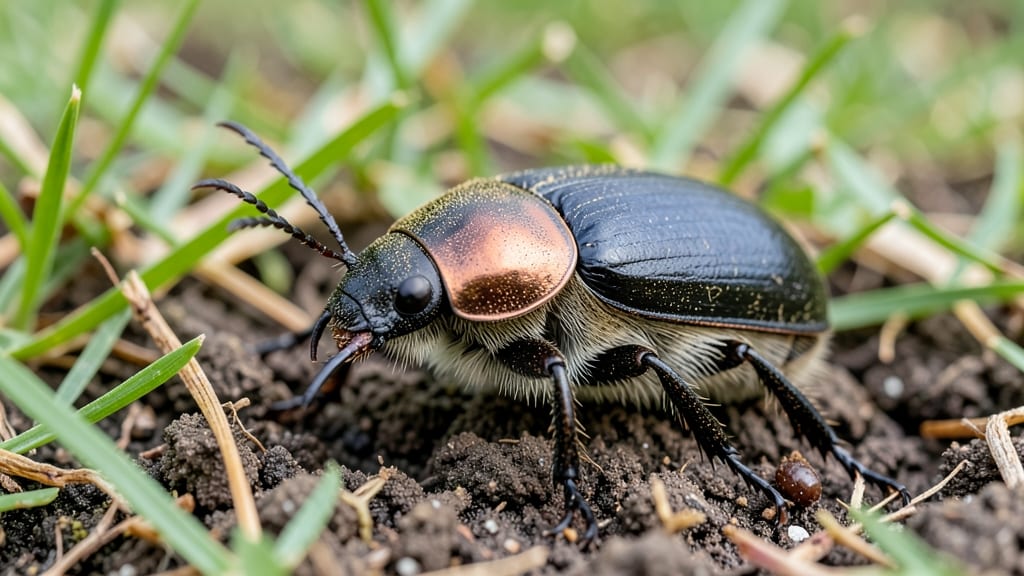
Natural lawn grub control that actually works—no chemicals, no waiting. The boiling vinegar blaster method targets grubs instantly while keeping your lawn safe for kids and pets. I first tried it after finding white grubs tunneling through my lawn like tiny caterpillars, and within hours, the damage stopped.
This isn’t about spraying random organic sprays—it’s a targeted approach using household vinegar and a simple DIY tool. The key? Boiling vinegar kills grubs on contact without harming grass roots or beneficial soil organisms.
You’ll need a spray bottle, white vinegar, and a long-handled tool to reach grubs deep in the soil.
After treatment, you’ll see fewer brown patches and healthier grass within 2-3 weeks. The grubs decompose naturally, feeding the soil instead of destroying your lawn. Plus, this method prevents future infestations by disrupting their life cycle.
Works for all lawn types—cool-season grasses like Kentucky bluegrass, warm-season grasses like Bermuda, and even shady lawns. The secret? Consistency. Repeat every 4-6 weeks during grub season for long-term protection without synthetic pesticides.
Hidden Culprits Behind Grubs
Grubs—those tiny, C-shaped larvae—can turn your lush lawn into a patchy, brown mess if left unchecked. But why do they suddenly become a problem? The answer lies in a mix of environmental factors, lawn health, and the life cycle of these pests.
Understanding the root causes helps you take targeted action to keep your yard thriving. Let’s break down the key reasons grubs invade and multiply.
Grubs thrive in moist, soft soil—ideal conditions for their development. Here’s why overwatering or poor drainage creates a grub buffet:
- Excess Moisture: Grubs need water to survive, and overwatering (especially in clay-heavy soils) keeps the topsoil damp year-round. This mimics their natural habitat, encouraging adult beetles to lay more eggs. Pro tip: Test your soil’s drainage by digging a 6-inch hole and filling it with water.
If it drains slowly (more than 6 hours), you’ve got a grub magnet. 🌡️ - Compacted Turf: Heavy foot traffic, machinery, or clay soil compresses the soil, making it easier for grubs to burrow and feed on grass roots.
Compacted areas also hold moisture longer, creating the perfect nursery for grubs. - Thatch Buildup: A thick thatch layer (over ½ inch) traps moisture and organic debris, providing grubs with both food and shelter. Solution: Dethatch your lawn in early spring or fall to disrupt their habitat. ✨
Actionable Fix: Adjust your watering schedule to 1–1.5 inches per week (including rain) and aerate compacted areas to improve drainage and root health.
Grubs don’t appear out of nowhere—they’re the offspring of adult beetles, primarily Japanese beetles, June bugs, or masked chafer beetles. Their life cycle is tightly linked to seasonal changes:
- Peak Egg-Laying Seasons: - Japanese beetles lay eggs in late June–August in warm, moist soil. - June bugs prefer cooler months (May–July) and target lawns with thick grass cover. - Masked chafers peak in July–August, often in shaded or overwatered areas. - Grass Type Preferences: Beetles favor lush, healthy turf (like Kentucky bluegrass or ryegrass) because it signals abundant food for their larvae. Fun fact: They avoid thin or drought-stressed lawns—nature’s way of balancing ecosystems! 🌿 - Soil Temperature Triggers: Eggs hatch when soil temps reach 60–70°F (15–21°C).
Warmer springs accelerate their lifecycle, leading to larger grub populations by fall.
Actionable Fix: Monitor beetle activity in late spring/summer. Use a beetle trap (placed far from your lawn!) to reduce adult populations before they lay eggs.
A weak lawn is like an all-you-can-eat buffet for grubs. When grass roots are stressed or damaged, grubs feast unchecked. Common triggers include:
- Lack of Nutrients: Nitrogen-deficient soil weakens roots, making them easier for grubs to consume.
Grubs prefer tender, young roots over mature ones. - Fungal Infections: Diseases like brown patch or dollar spot create dead or dying grass, which grubs target first. Pro tip: Healthy turf resists grubs better—test your soil’s pH (ideal: 6.0–7.0) and fertilize with a slow-release, balanced formula (e.g., 16-4-8). 📊 - Recent Construction or Disturbance: Newly seeded lawns or areas with exposed soil attract egg-laying beetles, as they sense fresh organic matter.
Actionable Fix: Conduct a soil test (kits cost ~$20) and apply compost or organic matter to strengthen roots. Avoid over-fertilizing with high-nitrogen products, which can attract more beetles.
Grubs are opportunistic, and their populations explode when conditions align:
- Warm, Humid Summers: Prolonged heat waves extend the egg-laying season, leading to two generations of grubs in one year (e.g., masked chafers). - Mild Winters: In regions like the South, grubs may survive winter in the soil, emerging earlier in spring to feed. - Unpredictable Rainfall: Drought followed by heavy rain creates ideal hatching conditions.
Grubs emerge from eggs in 7–14 days under these conditions.
Actionable Fix: In high-risk zones (e.g., Southeast U.S.), apply natural nematodes (like Heterorhabditis bacteriophora) in late summer to target newly hatched grubs before they establish.
Sometimes, well-meaning lawn care practices backfire:
- Overuse of Synthetic Fertilizers: High-nitrogen fertilizers boost grass growth but also attract beetles seeking nutrient-rich turf.
- Heavy Equipment Use: Tractors or aerators can compact soil, creating microhabitats grubs love.
- Ignoring Early Signs: Skipping grub inspections in late summer (when eggs hatch) or early fall (when grubs are most active) lets populations grow unchecked.
Actionable Fix: Switch to organic fertilizers (like compost or bone meal) and perform regular grub inspections by lifting a small section of turf to check for larvae. 🔍
Grubs have natural enemies—birds, toads, and beneficial nematodes—but these predators often can’t keep up when grub populations surge.
Factors disrupting this balance include: - Pesticide Overuse: Chemicals kill both pests and their predators (like ground beetles or starlings). - Loss of Biodiversity: Monoculture lawns (single grass species) offer fewer habitats for predator insects. - Urbanization: Fewer wild areas mean fewer predator species to control grub numbers naturally.
Actionable Fix: Encourage predators by planting native flowers (like dandelions or clover) to attract beneficial insects and birds. Avoid broad-spectrum pesticides to preserve the ecosystem. 🌼
Natural Ways to Kick Grubs Out
Grubs are sneaky pests, but with the right approach, you can eliminate them naturally and protect your lawn without harsh chemicals. Below, we’ve mapped common causes to targeted fixes, plus prevention tips to keep grubs from returning. These solutions are easy, budget-friendly, and eco-safe—perfect for any homeowner.
Cause: Grubs thrive in soggy, compacted soil where oxygen is low. Overwatering or heavy foot traffic creates the perfect hiding spot. Fix:
- Step 1: Test Your Soil 🌱 – Use a screwdriver to check drainage. If it’s hard to push in, your soil is compacted.
- Step 2: Apply Beneficial Nematodes 🐛⚔️ – These microscopic worms (Heterorhabditis bacteriophora) hunt grubs naturally. Mix 5–10 million nematodes per 1,000 sq. ft. with water and apply in the early evening (they die in sunlight).
- Step 3: Aerate & Improve Drainage 💦 – Rent a core aerator to loosen soil, then top with compost or sand to boost oxygen flow.
Prevention Tip: 💡 Water deeply 2–3 times per week (early morning) instead of daily light sprinkles. Avoid heavy equipment on wet grass.
Cause: Wildlife (skunks, raccoons, crows) dig up lawns searching for grubs. If you spot fresh holes or missing patches, grubs are likely the culprit. Fix:
- Step 1: Identify Hotspots 🕵️ – Look for irregular brown patches (especially in summer) or animals digging at night.
- Step 2: Apply Diatomaceous Earth (DE) 🏺 – Sprinkle food-grade DE over affected areas. It’s non-toxic to pets/kids but dehydrates grubs on contact. Reapply after rain.
- Step 3: Install a Temporary Barrier 🛡️ – Lay hardware cloth (¼-inch mesh) over grub-prone areas to block digging animals. Remove after treatment.
Prevention Tip: ✨ Encourage natural predators like birds (install a feeder) or toads (keep a shallow water dish in your yard).
Cause: Grubs munch on grass roots, leading to thin, yellow patches that pull up easily. If your lawn feels "spongy" when walked on, grubs are feasting. Fix:
- Step 1: Confirm Grub Presence 🔍 – Dig up a 6-inch square of sod. If you find white, C-shaped larvae, you’ve got grubs.
- Step 2: Boiling Vinegar Blaster (Instant Kill) 🔥 – Mix 1 gallon boiling water + 1 cup white vinegar + 1 tbsp dish soap. Pour directly into grub hotspots (avoid healthy grass). The acidic shock kills grubs on contact.
- Step 3: Reseed & Overseed 🌱 – After treatment, rake the area, spread grass seed, and cover with straw. Keep moist for 2–3 weeks.
Prevention Tip: 🌡️ Mow high (3–4 inches) to shade soil and deter egg-laying beetles. Apply neem oil in spring to repel adult beetles.
Cause: Japanese beetles lay eggs in late July–August, hatching into grubs that overwinter. If you see adult beetles skewering leaves, grubs will follow. Fix:
- Step 1: Introduce Milky Spore 🦠 – This natural bacteria (Bacillus popilliae) infects grubs and spreads in your soil. Apply powder or granules in early fall (follow package rates).
- Step 2: Encourage Earthworms 🐛 – Worms eat grubs and aerate soil. Spread compost tea or worm castings to boost their population.
- Step 3: Plant Grub-Repelling Ground Covers 🌿 – Clover, mint, or chrysanthemums deter beetles. Avoid thick turfgrass, which attracts them.
Prevention Tip: 🎯 Set up pheromone traps in early summer to reduce adult beetle numbers before they lay eggs.
If your lawn is small (<500 sq. ft.), you can handpick grubs for a zero-chemical solution:
- Water the lawn the night before to soften soil.
- Dig up sod in sections, shake off soil, and pick out grubs (drop them in soapy water to kill).
- Reseed bare spots immediately. Best for: 🏡 Urban gardens, patios, or high-value turf where chemicals aren’t an option.
- 💡 Timing is Key: Treat grubs in early fall (September–October) when they’re young and vulnerable. - 🌡️ Soil Temp Matters: Grubs are most active when soil is 60–70°F—time treatments accordingly. - ✨ Rotate Methods: Combine nematodes, milky spore, and cultural fixes for year-round protection. - 🚫 Avoid Over-Fertilizing: Too much nitrogen attracts beetles.
Use a balanced, slow-release fertilizer.
Remember: Natural grub control takes patience and consistency, but the results—a lush, chemical-free lawn—are worth it! 🌿💚
Frequently asked questions
How do I know if my lawn has grubs instead of other pests?
Look for these telltale signs: irregular brown patches that pull up easily (like sod), animals digging at your lawn at night (skunks, raccoons), or spongy turf when walked on. Dig up a 6-inch square of sod—if you see white, C-shaped larvae, those are grubs. Other pests like chinch bugs leave small, scattered dead spots or yellowing grass with no spongy feel.
Is boiling vinegar safe for pets and kids?
When used correctly, the boiling vinegar blaster is pet- and kid-safe because it targets only the grubs in the soil, not the grass surface. The vinegar and boiling water mixture breaks down quickly and doesn’t linger. However, avoid spraying directly on pets or children, and keep them off treated areas until the soil cools. Always test a small patch first in shaded areas where kids play.
Can I use neem oil to prevent grubs, or is it only for adult beetles?
Neem oil works best against adult beetles (like Japanese beetles) by repelling them before they lay eggs, but it’s not a direct grub killer. For existing grubs, combine neem oil with other methods like beneficial nematodes or milky spore. Apply neem oil in early spring (when beetles emerge) and again in late summer to disrupt their life cycle. Mix 1–2 tablespoons per gallon of water and spray foliage, not soil.
How often should I repeat natural grub treatments?
For long-term control, repeat treatments every 4–6 weeks during grub season (late spring to early fall). If using beneficial nematodes, reapply after heavy rain. Milky spore builds up in soil over 2–3 years, so annual fall applications strengthen its effectiveness. The boiling vinegar blaster can be used as needed for immediate outbreaks, but combine it with preventive methods like aeration and proper watering for best results.
Will natural methods work if my lawn is already heavily damaged?
Yes, but you’ll need to combine treatments with lawn repair. Start by treating grubs with boiling vinegar or nematodes, then overseed bare spots with drought-resistant grass (like tall fescue). For large damaged areas, consider sod patches in high-traffic zones. Natural methods rebuild soil health over time, so expect 2–3 weeks to see grass recovery. Avoid synthetic fertilizers—they attract more beetles!