
Lawn
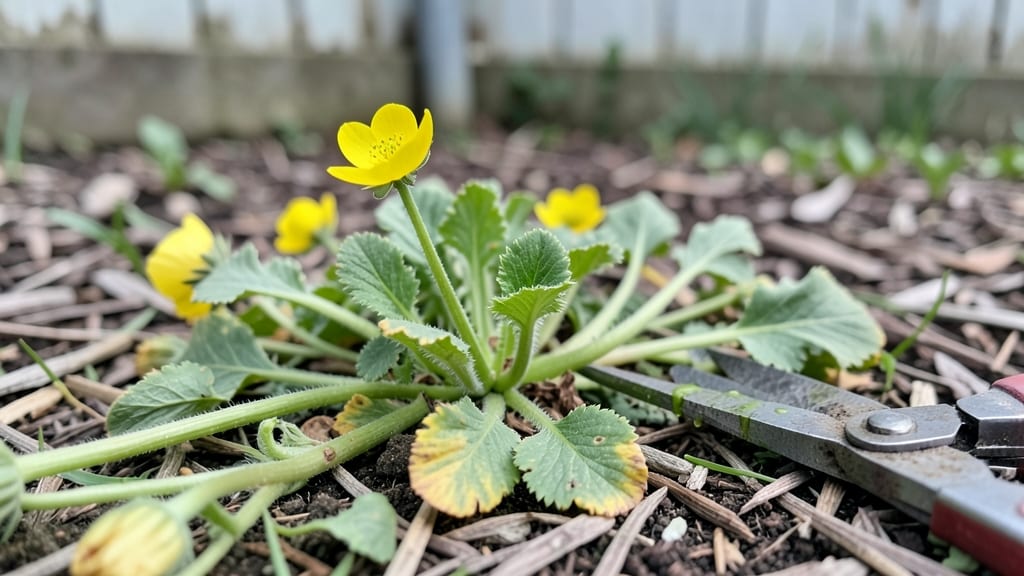
Buttercups in grass aren’t just unsightly—they’ll steal sunlight from your lawn if you let them take over. I’ve wrestled with these bright yellow invaders for years, and I’ve finally landed on a method that actually works without harsh chemicals. The key is timing and persistence, not brute force.
You’ll need a few simple tools: a sturdy weeding knife, a bucket of soapy water for the roots you pull, and either a natural vinegar mix or corn gluten meal for prevention. Most people give up after one session, but buttercups regrow from those tiny roots if you’re not thorough.
I’ll show you how to pull them all—roots and stubborn taproots included—so they don’t come back in two weeks.
Within 2-3 weeks of consistent treatment, your lawn will look noticeably cleaner, with fewer bright yellow spots stealing the show. The best part? Your grass will fill in faster once those buttercups are gone, and you’ll avoid the chemical runoff that can harm nearby plants or pets.
Here’s exactly how I do it, step by step.
This method works best in early spring or fall when buttercups are actively growing but before they go to seed. If you’re in a dry climate, water the area first—soil loosens up, making those roots easier to tug out.
And yes, it takes elbow grease, but once you see your lawn’s true green color return, you’ll wonder why you didn’t start sooner.
Why it happens
Buttercups popping up in your grass aren’t just a cosmetic nuisance—they’re a sign your lawn’s balance is off. These bright yellow weeds thrive when conditions favor them over your grass, and understanding why they take over is the first step to stopping them.
Let’s break down the science behind their persistence and how your lawn’s health (or lack thereof) invites them in.
🌱 Poor Soil Quality Creates a Weed Buffet
Buttercups are opportunistic weeds that love nutrient-poor, compacted, or acidic soil. Here’s why they win in these conditions:
- Low nitrogen levels: Buttercups thrive where grass struggles to grow. If your lawn is thin or patchy, it’s likely starving for nitrogen—the key nutrient grass needs to outcompete weeds. Test your soil (pH and nutrient levels) to confirm—ideal grass soil sits between 6.0 and 7.0 pH.
- Compacted soil: Heavy foot traffic, machinery, or clay-heavy soil creates a dense layer that blocks water, air, and roots from reaching deep. Buttercups, with their shallow but aggressive roots, sprout faster in these conditions than grass can recover.
- Lack of organic matter: Soil rich in compost or decomposed plant material retains moisture and nutrients, giving grass a competitive edge. Buttercups, however, don’t need fertile soil—they’ll colonize bare spots left by dead grass or bare patches.
💡 Pro Tip: Aerate your lawn in early fall to loosen compacted soil and top-dress with 1/4 inch of compost. This starves buttercups by improving grass’s access to water and nutrients.
💦 Overwatering or Irregular Watering
Buttercups are drought-tolerant, but they also love moisture—just not the kind that encourages deep grass roots. Here’s how watering habits help them:
- Light, frequent watering: When you water too often in shallow sessions (e.g., daily sprinklers), buttercups get the upper hand. Their seeds germinate quickly in moist topsoil, while grass roots stay shallow, making it easier for weeds to crowd them out.
- Drought stress: While buttercups handle dry spells, prolonged drought weakens grass, leaving bare patches for weeds to invade. Once established, buttercups outcompete grass for water during recovery.
- Poor drainage: Areas where water pools (like low spots) create anaerobic conditions that grass roots avoid, but buttercups tolerate. They’ll thrive in soggy soil that grass can’t survive in.
🌡️ Actionable Fix: Water deeply 1–2 times per week (1–1.5 inches per session) to encourage grass roots to grow deep. Use a rain gauge or tuna can to measure—buttercups hate consistency!
☀️ Too Much Sun or Shade Stress
Buttercups are sun-loving weeds, but they also exploit stress points in your lawn caused by light conditions. Here’s how:
- Overly sunny lawns: In full-sun areas, grass can struggle if it’s not the right species (e.g., cool-season grasses like Kentucky bluegrass may thin in intense heat). Buttercups fill these gaps because they photosynthesize efficiently in bright light.
- Shady or thin grass: Under trees or in north-facing areas, grass often grows slowly or dies due to lack of sunlight. Buttercups, however, germinate and spread quickly in these spots because they don’t need as much light as grass.
- Seasonal stress: Late spring and early summer are peak times for buttercups because grass growth slows due to heat, while buttercups bolt (flower) aggressively to spread seeds.
✨ Solution: Choose shade-tolerant grass (like fine fescue) for low-light areas and drought-resistant varieties (like tall fescue) for sunny spots. Overseed bare patches in early fall to outcompete buttercups before they seed.
🌾 Thin or Dead Grass Leaves Gaps
Buttercups never invade healthy, thick grass. They target weak spots where grass is missing or struggling. Common causes include:
- Disease or pests: Fungal infections (like brown patch) or insect damage (grubs, chinch bugs) kill grass, leaving buttercups free rein to move in.
- Herbicide overspray: If you’ve used broadleaf herbicides (like 2,4-D), they can kill grass while leaving buttercups unharmed—or worse, stimulating their growth.
- Foot traffic or pet damage: Compacted or trampled areas prevent grass recovery, giving buttercups a permanent foothold.
🔥 Quick Fix: Reseed bare spots immediately with a grass/weed mix (like ryegrass for fast germination) and avoid herbicides until grass is fully established. For pest/disease damage, treat the root cause first!
Effective Ways to Remove Buttercups
Now that you understand why buttercups thrive in your lawn, let’s tackle the problem head-on with practical, step-by-step solutions. Whether you’re dealing with a small patch or a full-blown invasion, these methods will help you reclaim your grass—naturally or with targeted tools.
🌱 Early Removal: Pull by Hand
Best for: Small patches, early-stage buttercups (before they seed). When to do it: Spring or fall, when soil is moist.
Buttercups are shallow-rooted, making them easy to pull if caught early. Here’s how:
- 👩🌾 Wear gloves to protect your hands from sap (which can cause skin irritation).
- 💧 Water the area a day before pulling to soften the soil.
- 🔥 Grab the base—twist or pull upward to remove the entire root (even a small piece left behind will regrow).
- 🗑️ Dispose of plants in a sealed bag or trash bin (never compost—seeds can survive!).
Pro Tip: 💡 Pull on a cloudy day to avoid stressing your lawn further. Buttercups wilt faster in cooler conditions, making them easier to remove.
🔥 Vinegar or Salt Spray: Natural Weed Killer
Best for: Medium-sized patches, organic lawn care. When to do it: Warm, dry days (avoid windy conditions).
Buttercups hate vinegar’s acetic acid or salt’s dehydrating power. Mix one of these solutions and spray directly on the leaves (avoid grass to prevent damage):
| Option | Recipe | Application |
|---|---|---|
| Vinegar Solution | 1 gallon white vinegar + 1 cup dish soap | Spray on buttercups; repeat in 1-2 weeks. |
| Salt Solution | 1 gallon water + 2 cups salt | Spray on weeds; water lawn afterward to rinse. |
⚠️ Warning: Salt can harm grass and soil long-term—use sparingly and only on stubborn patches.
Pro Tip: 🌡️ For best results, apply when temperatures are above 70°F (21°C). The heat helps the solution work faster.
🪒 Pre-Emergent Herbicides: Stop Seeds Early
Best for: Prevention, large lawns prone to buttercups. When to do it: Early spring (before buttercups bloom) or fall.
Pre-emergent herbicides create a barrier that blocks buttercup seeds from germinating. Look for products containing:
- Corn gluten meal (natural, organic option)
- Pendimethalin (synthetic, long-lasting)
How to apply:
- 📅 Time it right: Apply 4-6 weeks before buttercups typically sprout in your area.
- 🌿 Mow the lawn short to ensure even coverage.
- 💦 Water lightly after application to activate the herbicide.
Pro Tip: ✨ Reapply in early fall to prevent late-season germination. Avoid overseeding grass for 3-4 months after application.
🔪 Post-Emergent Herbicides: Target Mature Plants
Best for: Established buttercups, quick results. When to do it: When buttercups are actively growing (spring to early summer).
For chemical control, use a selective herbicide designed for broadleaf weeds (like 2,4-D or dicamba). Follow these steps:
- 📖 Read the label—ensure the product is safe for your grass type.
- 🌧️ Apply on a calm, dry day (no rain for 24-48 hours).
- 🎯 Spray only the buttercups to avoid killing grass.
Pro Tip: 🎯 For spot treatment, use a paintbrush or sponge to apply herbicide directly to buttercup leaves—this minimizes grass exposure.
🌿 Improve Lawn Health: Long-Term Prevention
A thick, healthy lawn is the best defense against buttercups. Here’s how to crowd them out:
- 💪 Mow high (3-4 inches) to shade the soil and discourage weed growth.
- 💦 Water deeply but infrequently (1-1.5 inches per week) to encourage deep grass roots.
- 🌱 Overseed bare spots with a dense grass variety (like Kentucky bluegrass or fescue).
- 🍄 Fertilize regularly—buttercups thrive in nutrient-poor soil.
Pro Tip: 🌱 Aerate your lawn in fall to improve soil health and reduce buttercup-friendly compacted areas.
Final Note: Consistency is key! Combine early removal with preventive measures for the best long-term results. With patience, your lawn can go from buttercup-infested to lush and green.
Frequently asked questions
Why do buttercups keep coming back even after I pull them?
Buttercups regrow because their roots fragment easily—even tiny pieces left behind can sprout new plants. Always pull them when soil is moist (like right after rain) and check for hidden root fragments. For stubborn patches, use a vinegar solution (1 gallon vinegar + 1 cup dish soap) to kill remaining roots.
Is vinegar safe to use on my entire lawn?
Vinegar can damage grass if overused—it’s best for spot treatment only. Stick to small patches of buttercups, and avoid applying it to healthy grass. For larger areas, corn gluten meal (a natural pre-emergent) is a safer long-term solution.
When’s the best time of year to tackle buttercups?
Early spring or fall are ideal because buttercups are actively growing but not yet flowering. In these seasons, they’re easier to pull and less likely to spread seeds. Avoid treating in extreme heat or drought, as stressed grass recovers slower.
Can I use salt to kill buttercups without harming my lawn?
Salt is harsh and can damage soil long-term, but for stubborn patches, mix 1 gallon water + 2 cups salt and apply directly to buttercups. Rinse the area afterward with water to protect nearby grass. For safety, limit use to small, isolated spots.
How do I prevent buttercups from returning next year?
Healthy grass is your best defense! Mow high (3-4 inches), water deeply (1-1.5 inches weekly), and fertilize in fall. Overseed bare spots with shade-tolerant grass like fescue, and apply corn gluten meal in early spring to block seed germination.