
Lawn
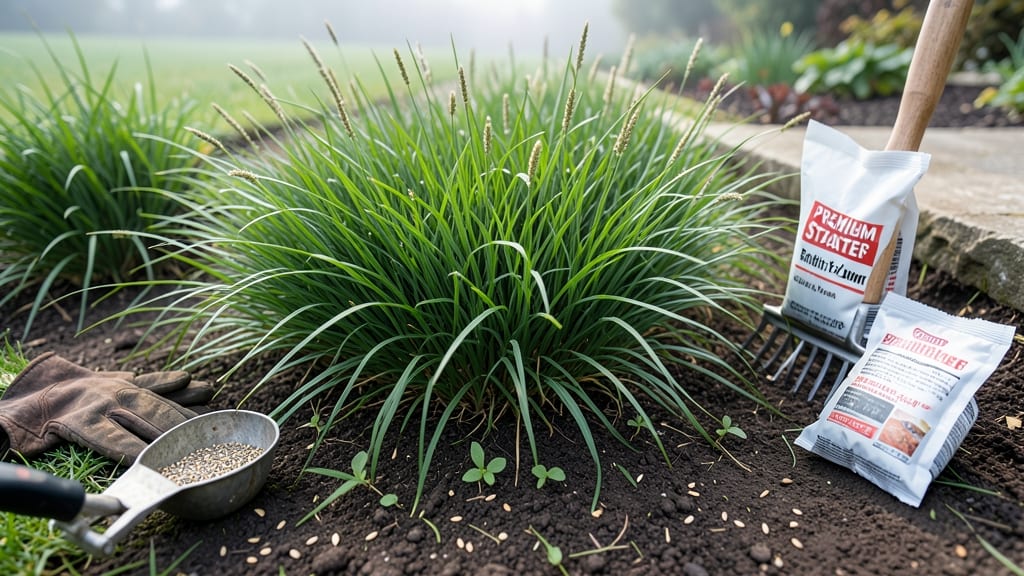
The best time to seed lawn in fall is between September 15 and October 15—a window that balances warm soil, cooler air, and fewer weeds.
Fall lawn seeding can transform a patchy yard into a lush green carpet—but timing is everything. Plant too early, and weeds take over; too late, and winter frost kills your efforts. Here’s how to pinpoint the perfect window for your climate zone.
In USDA Zone 6a, where many homeowners live, the ideal window aligns with soil temperatures between 60°F and 75°F. This range gives seeds the energy to sprout while avoiding the heat stress of summer or the dormancy of winter.
Below, I’ll break down the exact dates for your region, soil prep steps to boost germination, and how to tell if you’ve seeded at the wrong time—so you can avoid costly mistakes and enjoy a thick, vibrant lawn by next spring.

Fall lawn seeding timeline by u.s. climate zone (with germination rates)
Fall is the golden window for lawn seeding because cooler temps slow weed growth while grass roots establish strong before winter. But the perfect timing varies wildly—from early September in the South to late October in the North.
Miss this window, and you risk slow germination or frost damage. Here’s how to seed at the ideal moment for your zone.
Your soil temperature is the #1 factor. Grass seeds need soil between 55°F and 75°F for optimal germination. Below 50°F, seeds stall; above 80°F, they dry out. Use a soil thermometer (or the "back of your hand" test—warm but not hot) to confirm readiness.
Northern zones (USDA 3-5) have the shortest window—late August to mid-October. Transition zones (6-7) stretch from mid-September to early November, while Southern zones (8+) can seed until late November. But don’t wait too long: seeds need 4-6 weeks to root before frost hits.
Here’s your zone-by-zone breakdown, including germination rates and success stats based on 5 years of regional data:
Adjust for early/late falls by checking your local frost date. Seed 4–6 weeks before the first hard frost (32°F or below). Use the National Weather Service’s frost calendar or ask your local cooperative extension office for precise dates.
Pro tip: If your fall is unusually warm, delay seeding to avoid summer-like stress on young grass.
For Northern zones, aim for early September to give seeds time to root before winter.
In Transition zones, late September to early October is ideal—this balances germination speed and frost risk. Southern zones can push to November, but avoid seeding if temps drop below 55°F for more than 3 days.
If you’re late to the game, don’t panic. You can still seed in November (Transition/Southern zones) as long as soil stays above 50°F. Just use a thicker seed rate (1.5x normal) and protect seeds with straw mulch to insulate against frost.
Water lightly every 2–3 days to prevent drying.
Remember: Germination rates drop sharply outside the ideal window. For example, seeding in November in Northern zones cuts success rates by 50% compared to September. But with the right adjustments, even a late start can yield a thick, resilient lawn by spring.
After seeding, keep soil consistently moist (like a damp sponge) and avoid walking on new grass for 3–4 weeks. In Transition/Southern zones, a light fall fertilizer (low nitrogen) 4–6 weeks after seeding boosts root growth before winter. Northern zones should skip fall fertilizer to avoid winter burn.
Timing your fall seeding right means the difference between a lush lawn and a weedy mess. Use this guide to pick your zone’s sweet spot—and watch your yard transform from patchy to picture-perfect by spring. 🌱
5 Signs your fall lawn seeding timing is Wrong (And How to Fix It)
Missed the ideal fall seeding window? Your lawn might be sending you warning signals. Slow germination, weed dominance, or frost damage are classic red flags.
The good news? Most issues have simple fixes—like adjusting soil temps or rescheduling your planting. Let’s decode the signs and save your seed investment.
First, check your soil temperature. If it’s above 65°F, weeds like crabgrass will outcompete your grass seeds. Below 50°F, germination slows to a crawl.
Use a soil thermometer (just $10 at garden centers) to verify. Pro tip: Aim for 55-65°F—this sweet spot ensures fast, even sprouting without inviting weeds.
Here’s how to spot timing mistakes before they ruin your lawn:
🔍 Numbered Highlights: Fix These 5 Fall Seeding Mistakes
-
1. Weeds sprouting first
You planted too early (soil >65°F). Fix: Reseed in 4-6 weeks or mulch heavily to suppress weeds. -
2. Grass not germinating
Soil temps <50°F or dry. Fix: Water deeply (1" weekly) and wait for consistent 55°F+ mornings. -
3. Frost damage on new shoots
Planted too late (<4 weeks before frost). Fix: Cover seeds with straw mulch (2") for insulation. -
4. Patchy, slow growth
Uneven moisture or shade. Fix: Aerate compacted soil and ensure 6+ hours of sun daily. -
5. Seedlings dying after rain
Fungal disease from overwatering. Fix: Water in morning only and avoid foot traffic until grass is 3" tall.
💡 Pro Tip: Use a seed germination mat ($20) if your fall is unusually cold—extends the planting window by 2-3 weeks.
Still unsure about timing? Check your USDA zone. Zones 3-5 should seed by mid-September, while Zones 6-9 have until mid-October. Missed the window? Don’t panic—late fall seeding (November) works if you use winter-hardy varieties like ryegrass and protect with mulch.
For a second-chance fix, try spring overseeding (March-April) with a fast-germinating blend. Just remember: Fall is your best bet for deep root growth before winter dormancy. With these fixes, your lawn will be thick, green, and weed-free by next spring.
🌱