
Fertilization
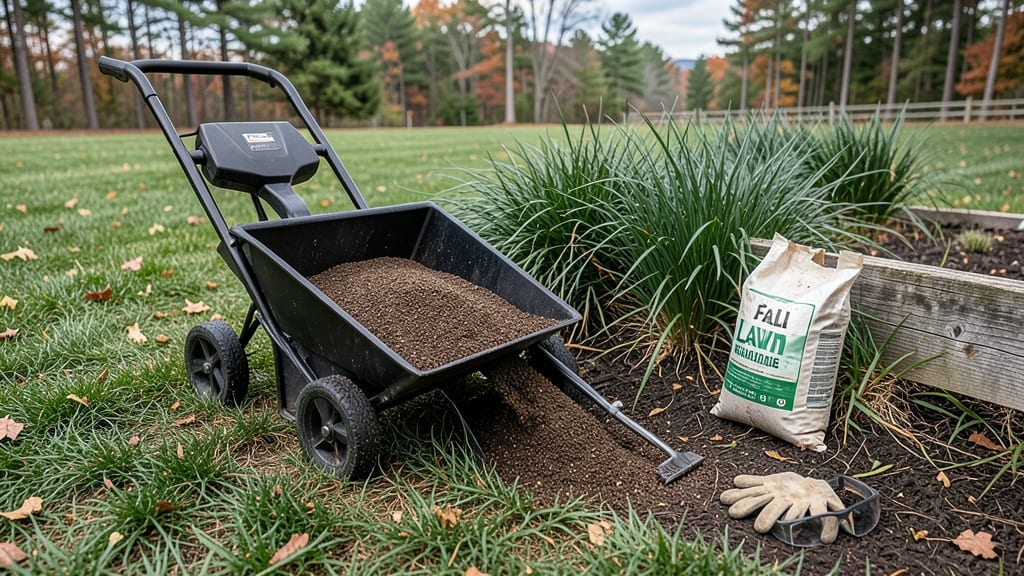
Fertilizing your lawn in the fall is the best way to lock in next year’s green growth—just don’t wait too late.
Here’s the catch: most gardeners either fertilize too early (and waste nutrients) or too late (and risk winter burn). The sweet spot is late September, when soil temps are still warm enough for roots to soak up nutrients but cool enough to avoid stress.
Miss this window, and you’ll end up with a lawn that’s either starving or scorched by frost.
Why does timing matter so much? Fall fertilization isn’t just about feeding grass—it’s about strengthening roots before winter dormancy. A well-timed boost in late September gives your lawn the energy to bounce back faster in spring, while also preventing thatch buildup and weeds from taking over.
Think of it as giving your grass a cozy blanket for the cold months ahead.
In this guide, I’ll break down the exact timing for your region, the right fertilizer to use, and how to apply it without overdoing it.
Whether you’re in a cooler climate (like USDA Zone 6a) or a milder one, you’ll learn how to make fall fertilization work for your lawn—no guesswork included.

Why late September is the optimal time for fall lawn fertilization
Fall fertilization transforms your lawn from a winter survivor to a spring superstar. The 4-6 week window before your first frost (typically late September) aligns perfectly with grass's natural growth cycles.
This timing lets grass absorb nutrients while soil stays warm enough for root expansion—without the stress of summer heat.
Grass roots grow most actively when soil temperatures hover between 50°F and 65°F. Late September delivers these ideal conditions in most USDA Zones 5-8, giving grass time to store energy for dormancy.
Fertilizing too early risks nutrient burn from summer heat, while waiting too long means missed root growth before frost.
Here’s why late September stands out scientifically: Grass enters a dormancy prep phase as days shorten. Applying fertilizer now triggers carbohydrate storage in roots—fuel for next spring’s early growth. Without this boost, lawns often yellow or thin in early spring, struggling to outcompete weeds.
The NPK ratio matters too. Fall fertilizers prioritize potassium (K) and phosphorus (P) (like 10-0-20 blends) to strengthen roots and disease resistance. Nitrogen (N), which fuels leaf growth, becomes less critical as grass slows down. This balance prevents winter burn while maximizing nutrient uptake.
🌱
One common misconception is that fall fertilization is just about winter survival. In reality, it’s about spring launch. Grass fertilized in late September often greens up 2–3 weeks earlier than unfertilized lawns.
This head start comes from the carbohydrates stored in roots during fall—think of it as a natural energy reserve for early spring growth.
Regional variations exist, but late September is the sweet spot for most gardeners in USDA Zones 5–8. In cooler northern zones (Zone 4), shift to early October, while southern regions (Zone 9+) may need fertilization by early September.
Always check your local frost dates—aim to fertilize 6 weeks before the first expected frost.
Another key advantage of late September timing is reduced weed pressure. Fertilizing now encourages grass to fill in gaps before weeds germinate in spring. Weeds like crabgrass thrive in thin lawns, so a well-fed fall lawn gives your grass a competitive edge.
This is why professional lawn care often includes fall fertilization as a non-negotiable step.
For best results, pair fertilization with light overseeding (if needed) and proper watering. Water deeply for 24–48 hours after applying fertilizer to help nutrients reach roots. Avoid heavy foot traffic on fertilized areas for 48 hours to prevent uneven distribution.
🌿
Step-by-step guide to fertilizing your lawn in late September
Late September is the perfect time to give your lawn a nutrient boost before winter sets in. This is when grass roots grow most actively, absorbing nutrients to strengthen for spring.
The key is choosing the right fertilizer type and applying it correctly to avoid common mistakes like over-fertilizing or burning your lawn.
For best results, opt for a slow-release fertilizer with a higher potassium (K) content, like a 10-0-20 or 30-0-4 blend. These formulas help roots harden before winter while minimizing winter burn. Avoid quick-release fertilizers—they can stress grass in cooler temperatures.
Here’s how to fertilize your lawn step-by-step for maximum impact:
Use a soil test kit to check pH levels and nutrient deficiencies. Ideal lawn pH is 6.0–7.0. Adjust with lime or sulfur if needed before fertilizing.
Select a slow-release, high-potassium fertilizer (e.g., winterizer blend). Avoid quick-release nitrogen, which can cause winter burn.
Use 1 pound per 100 sq ft. Spread evenly with a broadcast spreader, overlapping slightly for uniform coverage.
Water lightly to activate granules without washing them away. Aim for ¼ inch of water over the lawn.
Apply 1 inch of water to help nutrients penetrate the soil. Water in the morning to reduce fungal risks.
Stop fertilizing 4–6 weeks before first frost. This gives roots time to absorb nutrients without encouraging late-season growth.
One of the biggest mistakes gardeners make is over-fertilizing in late fall. Too much nitrogen can lead to winter burn, where grass turns brown and dies back. Stick to the recommended rates and avoid applying fertilizer if frost is forecasted within a week.
After fertilizing, keep an eye on your lawn’s watering schedule. Grass needs 1 inch of water per week, but reduce frequency as temperatures drop. Mow one last time before winter, setting your mower blade to 2.5–3 inches to protect roots from freezing.
With this late-September fertilization, your lawn will wake up greener and stronger next spring—no extra effort required during the growing season. Happy gardening! 🌱