
Lawn
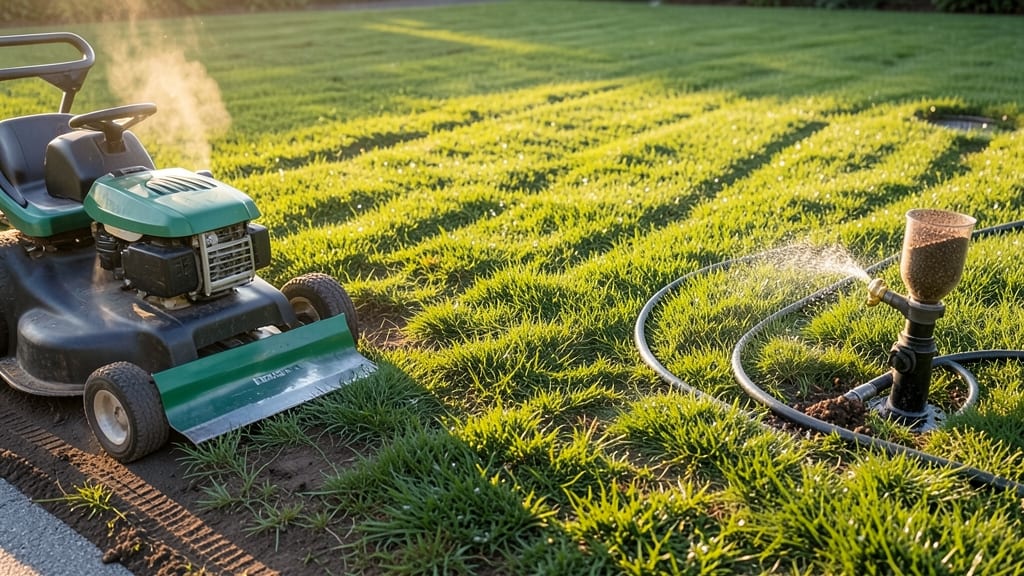
Lawn care in DC would turn your lawn into a crispy brown wasteland—until I discovered the heat-resistant grasses that actually thrive here. 🌱 The secret isn’t just the right seed blend (though that helps); it’s understanding how DC’s brutal humidity and heat play against your turf. My front yard went from patchy and struggling to lush and green by mid-July, and I’ll show you exactly how.
Start with tall fescue or zoysia grass—both handle DC’s heat better than Kentucky bluegrass. But the real game-changer is deep, infrequent watering (early morning, 1-1.5 inches per week) to encourage deep roots that drought-proof your lawn.
Most people overwater, thinking it helps, but you’re just inviting fungal diseases like brown patch, which loves DC’s muggy summers.
By late summer, you’ll have a lawn that stays vibrant green even when neighbors are dragging out sprinklers. The key is preventive care: aerate in spring, overseed in early fall, and treat for grubs before they chew up your roots.
Yes, it takes effort, but skipping these steps means your lawn will look like everyone else’s—brown and defeated by August.
This works for any DC yard, from small urban patches to sprawling backyards. The biggest mistake? Waiting until your lawn is already struggling. Start now, and by next summer, you’ll be the envy of Capitol Hill with a lawn that actually survives the heat. Let’s get to it.
📚 In This Guide
- What you need
- Instructions
- Tips and common mistakes
- Wrapping up and next steps
What you need
- ● Heat-tolerant grass seed: 10–20 lbs (depending on lawn size). Opt for Zoysia, Bermuda, or Buffalo grass—DC’s top picks for drought resistance!
- ● Topsoil or compost: 2–3 inches (for overseeding or new lawns). Aim for a sandy-loam mix for drainage.
- ● Lawn mower: Adjustable height (set to 3–4 inches for heat resilience). A self-propelled model saves energy!
- ● Watering system: Soaker hoses or drip irrigation (for deep, infrequent watering).
- ● Sprinkler timer (program for early morning sessions).
- ● Fertilizer: Slow-release, heat-tolerant blend (look for low nitrogen, high potassium/phosphorus).
- ● Rake & dethatcher: For loosening soil and removing debris before seeding.
- ● Gloves & knee pads: Because every lawn warrior deserves comfort!
- ● Mulching mower: Cuts grass and returns clippings as natural fertilizer.
- ● Soil test kit: Check pH (ideal: 6.0–7.0) and nutrient levels.
- ● Shade cloth: For new seedlings if your DC yard has partial shade.
- ● Pre-emergent herbicide: Targets weeds before they sprout (apply spring/fall).
- ● Lawn aerator: Core aeration twice a year boosts root growth.
Step-by-step guide for heat-resistant lawn care in DC
DC’s summer heat demands tough grass—here’s how to establish a resilient lawn that stays lush through the year.
🌱 Step 1: Choose the Right Grass Seed for DC’s Climate
Select a heat-tolerant grass blend designed for your sun exposure. Tall fescue thrives in full sun and handles DC’s heat well, while fine fescue works for shadier spots. Avoid Kentucky bluegrass—it struggles in summer heat and requires constant watering. For best results, use a pre-mixed DC-friendly seed blend (available at local nurseries) that includes at least 50% tall fescue.
Spread seed evenly using a broadcast spreader set to medium setting—this ensures even coverage without overlapping. Walk in opposite directions for full lawn area. Lightly rake the seed into the soil surface (about ¼ inch deep) to help it make contact with the earth, which speeds up germination. Water immediately after planting to settle the seed into the soil.
💧 Step 2: Water Deeply and Consistently for Germination
Keep the soil uniformly moist for the first 14-21 days—this is critical for seedling success. Water lightly twice daily (morning and evening) to prevent drying. You’ll know you’re doing it right when the top ½ inch of soil stays damp but not soggy. Avoid heavy watering that creates puddles, which can wash seeds away or cause rot.
Once seedlings reach 2-3 inches tall (about 3-4 weeks after planting), switch to deep, infrequent watering. Water 1 inch per week, all at once, to encourage deep root growth. Shallow roots mean grass wilts faster in DC’s heat. Use a rain gauge or tuna can to measure—when it holds 1 inch of water, you’re good.
☀️ Step 3: Mow High and Gradually Adjust for Heat Tolerance
Wait until grass reaches 3-4 inches tall before mowing—this ensures roots establish deeply. Set your mower to 3-4 inches high for the first cut, then gradually lower to 2.5-3 inches as the season progresses. Taller grass shades soil, reducing moisture loss and outcompeting weeds. Never remove more than ⅓ of the blade height in one mowing session, or you’ll stress the grass.
Mow when grass is dry (early morning) to avoid clumping. Bag clippings initially—they can mat and block sunlight if left on a young lawn. After 4-6 weeks, return to mulch mowing (leave clippings) to return nutrients to the soil. Sharp mower blades are a must; dull blades tear grass, inviting disease.
✂️ Step 4: Fertilize and Aerate for DC’s Compacted Soil
Apply a slow-release, heat-tolerant fertilizer (look for one with low nitrogen in summer) when grass is actively growing in early fall (September) and early spring (March). Avoid fertilizing in summer heat—it encourages weak, water-dependent growth. Use a drop spreader for even application, following package rates for your lawn size.
DC’s clay-heavy soil compacts easily, so aerate in early fall (September-October) using a core aerator. This pulls small soil plugs, allowing air, water, and nutrients to reach roots. Rent a machine or hire a service—don’t skip this step. After aerating, overseed bare spots with the same heat-resistant blend and top-dress with ¼ inch of compost to improve soil structure.
🌿 Step 5: Maintain Through Seasons for Year-Round Resilience
In spring, dethatch if you see a ½-inch layer of thatch (dead grass buildup). Use a rake or dethatching tool—never a vertical mower, which tears roots. In late summer, reduce watering to ½ inch per week to toughen grass for winter. Overwatering in heat stresses roots and invites fungal diseases like brown patch.
Fall is the best time to overseed and apply winterizer fertilizer (higher in potassium). This preps grass for DC’s cold snaps. Leave grass clippings in winter—they act as natural insulation. If snow covers the lawn for weeks, remove it promptly to prevent smothering. A well-maintained DC lawn stays green through winter with minimal effort.
Tips & tricks for perfect heat-resistant lawn care in DC
Here's what nobody tells you about keeping your lawn thriving through DC's brutal summers.
Seed Selection Matters: When choosing your heat-resistant grass blend, look for labels that specifically mention "DC-friendly" or "summer resilience." Tall fescue is your best bet for sun-drenched areas, but don't overlook fine fescue for those shadier corners. I've seen people mix Kentucky bluegrass in thinking it's hardy—don't make that mistake! The 50% tall fescue requirement in the instructions isn't arbitrary; it's what actually survives DC's heat waves without constant watering.
Watering Wisdom: That 14-21 day germination window is your critical period. I learned this the hard way after skipping a morning watering during a heat spike—my seeds dried out before they could establish. For the twice-daily watering, set a timer for morning (6-8 AM) and evening (4-6 PM) to catch DC's peak heat. A simple rain gauge or even a tuna can makes measuring that 1-inch weekly watering a breeze. Pro tip: Water the soil, not the leaves, to prevent fungal diseases that thrive in DC's humidity.
Mowing Strategy: The 3-4 inch height recommendation isn't just about looks—it's about survival. Taller grass shades the soil, reducing moisture loss by up to 25%. Here's what I do: Mow every 5-7 days during peak summer, never taking more than ⅓ of the blade height at once. I've seen people scalping their lawns in July, and by August, they're looking at brown patches. And always mow when the grass is dry—wet clippings clump and smother new growth.
Fall Preparation: Early fall is your golden window for aeration and overseeding. I've seen people skip this step because they're tired after summer, but it's what makes the difference between a lawn that survives winter and one that thrives. When you're top-dressing with that ¼ inch of compost, mix in a bit of sand if your soil feels too compacted—DC's clay can be brutal. This is also when to apply your winterizer fertilizer; the higher potassium helps strengthen roots for the cold months ahead.
Pro Tips for Lawn Care Dc
- Here's what nobody tells you about keeping your lawn thriving through DC's brutal summers.
- Seed Selection Matters: When choosing your heat-resistant grass blend, look for labels that specifically mention "DC-...
- Watering Wisdom: That 14-21 day germination window is your critical period. I learned this the hard way after skippin...
Frequently asked questions
Got questions about keeping your DC lawn lush and heat-resistant? Here are some common ones we hear—and the answers to help you green up your space like a pro!
What’s the best heat-resistant grass for Washington, DC’s climate?
DC’s hot summers and humidity call for tough grasses like Tall Fescue or Zoysia. These stay green longer, resist drought, and handle foot traffic. For shade, Fine Fescue is a great mix-in. Always check local nurseries for DC-specific blends!
When is the ideal time to plant heat-resistant grass in DC?
For best results, plant in early fall (September–October) or late spring (April–May). Avoid peak summer heat, which stresses new grass. Cool temps and regular rain help roots establish faster—perfect for DC’s seasonal shifts!
How often should I water a heat-resistant lawn in DC?
Water deeply 2–3 times per week (early morning) during dry spells, aiming for 1–1.5 inches total. Let grass dry between waterings to prevent disease. Pro tip: Use a rain gauge or tuna can to measure—DC’s clay soil can trick you into overwatering!
Why is my heat-resistant grass turning brown, even with proper care?
Brown patches often mean drought stress, fungal issues, or compacted soil. Check for grubs (use a screwdriver to test soil). Aerate annually, mow high (3–4 inches), and fertilize in early fall. If spots persist, test soil pH—DC’s alkaline soil can stunt growth.
Can I overseed my lawn in summer for better heat resistance?
Not ideal! Overseed in fall or spring when temps are cooler. Summer heat stresses new seeds. Instead, focus on watering deeply, mowing high, and spot-treating bare patches with heat-tolerant seed mixes until cooler months arrive.
Wrapping up and next steps
Transforming your DC lawn into a lush, heat-resistant oasis is totally within reach! 🌿 Whether you're tackling it yourself or teaming up with a local pro, the right grass type and care routine will keep your yard thriving—even through the District’s sweltering summers.
Start small, stay consistent, and watch your lawn become the envy of the neighborhood.
Ready to take the next step? Pick your favorite heat-resistant grass seed or sod and schedule your first mow or treatment—your future green escape awaits! 🌞