
Lawn
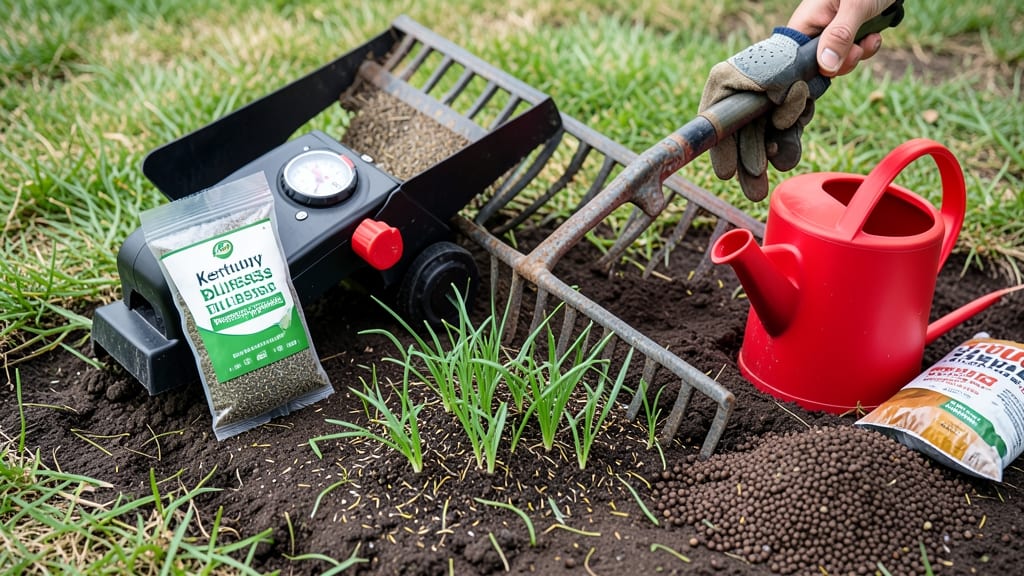
Planting lawn seed in October gives your grass a critical head start before winter dormancy, but the timing depends on your climate zone.
Picture this: You’ve spent all summer battling weeds and thinning patches, only to realize your new lawn won’t even sprout if you wait until spring. October is your best shot—cooler temps and fewer pests mean stronger root growth before the ground freezes.
In USDA Zone 6a, like much of the Midwest, early October is ideal, but Southern states should aim for late September to avoid early frost. Meanwhile, Northern regions can push it to mid-October, giving seeds 4-6 weeks to establish before winter.
Below, I’ll break down the exact planting window for your zone, the top cool-season grasses for fall seeding, and the prep steps that make or break success—so you can skip the guesswork and get a lush lawn by spring.

Best October lawn seed planting timeline by USDA climate Zones
October is one of the best months to plant lawn seed because cooler temperatures and increased rainfall create perfect conditions for germination and root growth. However, the exact timing depends on your USDA climate zone—planting too early or late can lead to poor establishment before winter dormancy.
In this guide, I’ll break down the ideal planting windows for each zone to help you maximize success.
For most regions, planting 4-6 weeks before your first frost date gives seeds enough time to establish roots before the ground freezes. This window typically falls in early to mid-October for cooler zones, while warmer southern climates may extend it into late October or even early November.
Let’s explore the specifics for each zone to ensure your lawn thrives.
Pro Tip: Always check your local frost date (available from the National Weather Service) and adjust accordingly. Coastal areas may have milder winters, while inland zones can experience earlier freezes.
If you’re in Zone 3-5, act fast—cool nights and shorter days mean seeds need to germinate quickly. I recommend perennial ryegrass for these areas because it establishes roots faster than other varieties.
For Zones 6-7, you have a bit more flexibility, but don’t wait past mid-October unless you’re in a Pacific Northwest microclimate, where milder winters extend the window.
In Zones 8-9, where winters are mild but summers are hot, late October planting lets seeds establish before the heat returns. This is ideal for tall fescue, which handles heat better than other cool-season grasses.
Just avoid planting in areas prone to late-season drought, like inland Southern California.
For Zones 10-11, October is actually the wrong time—warm-season grasses like Bermuda or Zoysia thrive when planted in late spring or summer. If you’re in these zones and want a cool-season lawn, consider shade-tolerant grasses like St. Augustine for partial-shade areas.
Regional Exceptions: The Pacific Northwest (e.g., Seattle, Portland) often has cooler, wetter Octobers than inland areas, so you can plant up to October 31. Meanwhile, the Deep South (e.g., Georgia, Alabama) may experience early freezes, so stick to early October for best results.
After planting, keep seeds consistently moist (about 1–1.5 inches of water per week) and avoid heavy foot traffic until germination. In Zones 6-9, a light fall fertilization (with 10-10-10 NPK) can boost root growth before winter.
For Zones 3-5, skip fertilization until spring to avoid encouraging late-season growth that won’t harden off before frost.
Remember, the goal is to give your lawn 4-6 weeks of active growth before the ground freezes. By following these zone-specific guidelines, you’ll set your grass up for a lush, weed-resistant lawn come spring. Happy planting! 🌱
October lawn seed selection: cool-season grasses that thrive after fall planting
October is the perfect time to plant cool-season grasses because the soil stays warm while air temperatures drop, creating ideal conditions for seed germination and root development.
Unlike warm-season grasses like Bermuda or Zoysia, cool-season varieties like tall fescue and Kentucky bluegrass thrive when planted in early fall, giving them a head start before winter dormancy. But which grass is best for your lawn? Let’s compare the top options for October planting.
When selecting lawn seed for October, focus on cool-season grasses that can handle light frost and establish strong roots before winter. These grasses typically germinate in 7–21 days and can tolerate shade and foot traffic once established.
Avoid warm-season grasses, which struggle in cooler temperatures and won’t germinate well after October. Instead, prioritize varieties that balance drought tolerance, color retention, and disease resistance.
Cool-Season Grasses for October Planting
Tall Fescue
- Pros: Deep roots, drought-resistant, shade-tolerant
- Cons: Slower germination (14–21 days), can be coarse
Kentucky Bluegrass
- Pros: Vibrant green, spreads quickly, cold-hardy
- Cons: Needs full sun, prone to weeds, high maintenance
Perennial Ryegrass
- Pros: Fast germination (7–10 days), dense growth
- Cons: Short lifespan (3–5 years), needs frequent mowing
Best for shade: Tall Fescue
Best for full sun: Kentucky Bluegrass
Best for fast results: Perennial Ryegrass
If your lawn gets partial shade, tall fescue is my top recommendation for October planting. Its deep root system helps it survive drought and recover from foot traffic, while its shade tolerance makes it ideal for areas under trees or near buildings.
For full-sun lawns, Kentucky bluegrass delivers that lush, green look but requires more maintenance to stay weed-free. Mixing perennial ryegrass with tall fescue can speed up germination and fill gaps quickly, though it won’t last as long.
One common mistake is planting warm-season grasses in October, like Bermuda or Centipede, which won’t germinate until soil temperatures rise in spring. Instead, stick to cool-season varieties and pair them with a light fall fertilizer (like 10-10-10) to boost root growth.
Water deeply 2–3 times per week until germination occurs, then taper off to avoid fungal diseases. With the right grass and care, your October planting can result in a thicker, greener lawn by spring.
For USDA Zones 3–7, aim to plant by mid-October to allow 4–6 weeks of root growth before the ground freezes. In Zones 8–10, you can extend planting into early November, but avoid seeding if frost is forecasted within 2 weeks.
Always check your local first frost date and adjust accordingly. With the right grass and timing, October can be the most rewarding month for lawn seeding!
Pro tip: Test your soil’s pH level before planting—cool-season grasses prefer a pH of 6.0–7.0. If your soil is too acidic, add lime 4–6 weeks before seeding to give it time to adjust. Happy planting! 🌱