
How To
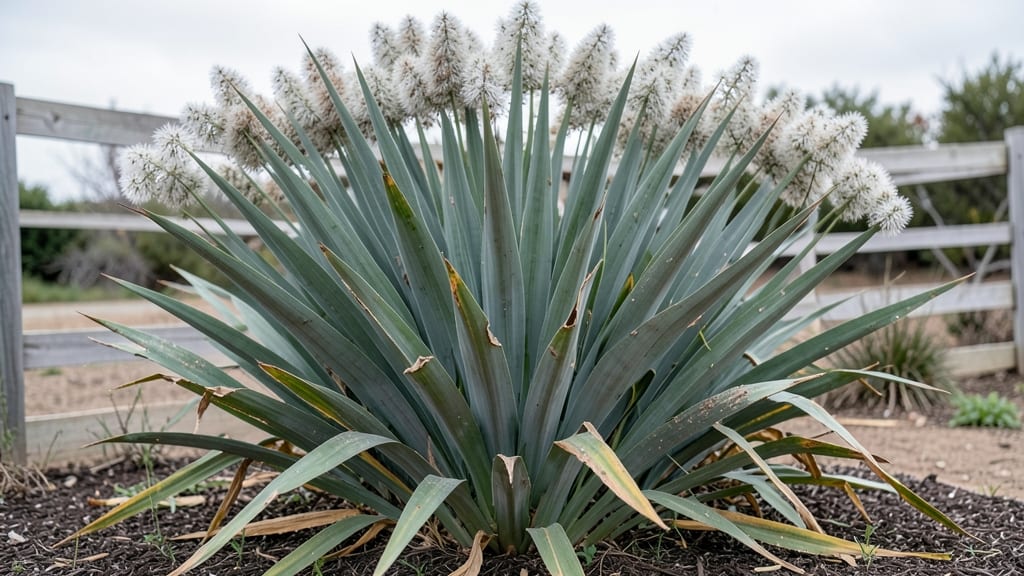
Pampas grass typically reaches heights of 6 to 15 feet, depending on the variety, with some ornamental types like Cortaderia selloana growing up to 12 feet tall while dwarf cultivars stay under 4 feet. Proper spacing and pruning influence mature height and spread.
When planning your landscape, remember that pampas grass isn't just about height—it's also about impact. 🌿 The tallest varieties like Cortaderia selloana create dramatic vertical accents, perfect for screening or focal points, while dwarf types work well in smaller gardens or containers.
What's fascinating is how their feathery plumes sway in the wind, adding movement to any space, regardless of size.
Growth habits vary by climate too—cooler regions may see slightly slower growth, while warmer zones can push heights closer to the upper limits. I always recommend checking local frost dates before planting, as young plants need protection in early spring or fall.
The right placement can turn this grass from a towering statement piece into a manageable, low-maintenance feature.
💡 In This Article
- Pampas Grass Height Variations by Species and Cultivars
- Optimal Planting Spaces to Control Pampas Grass Growth
Pampas grass height variations by species and cultivars
The height of pampas grass isn't random—it's determined by genetics, species classification, and environmental factors. Cortaderia selloana, the most popular ornamental variety, typically reaches 8-12 feet at maturity, with some specimens exceeding 15 feet in ideal conditions.
This species dominates landscapes due to its dramatic plumes and rapid growth rate of 2-3 feet per year once established. The key genetic factor here is its native South American origins, where it evolved to thrive in open, windy environments that encouraged vertical growth for seed dispersal.
In contrast, Cortaderia jussieui (also called giant pampas grass) can grow even taller—10-15 feet—but with a more aggressive spread pattern. Its rhizomes expand horizontally at rates of 3-5 feet per year, making it better suited for large properties or screening projects.
Then there's Cortaderia argentea, a smaller native species that rarely exceeds 5 feet, perfect for ground cover or smaller gardens.
The height differences stem from variations in their culm (stem) length and leaf blade size—C. selloana has elongated stems with wider leaf bases that support greater vertical growth.
Dwarf cultivars like 'Pumila' or 'Little Pampas' stay under 4 feet tall, offering all the ornamental appeal without the space requirements. These compact varieties achieve their smaller stature through selective breeding that limits stem elongation while maintaining dense foliage. The trade-off?
They produce fewer plumes per stalk since energy is directed toward bushier growth rather than height. For visual reference, a 4-foot dwarf pampas grass is roughly the height of a standard kitchen countertop, while a 12-foot specimen would match the height of a two-story building's second-floor window.
What most gardeners don't realize is how climate interacts with these genetic tendencies. In USDA Zone 8-10, where winters are mild, pampas grass can grow 20-30% taller than in cooler zones like Zone 5-7, where cold snaps trigger dormancy.
The northernmost varieties (C. argentea) have evolved shorter stature as a survival adaptation to harsher winters. Even within the same species, elevation changes can affect height—plants at 5,000 feet may grow 1-2 feet shorter than those at sea level due to reduced oxygen availability affecting cellular expansion.
Here's how to visualize the scale: Imagine planting three varieties side by side—C. selloana at 10 feet, C. jussieui at 12 feet, and a dwarf at 3 feet. The height difference between the tallest and shortest is equivalent to stacking three standard 4-foot-tall patio umbrellas.
This dramatic range is why landscape designers often use pampas grass as a vertical accent in modern designs, creating instant height without the maintenance of trees. The feathery plumes alone can add 3-5 feet of visual height to a planting bed.
For those considering pampas grass, the height choice directly impacts your landscape's scale. A 12-foot specimen can screen an entire backyard, while a 4-foot dwarf adds texture to a front garden without overshadowing other plants.
The secret to managing height lies in understanding each variety's growth potential and matching it to your space. 🌟