
How To
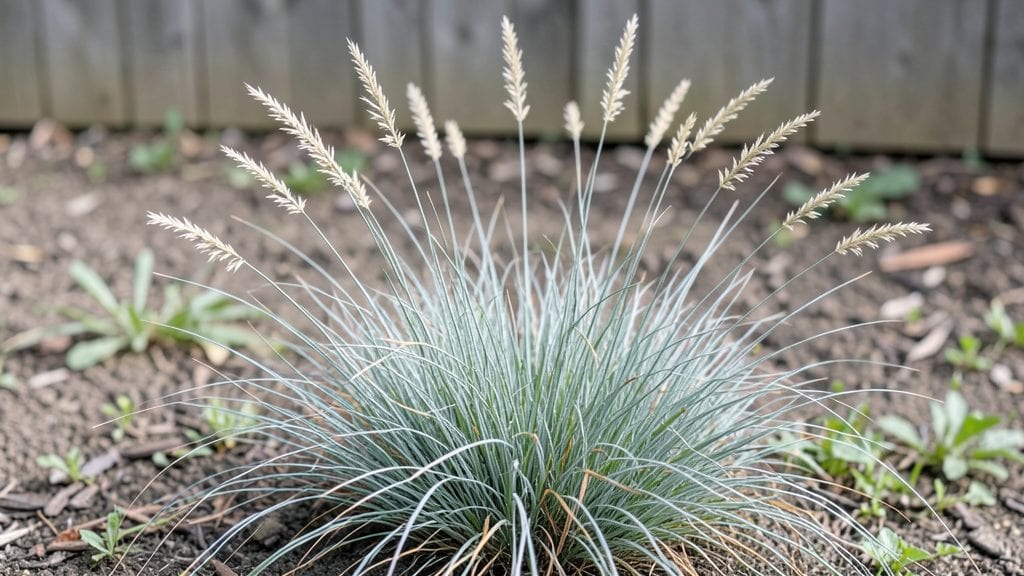
Mexican feather grass grows between 3 to 5 feet tall under ideal conditions, with some varieties reaching up to 6 feet when fully mature, though it typically spreads wider than it grows tall.
This ornamental grass thrives in warm climates and adapts beautifully to dry conditions, which is why many gardeners choose it for low-maintenance landscapes. 🌿 Its height can vary significantly based on sunlight—full sun exposure encourages taller growth, while partial shade may keep it more compact.
The real magic happens in its spread, which often reaches 3-4 feet wider than its height, creating lush, cascading textures perfect for borders or mass plantings.
For those designing landscapes, understanding this growth habit helps with placement—pair it with shorter perennials to highlight its airy plumes or use it as a windbreak where its drought-resistant nature shines. Just remember: pruning back in early spring keeps it looking tidy while encouraging fresh, vibrant growth for the season.
💡 In This Article
- Factors Influencing Mexican Feather Grass Height
- Best Uses for Mexican Feather Grass in Landscaping
Factors influencing Mexican feather grass height
Sunlight exposure is the primary driver of Mexican feather grass height, with full sun conditions (6+ hours daily) triggering its tallest growth potential. This grass thrives on direct sunlight because its photosynthesis process accelerates under intense light, producing more energy for vertical growth.
In partial shade (3-6 hours of sun), plants typically stay shorter—around 2-3 feet tall—while still maintaining their signature cascading habit. The key mechanism here is photomorphogenesis, where sunlight regulates plant hormones that control stem elongation.
Soil type plays a secondary but crucial role, particularly drainage quality. Mexican feather grass prefers well-draining, sandy or loamy soils where excess moisture doesn't cause root rot. In heavy clay soils, growth becomes stunted as roots suffocate, limiting height to 1.5-2.5 feet despite adequate sunlight.
The grass's native habitat in arid regions explains its preference for leaner soils—it's adapted to thrive where water retention would be detrimental. Amending clay with compost can improve drainage by 30-40%, restoring optimal growth conditions.
Watering frequency creates another critical variable, with drought tolerance being one of this grass's defining traits. Established plants need watering only when the top 2 inches of soil feel dry, typically every 2-3 weeks in hot climates.
Overwatering actually reduces height by promoting leggy, weak stems that flop rather than stand upright. The grass's deep root system (reaching 3-4 feet) allows it to access moisture efficiently, making it ideal for xeriscaping where water conservation is prioritized.
Climate zones further refine height expectations, with USDA zones 8-11 providing ideal conditions for maximum growth. In zone 8, mature plants typically reach 4-5 feet, while in cooler zone 7, they may only hit 2-3 feet due to shorter growing seasons.
Wind resistance also comes into play—this grass's upright, plume-like structure allows it to sway without breaking, even in 20+ mph winds, which helps maintain height in exposed locations where other grasses might bend or snap.
What most gardeners overlook is how temperature fluctuations affect growth timing. Mexican feather grass experiences its most rapid height increase during spring and early summer when daytime temperatures average 75-85°F. Nighttime temperatures below 50°F can temporarily stall growth, which is why northern gardeners often see more compact plants.
The grass's ability to enter dormancy during cold snaps (down to 15°F) and rebound quickly in warmer weather makes it uniquely adaptable across varying climates.
For those aiming to maximize height, combining full sun exposure with well-draining soil and minimal watering creates the perfect growth environment. The result? A 4-6 foot specimen that's both taller and more resilient than its under-watered or shade-grown counterparts.
This combination of factors explains why Mexican feather grass thrives as both a low-maintenance ornamental and a practical landscape solution. 🌟