
How To
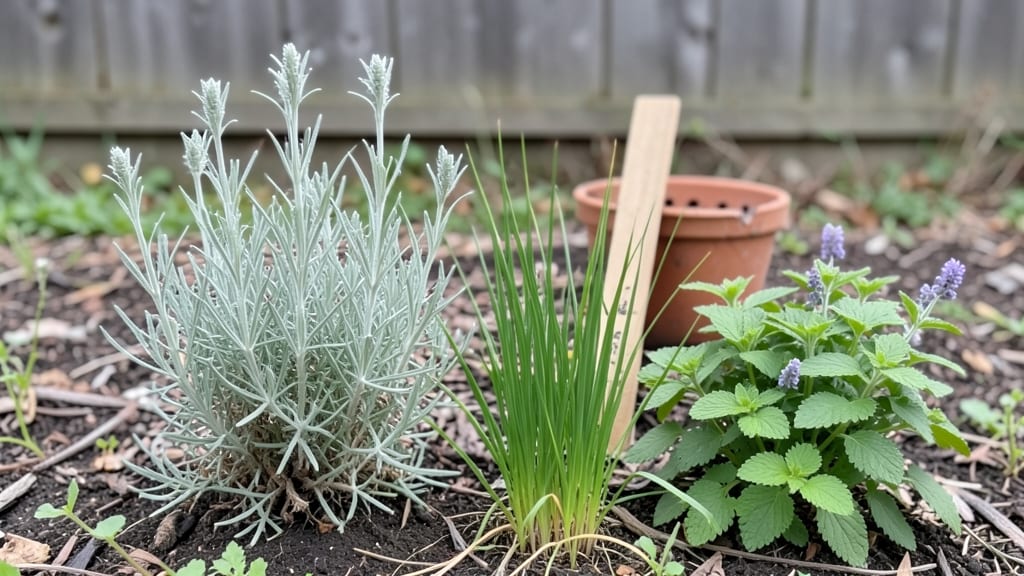
Cat grass typically grows between 4 to 12 inches tall, depending on the variety and growing conditions. Wheatgrass reaches 6–12 inches, while oatgrass and barley grass usually stay shorter at 4–8 inches. Regular trimming encourages bushier growth and prevents overgrowth.
Understanding your cat grass's height helps you tailor care to its needs—some varieties like wheatgrass can shoot up quickly in bright light, while barley grass stays compact for small spaces.
The growth rate also depends on your home's conditions: low humidity or poor drainage can stunt growth, while consistent moisture and indirect sunlight keep it thriving. 🌱 I've found that most pet owners prefer the balanced height of oatgrass, which stays manageable without frequent trimming.
For those growing cat grass indoors, container size matters—too much space leads to leggy stems, while tight quarters encourage bushier growth. If you notice your grass leaning or stretching, it's likely reaching for more light. A simple 10-minute trim every 2-3 weeks keeps it dense and appealing to curious paws.
💡 In This Article
- Cat Grass Growth Stages by Species
- Tips for Controlling Cat Grass Height
Cat grass growth stages by species
Here's what's actually happening beneath the soil: Each cat grass variety follows a distinct growth timeline shaped by its botanical origins. Wheatgrass (Triticum aestivum) starts with a 3-7 day germination period, then shoots up rapidly—reaching 2-3 inches in just 10 days—thanks to its deep root system designed for drought resistance.
The key factor is its C3 photosynthetic pathway, which thrives in cooler temperatures and converts sunlight into energy more efficiently than other varieties.
Oatgrass (Avena sativa) takes a more measured approach, with germination spanning 5-10 days and height milestones appearing every 7-10 days. Its final height stays modest at 4-8 inches because its growth hormone balance favors lateral spread over vertical reach.
The science behind this involves its tiller production—side shoots that create a dense mat rather than tall stems. You'll notice the blades remain softer and more flexible than wheatgrass, which makes them safer for curious kittens.
Barley grass (Hordeum vulgare) sits in the middle, with a 4-8 day germination window and reaching maturity in 3-4 weeks.
What most people don't realize is that barley grass's height is directly tied to its moisture retention—dry conditions can stunt it to just 3 inches, while consistent dampness pushes it to 8 inches. The trade-off?
Its higher fiber content (12-15%) makes it more digestible for cats, which is why it's often recommended for sensitive stomachs.
Sunlight plays a dramatic role in these differences. Wheatgrass can handle 4-6 hours of direct sun daily without scorching, while oatgrass prefers indirect light to prevent leaf burn. Barley grass falls somewhere in between, tolerating 3-5 hours of morning sun.
The reason? Wheatgrass evolved in open fields where it needed to compete for light, while oatgrass thrived in shaded meadows. This explains why wheatgrass often grows 25-30% taller in optimal conditions compared to its counterparts.
Consider these growth comparisons when choosing your variety:
- Fastest grower: Wheatgrass (1-2 inches per week in ideal conditions)
- Most compact: Barley grass (3-5 inches without aggressive trimming)
- Best for small spaces: Oatgrass (stays under 6 inches with minimal care)
The growth cycle also reveals why most pet owners trim their cat grass every 2-3 weeks—it's not just about aesthetics. Regular pruning stimulates lateral growth by redirecting energy from vertical stems to bushier foliage.
Without trimming, wheatgrass can reach up to 18 inches in perfect conditions, but this makes it less appealing to cats and more prone to mold at the base. 🌱