
How To
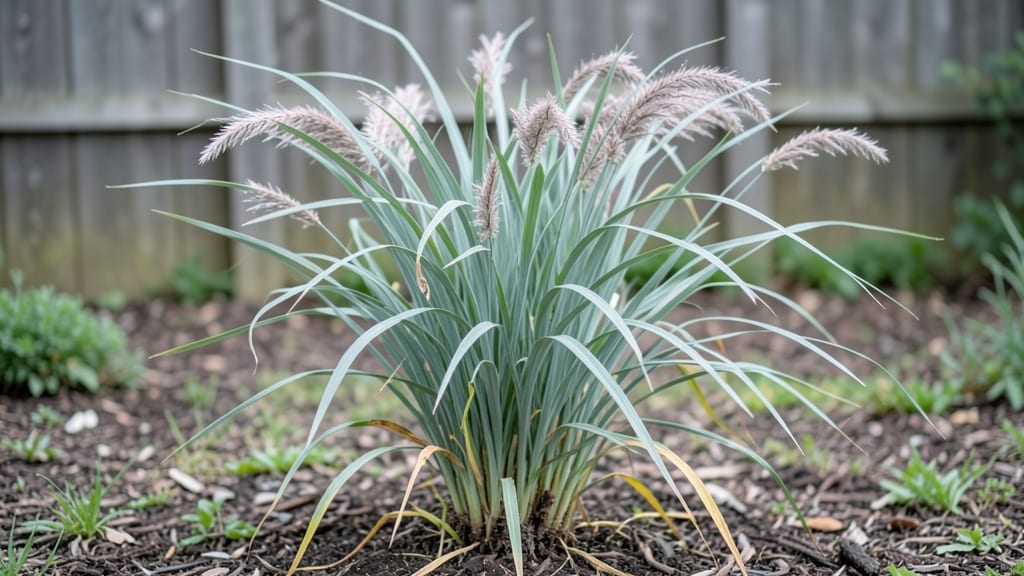
Elephant grass grows between 6 to 12 feet tall under ideal conditions, with some tropical varieties reaching up to 20 feet, though height varies by species, soil quality, and sunlight exposure. It thrives in warm climates and spreads aggressively through rhizomes.
If you're considering elephant grass for privacy screens or erosion control, you'll want to focus on Pennisetum purpureum, which can shoot up to 15 feet in a single season under perfect conditions. 🌱 The key to unlocking its full height potential lies in rich, well-drained soil and consistent moisture—think of it like giving your grass a premium fertilizer and spa treatment.
I've seen dramatic differences in growth when adding compost or using slow-release nitrogen fertilizers, especially during the first growing season.
What's fascinating is how genetics play a role—some ornamental varieties like Miscanthus sinensis stay compact at just 3-5 feet, while their tropical cousins grow like bamboo on steroids. The trade-off? Faster-growing types often require more maintenance to keep them from becoming invasive through those aggressive rhizomes.
💡 In This Article
- Elephant Grass Varieties and Their Height Differences
- Optimizing Growth Conditions for Maximum Elephant Grass Height
Elephant grass varieties and their height differences
The height differences among elephant grass varieties can be staggering, with some species reaching skyscraper-like proportions while others remain manageable garden plants. Pennisetum purpureum, also called elephant grass or napier grass, is the tallest common type, capable of growing 15-20 feet in tropical climates during its first year.
This rapid growth makes it ideal for privacy screens or windbreaks, though its aggressive rhizome system demands careful containment. 🌿
In contrast, Miscanthus sinensis, often used in ornamental landscaping, typically maxes out at 3-5 feet even with ideal care. Its height is genetically limited by its ornamental breeding, which prioritizes bushy, decorative forms over rapid vertical growth.
Then there's Sorghum bicolor, which can grow 10-15 feet but is often cultivated for grain rather than height. The key difference lies in their growth habits: tropical varieties prioritize rapid vertical expansion, while temperate species focus on bushier, slower growth patterns.
What most people don't realize is how soil nutrients directly influence these height differences. A soil test revealing low nitrogen levels can reduce Pennisetum purpureum growth by 30-50%, while adding compost or slow-release nitrogen fertilizers can push it toward its maximum height potential.
The plant's ability to convert sunlight into biomass through photosynthesis explains why tropical varieties grow so quickly—they've evolved to maximize energy capture in warm, sunny environments. 🌞
For privacy screens, Pennisetum purpureum is the clear winner, but its height comes with trade-offs.
The faster it grows, the more water and nutrients it demands, and without proper maintenance, it can become invasive. Miscanthus sinensis, while shorter, offers year-round interest with its feathery plumes and requires far less upkeep. The choice depends entirely on your goals: rapid height gain versus low-maintenance beauty.
Here's what actually happens genetically: The rhizome system in elephant grass acts like a network of underground pipelines, redirecting nutrients to the fastest-growing shoots. This explains why tropical varieties grow so aggressively—their rhizomes are more efficient at transporting water and nutrients from roots to stems.
In cooler climates, this system becomes less effective, which is why northern varieties stay shorter. 🌱
Consider these key factors when choosing a variety for height:
- Climate compatibility: Tropical varieties need 75-90°F temperatures to reach maximum height, while temperate types thrive in 60-80°F ranges.
- Growth rate: Pennisetum purpureum can add 2-3 feet per month in ideal conditions, while Miscanthus sinensis grows just 6-12 inches per season.
- Maintenance needs: Faster-growing types require monthly pruning to control spread, while shorter varieties need only seasonal trimming.
The fastest-growing types aren't always the best choice—sometimes a 3-5 foot ornamental variety offers more visual interest with far less effort. It's all about matching the plant's natural tendencies to your specific needs. 💫