
Size
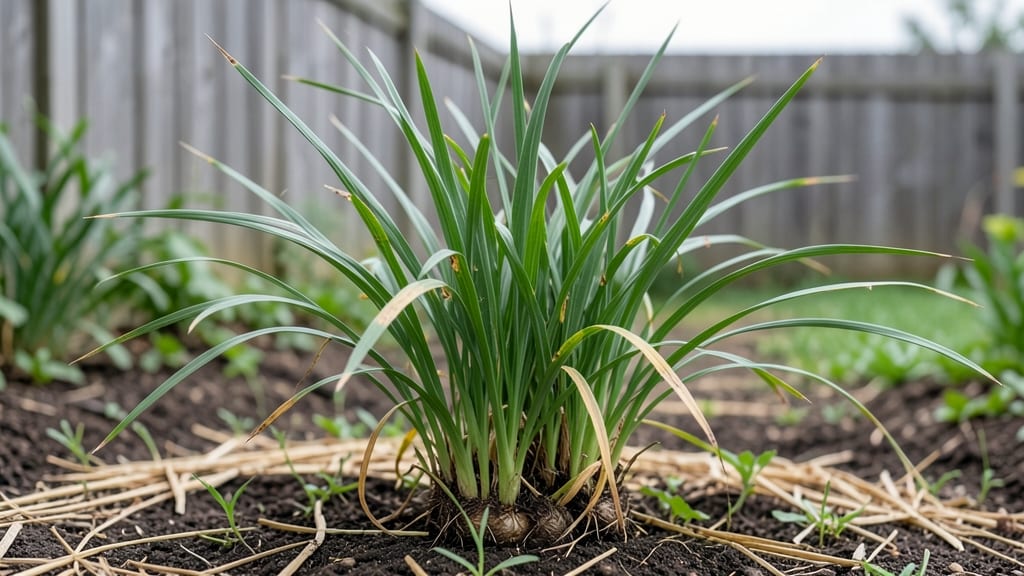
This speedy growth happens because lemongrass thrives in warm climates where temperatures stay above 60°F—think tropical regions or heated greenhouses. 🌱 I’ve seen it shoot up like bamboo in my own backyard, especially when planted in well-draining soil with consistent moisture but no waterlogging.
The key is patience with the roots: while the stalks grow fast, the essential oils that give lemongrass its signature aroma develop more slowly, which is why waiting until 4-6 months ensures the best flavor and fragrance.
💡 In This Article
- Lemongrass Growth Rate Factors Explained
- Optimal Lemongrass Planting and Care Tips
Lemongrass growth rate factors explained
Here's what's actually happening when lemongrass grows at lightning speed: its rapid vertical growth is driven by a specialized stem called a culm, which elongates through a process called primary thickening. Unlike many plants that spread horizontally, lemongrass directs its energy upward, forming those iconic hollow stalks.
The growth hormone gibberellin plays a starring role here—it's what triggers the dramatic height increase, especially when temperatures stay consistently above 70°F. 🔥 In tropical climates, this hormone works overtime, accelerating growth to 1-2 inches per week during peak seasons.
The science gets even more interesting when we look at root development. While the stalks shoot up quickly, the fibrous root system takes 4-6 weeks to establish properly, which is why early-stage plants can topple easily.
This root-stalk growth imbalance explains why many gardeners see their lemongrass lean or fall over before reaching maturity. The plant's native habitat in Southeast Asia's wet, humid conditions means it's evolved to prioritize rapid above-ground growth over deep root penetration—a survival strategy in areas where flooding can occur.
Sunlight exposure creates dramatic differences in growth rates. In tropical regions with 6-8 hours of direct sunlight daily, lemongrass can reach harvestable size in just 3-4 months.
But move it to temperate zones with 4-5 hours of sun, and you'll see growth slow to a crawl—sometimes taking 6-8 months to mature. This is why container growing works better in cooler climates: you can move pots to follow the sun's path throughout the day, mimicking tropical conditions.
The plant's leaves also play a crucial role—they contain volatile oils that protect against pests, but these same oils slow down photosynthesis when temperatures exceed 90°F, creating a growth plateau.
Water needs create another critical factor. Lemongrass loves moisture but hates soggy soil—a balance that's tricky to achieve in many gardens. The ideal moisture level keeps the soil 60-70% saturated, similar to a well-wrung sponge.
In tropical climates, this comes naturally from frequent rainfall, while temperate gardeners often need to water 2-3 times per week during dry spells. Overwatering triggers root rot, while underwatering causes the stalks to become woody and less flavorful.
This moisture sensitivity explains why lemongrass grows so well in rice paddies—its natural habitat—where water levels are carefully managed.
Nutrient availability creates the final piece of the growth puzzle. Lemongrass thrives in soil with a pH between 5.5 and 7.0, preferring slightly acidic conditions that enhance nutrient uptake. The plant is particularly hungry for potassium and magnesium, which it uses to produce those signature citrusy compounds.
In tropical soils, these nutrients are often abundant, but in temperate regions, gardeners typically need to amend soil with compost or banana peels (a potassium-rich source) to maintain growth speed.
What's fascinating is how the plant's growth rate directly correlates with its oil content—faster growth in ideal conditions actually results in more concentrated essential oils by harvest time.
Here's a comparison that puts it all in perspective: In Thailand's tropical climate, lemongrass might grow 2 feet in just 4 weeks with proper care, while in California's Mediterranean climate, the same plant might take 8 weeks to reach half that height.
The difference comes down to those four key factors working in harmony—or against each other. Understanding this helps explain why some gardeners get frustrated with slow growth: they might be missing one critical element, like proper sunlight or soil pH. 💫