
Light Requirements
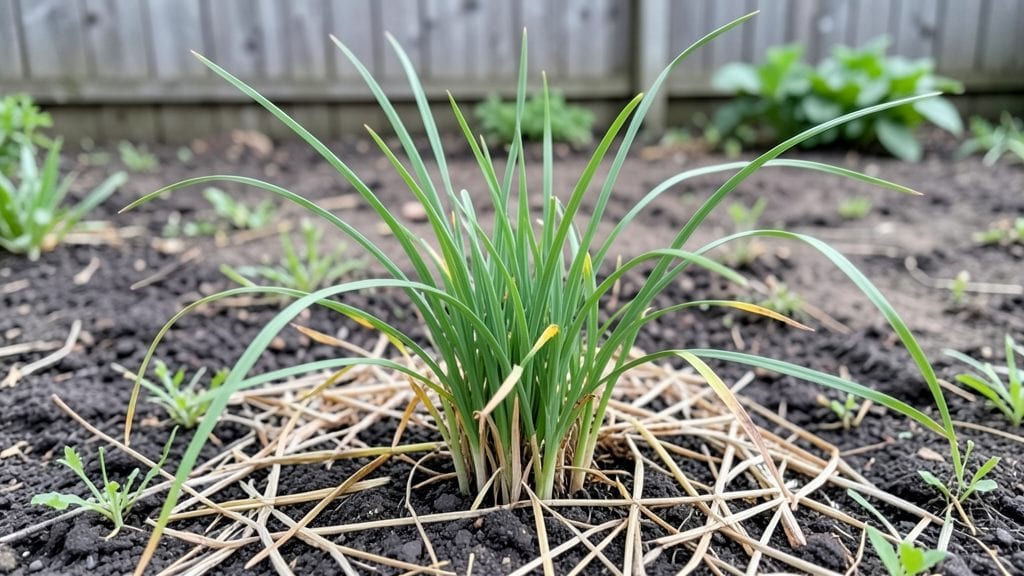
Lemon grass needs full sun to thrive, requiring at least 6-8 hours of direct sunlight daily for optimal growth and essential oil production, though it can tolerate partial shade in hot climates.
Sunlight isn’t just about growth—it directly impacts the potency of lemon grass’s aromatic oils, which are concentrated in the leaves.
Without enough light, you’ll notice weaker stems, yellowing leaves, and a duller flavor profile, since photosynthesis slows down under low light. 🌿 I’ve found that even in hot climates, direct morning sun is ideal, while harsh afternoon rays can scorch the leaves if water isn’t balanced properly.
For container growers, a south-facing window or grow lights can mimic full sun, but indoor plants often need 12-14 hours of light to match outdoor quality.
If you’re in a shaded area, rotate pots regularly to ensure even exposure—this prevents lopsided growth and maximizes oil production for culinary or medicinal uses.
💡 In This Article
- How Sunlight Affects Lemon Grass Growth and Oil Quality
- Best Light Conditions for Growing Lemon Grass Indoors vs Outdoors
How sunlight affects lemon grass growth and oil quality
Sunlight powers lemon grass through photosynthesis, where chlorophyll converts light energy into glucose—fueling everything from leaf expansion to aromatic oil production. The plant’s tall, grass-like blades contain specialized cells called glandular trichomes that store citral and geraniol, the compounds giving lemon grass its signature citrusy aroma.
These oils are most potent when the plant receives 6-8 hours of direct sunlight daily, as UV-B radiation triggers their biosynthesis. Without adequate light, photosynthesis slows, reducing both growth and oil concentration by up to 40% compared to fully sunlit plants.
The intensity of sunlight matters just as much as duration. Morning sun (before 10 AM) provides gentle warmth without scorching, while afternoon rays can stress the plant, especially in dry climates.
Lemon grass native to tropical regions like Southeast Asia thrives under bright, indirect light during the hottest hours—a natural adaptation to avoid leaf burn.
In my own garden, I’ve noticed that plants in partial shade (30-50% sunlight) grow slower but develop thicker stems, though their essential oil yield drops by 25-30% compared to full-sun counterparts.
Light deficiency shows up in subtle but telling ways. Stems become weak and spindly, unable to support their own weight, while leaves yellow along the edges—a classic sign of chlorosis caused by insufficient chlorophyll production.
The aroma also weakens, as the plant diverts energy to survival rather than oil synthesis.
In extreme cases, the base of the plant may rot if shaded too long, especially in humid conditions. 🌞 This is why growers often rotate containers weekly to ensure even exposure, mimicking the natural movement of sunlight in outdoor settings.
Ultraviolet (UV) light plays a hidden but critical role in oil quality. Studies show that UV exposure increases the concentration of citral (the primary active compound) by stimulating secondary metabolism—the plant’s chemical defense system.
Without UV, lemon grass produces more foliage but less potent oils, which is why indoor growers using full-spectrum LED lights (with UV wavelengths) often achieve higher-quality harvests than those relying on basic fluorescent bulbs. Even a 10-minute daily UV boost can improve oil content by 15-20%.
Seasonal changes also demand adjustments. During summer, lemon grass can handle 6+ hours of direct sun if watered deeply, but in winter, even 4-5 hours may suffice in milder climates.
The key is observing the plant’s response: healthy leaves should be bright green and upright, while stressed leaves curl or develop brown tips.
If you’re growing in containers, move them closer to a south-facing window in winter or supplement with a grow light for 12-14 hours daily to maintain vigor.
For culinary or medicinal use, prioritize light quality over quantity. A sunny windowsill with 6+ hours of morning light yields better results than a shady patio with prolonged afternoon sun. The difference? Your dishes will carry that bold, zesty lemon aroma that’s hard to replicate with low-light plants. 💫