
Lawn
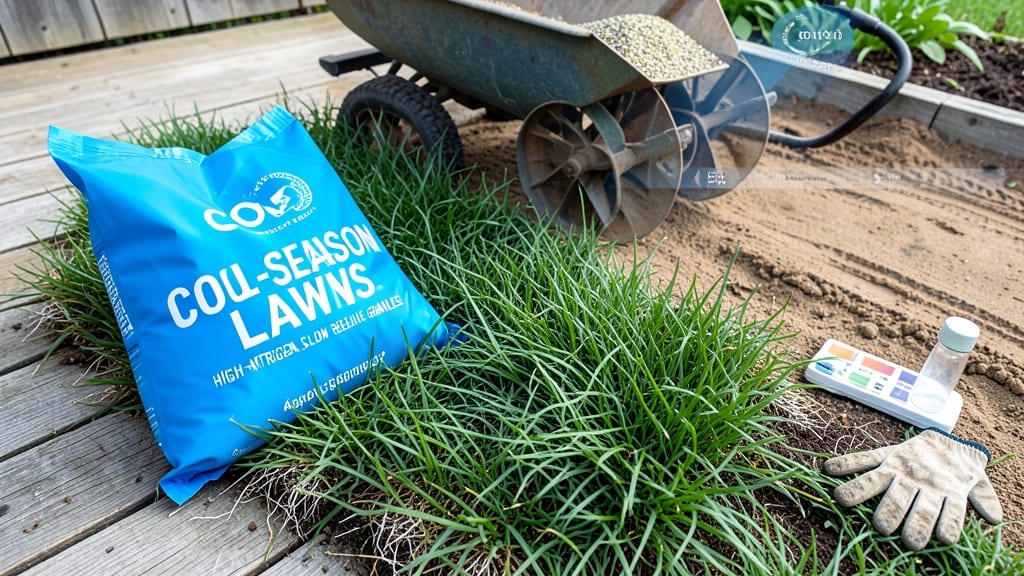
Fertilizing your Colorado lawn at the right time ensures vibrant growth and avoids wasting nutrients or damaging grass.
Colorado’s dramatic elevation shifts and microclimates make fertilizing your lawn a high-stakes game—apply too early or late, and you risk burning grass or wasting nutrients. Timing isn’t just about seasons; it’s about altitude, soil type, and even your front range vs. western slope location.
Cool-season grasses like Kentucky bluegrass and fescue thrive with a spring feeding in early April when soil temperatures hit 50°F, while warm-season grasses like Bermuda need a boost in late May after the last frost.
High-altitude areas like Denver may need adjustments, while lower elevations like Grand Junction follow a slightly delayed schedule.
Below, I break down the exact months to fertilize, how to read your lawn’s signals, and the one mistake that turns green grass yellow overnight. Let’s get your 🌱 looking its best without the guesswork.

Colorado’s 3 fertilization zones: Front Range vs. Western Slope vs. high Plains timing
Colorado’s diverse geography creates three distinct fertilization zones, each with unique soil temperature triggers and elevation adjustments that dictate when to feed your lawn. The Front Range (Denver, Fort Collins) thrives on early spring feeding, while the Western Slope (Grand Junction, Durango) can start later due to warmer microclimates.
Meanwhile, the High Plains (Pueblo, Lamar) face shorter growing seasons, requiring precise timing to avoid winter burn.
Understanding your zone isn’t just about altitude—it’s about last frost dates, soil warming rates, and even grass type dominance. Cool-season grasses like Kentucky bluegrass dominate the Front Range, while the Western Slope often features drought-tolerant buffalo grass.
Each requires different fertilization windows to prevent stress during Colorado’s unpredictable weather swings.
Here’s how to match your location to the perfect fertilization schedule, including soil temperature benchmarks and elevation-specific adjustments:
| Zone & Location | Key Soil Temp Trigger (°F) | Best Fertilization Window | Elevation Adjustments | Grass Type Focus |
|---|---|---|---|---|
| Front Range (Denver, Fort Collins, Colorado Springs) | 50-55°F (soil) | Early April - Mid-May / Late August | Higher elevations (5,000-8,000 ft): delay by 1-2 weeks | Cool-season (Kentucky bluegrass, fescue) |
| Western Slope (Grand Junction, Durango, Telluride) | 55-60°F (soil) | Mid-April - Early June / Early September | Lower elevations (4,000-7,000 ft): start 10-14 days earlier | Warm-season (Bermuda, buffalo grass) + cool mixes |
| High Plains (Pueblo, Lamar, Sterling) | 45-50°F (soil) | Late March - Early May / Mid-September | Extreme elevation (3,500-6,500 ft): watch for early frosts | Cool-season (wheatgrass, ryegrass) + drought-resistant blends |
For the Front Range, aim to fertilize when soil reaches 50-55°F—typically early April—to coincide with your grass waking from dormancy. Use a high-nitrogen blend (25-0-5) for that first feeding, then switch to a balanced formula (10-10-10) in late summer to prepare for winter.
The key is avoiding fertilization when nighttime temps drop below 40°F, which can shock roots.
On the Western Slope, warmer microclimates mean you can start fertilizing 2 weeks earlier than the Front Range, but watch for sudden temperature drops after applying.
Here, pre-emergent herbicides should go down in late March (when soil hits 55°F), while post-emergent feeds align with active growth phases—usually May and September. The arid climate means watering deeply after fertilization is critical to prevent burn.
The High Plains present unique challenges due to shorter growing seasons and higher wind exposure. Fertilize earlier in March (when soil hits 45°F) to give grasses a head start before summer drought sets in.
A slow-release fertilizer is ideal here, as rapid nutrient uptake can lead to winterkill when frosts arrive early. Always apply before noon to allow grass to dry and reduce fungal risks from evening moisture.
Regardless of zone, soil testing is your best friend—Colorado’s alkaline soils (especially in the Western Slope) often need gypsum or sulfur adjustments before fertilization. For the Front Range, aim for a pH of 6.0-7.0, while Western Slope lawns may tolerate slightly higher pH (7.0-7.5) due to natural mineral content.
Test in early spring before your first feeding to avoid wasting nutrients on unbalanced soil.
Pro tip: Use a soil thermometer (available at garden centers for ~$15) to track when your lawn’s root zone hits the ideal temperature. For high-altitude areas, add 1-2 weeks to standard schedules—grass at 8,000 feet grows 30% slower than at sea level.
Adjust your watering too: High Plains lawns need 20% more water post-fertilization than Front Range yards due to increased evaporation.
Remember, fall fertilization is non-negotiable in Colorado—aim for late August to early September across all zones to build root density before winter. This single step can mean the difference between a brown, patchy lawn and a vibrant green carpet next spring.
For the Western Slope, extend this window to mid-September to take advantage of longer growing seasons.
🌱
Step-by-step fertilization calendar: month-by-month for Colorado lawns
Fertilizing your Colorado lawn at the wrong time can leave you with brown patches or wasted nutrients. The key is aligning your schedule with soil temperatures, grass type, and local microclimates.
Most Colorado lawns thrive with cool-season grasses (like Kentucky bluegrass or fescue), so timing matters more than you might think. Here’s how to nail it month by month.
Before diving into the calendar, remember: water deeply 24 hours before and after fertilizing to help nutrients absorb. Also, adjust your mower height to 3–4 inches during fertilization to reduce stress on the grass.
This guide assumes you’re using a balanced fertilizer (like 16-4-8 or 10-10-10) for cool-season grasses, the most common in Colorado.
For high-altitude lawns (above 7,000 ft), like those in Fort Collins or Steamboat Springs, delay spring fertilization by 2–3 weeks to account for cooler soil temps. Conversely, Western Slope lawns (e.g., Grand Junction) can start earlier due to warmer microclimates.
Always check for local frost dates—your last frost in Denver might be April 15, but in Colorado Springs, it could be April 10.
Pro tip: If your lawn shows yellow patches or slow recovery after mowing, it’s a sign to fertilize earlier than the calendar suggests. Just ensure you’ve ruled out disease or pests first. Pair fertilization with overseeding in early fall (August–September) to thicken your lawn naturally.
Remember, watering is half the battle. After fertilizing, water deeply for 15–20 minutes to activate nutrients. Avoid fertilizing if rain is forecasted within 48 hours—you’ll just wash away your hard work. With this schedule, your Colorado lawn will stay lush, green, and resilient year-round. 🌱