
How To
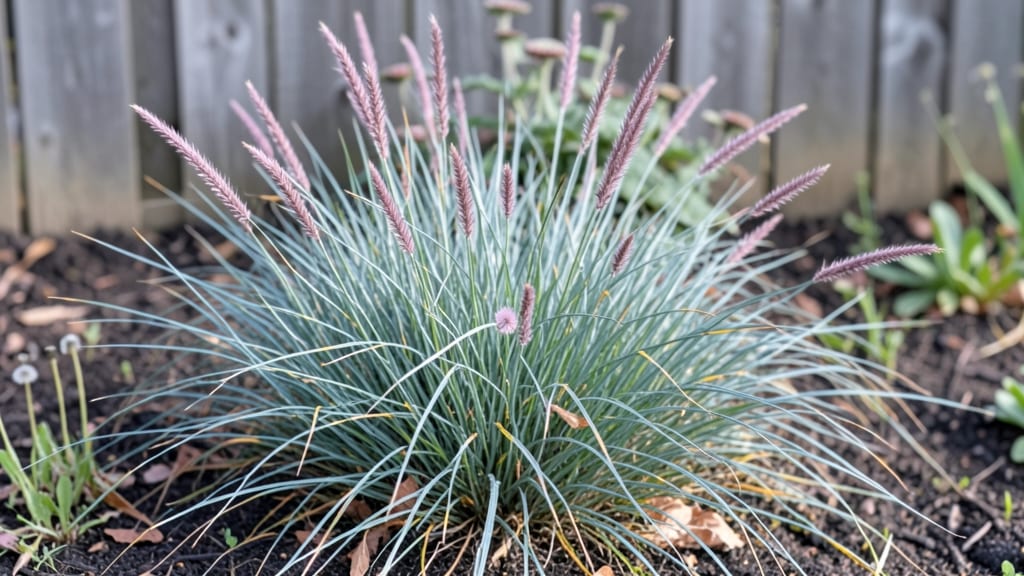
Pink muhly grass typically grows 12 to 36 inches tall, with mature clumps reaching heights of 2 to 3 feet, though some varieties like Muhlenbergia capillaris ‘Pink Flamingo’ may exceed 4 feet. Its airy, feathery plumes add height and texture to gardens while spreading slowly via underground rhizomes.
Pink muhly grass thrives in warm climates, where its height can vary based on sunlight exposure and soil conditions. 🌿 In full sun, it often reaches its maximum height of 3-4 feet, especially in well-draining soil, while partial shade may limit growth to the lower end of the range.
The feathery plumes don’t just add height—they create stunning vertical interest that blooms in late summer or fall, making it a standout ornamental grass for borders or mixed containers.
What’s fascinating is how its spreading habit works: those underground rhizomes allow it to slowly expand, creating lush, natural-looking clumps over time. This makes it perfect for ground cover or as a focal point in dry landscapes, where it pairs beautifully with succulents or ornamental grasses.
Just be mindful of its slow but steady spread—it’s not invasive, but it will fill in a space gracefully over a few seasons.
💡 In This Article
- Pink Muhly Grass Growth Factors: Height and Spread Control
- Best Planting and Maintenance Tips for Pink Muhly Grass
Pink muhly grass growth factors: height and spread control
Here's what's actually happening beneath the surface with pink muhly grass height: its growth is primarily driven by genetic programming combined with environmental triggers.
The species Muhlenbergia capillaris has a natural growth cycle where vertical development accelerates during its second year, when the plant shifts energy from root establishment to plume production.
This explains why you'll often see dramatic height differences between first-year plants (12-18 inches) and mature specimens (3-4 feet). The feathery plumes themselves don't contribute to structural height—they're sterile flower stalks that emerge from the central growth point, adding visual volume rather than physical mass.
The rhizome system plays a crucial role in both height and spread control. These horizontal underground stems grow at a rate of approximately 6-12 inches per year, creating new growth points that can produce additional stems.
What most people don't realize is that the rhizomes also act as water and nutrient conduits, allowing the plant to redirect resources to the tallest stems when conditions are optimal. In well-draining soils with adequate sunlight, this results in the dramatic 3-4 foot specimens you see in showcase gardens.
The key factor here is soil moisture—excessive water triggers rhizome dormancy, limiting both vertical and horizontal growth.
Seasonal growth patterns create another fascinating dimension to height variations. Pink muhly grass exhibits biennial flowering, meaning it typically produces its signature pink plumes in its second fall rather than spring.
This delayed bloom explains why you'll see dramatic height spikes in late summer/early fall when the plant diverts energy to reproductive growth.
The dwarf varieties like 'Pink Flamingo' have been selectively bred to maintain shorter stature (2-3 feet) by limiting rhizome length and reducing the number of vertical growth points. Their genetic makeup includes a growth-inhibiting hormone profile that keeps stems more compact while still producing abundant plumes.
Light exposure creates dramatic height differences through a process called photomorphogenesis. In full sun conditions, the plant produces 30-50% more auxin (a growth hormone) which elongates cell walls in the stems, resulting in taller growth.
When grown in partial shade, auxin production drops by nearly half, leading to the 12-24 inch range seen in less optimal light conditions. This explains why you'll often see pink muhly grass growing taller at the edges of sunny borders where it receives maximum light exposure.
The plant's natural habitat in dry, sunny prairie environments has programmed this light-seeking growth pattern.
Consider these key factors when selecting varieties for your space:
- Sunlight needs: Full sun (6+ hours) for maximum height (3-4 feet); partial shade limits growth to 12-24 inches
- Soil moisture: Well-draining soil with occasional watering promotes taller growth; soggy conditions trigger rhizome dormancy
- Genetic variety: Standard types grow 2-3 feet; dwarf varieties like 'Pink Flamingo' stay under 2 feet while producing abundant plumes
- Seasonal timing: Height increases dramatically in second-year fall when flowering occurs
The rhizome spread creates an interesting trade-off: while they allow the plant to slowly expand its territory, they also create competition between stems for resources. In crowded conditions, you'll often see the outer stems growing taller while the center remains more compact.
This natural pruning effect explains why mature clumps often develop a layered, textured appearance with varying heights within the same plant. The spread rate of 6-12 inches per year makes it ideal for ground cover projects where you want gradual, natural expansion rather than rapid takeover.
What most gardeners discover is that the most dramatic height variations occur between the first and second growing seasons. That initial 12-18 inch plant you bring home can transform into a 3-4 foot specimen by its second fall—this is when the real magic happens with those cascading pink plumes.
Understanding these growth factors lets you strategically place pink muhly grass to create vertical interest while controlling its spread through proper spacing and soil management. 🌟