
How To
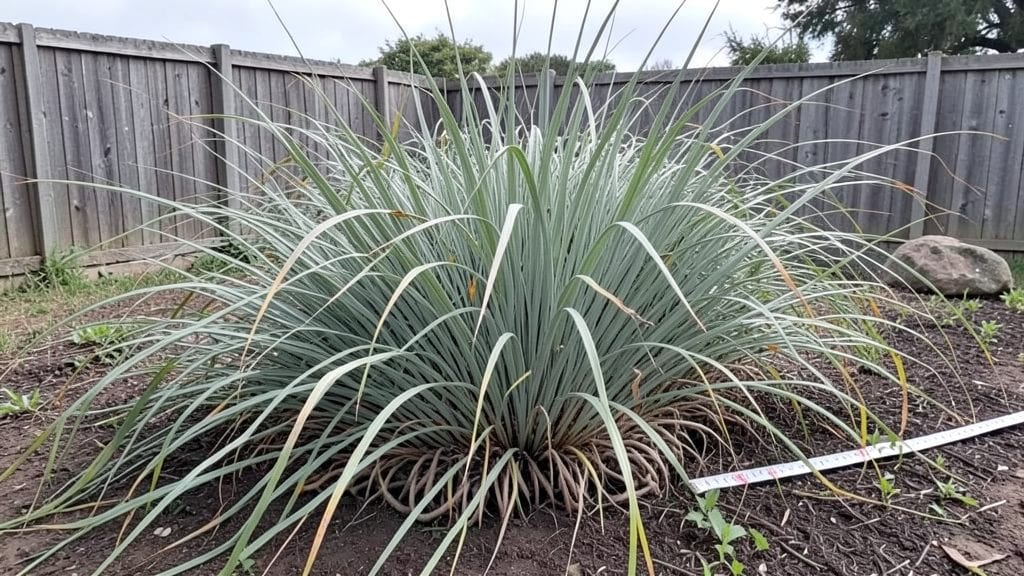
Wild grass can grow up to 20 feet tall in ideal conditions, with species like bamboo reaching record heights of 30–40 feet annually. Fast-growing varieties like elephant grass or miscanthus dominate landscapes with rapid vertical expansion.
Understanding why some wild grasses tower over others comes down to their biology. 🌱 Species like bamboo rely on extensive rhizome networks that spread aggressively underground, while miscanthus and elephant grass thrive thanks to their C4 photosynthesis system, which efficiently converts sunlight into rapid vertical growth.
These grasses can double in height within a single growing season, especially in warm climates with abundant moisture.
What’s fascinating is how quickly these giants can reshape landscapes—some elephant grass varieties add 3-4 feet per year, while bamboo can shoot up 12 inches in just 24 hours during peak growth.
This explosive growth isn’t just about size; it’s a survival strategy that lets them outcompete slower-growing plants for sunlight and resources.
💡 In This Article
- Fastest-Growing Wild Grass Species and Their Growth Mechanics
- Tips for Managing Tall Wild Grass in Gardens and Landscapes
Fastest-growing wild grass species and their growth mechanics
The biological secret behind towering wild grasses lies in their underground networks and photosynthetic efficiency. Species like bamboo utilize rhizome systems that can spread 3-5 feet per year, creating dense root matrices that fuel rapid vertical growth.
Meanwhile, grasses like miscanthus and elephant grass employ C4 photosynthesis, which captures carbon dioxide more efficiently than standard C3 plants, allowing them to convert sunlight into biomass at astonishing rates—up to 10 times faster than many trees.
Here's where it gets truly impressive: bamboo can grow 12 inches in a single day during optimal conditions, thanks to its hollow, segmented stems that act like natural water conduits, delivering nutrients directly to growing tips. Elephant grass, on the other hand, develops thick, fibrous stems that store water, enabling it to reach 12-18 feet in just one growing season.
The key difference? Bamboo's growth is continuous, while elephant grass focuses on stem thickening before vertical expansion.
Water absorption plays a critical role too. These grasses develop extensive root systems that can penetrate 6-10 feet deep, accessing groundwater that shallower-rooted plants can't reach. Miscanthus, for example, has roots that spread laterally up to 15 feet from the base, creating a vast water-gathering network.
This explains why they thrive in wet climates—some varieties can absorb 200% of their dry weight in water during peak growth, fueling their rapid ascent.
What most people don't realize is how these grasses outcompete other plants. Their C4 photosynthesis gives them a 30-50% advantage in hot, sunny conditions by minimizing water loss through specialized leaf structures.
This is why you'll often see them dominating disturbed areas—they grow so quickly that slower plants can't establish themselves. The trade-off? Their aggressive growth makes them excellent for erosion control but challenging to manage in cultivated areas.
Let's compare the growth rates of these giants: bamboo can reach 30-40 feet in 3-5 years, while elephant grass typically hits 12-18 feet in one season. Miscanthus grows more slowly but can still reach 10-14 feet annually.
The difference comes down to their growth strategies—bamboo prioritizes height, elephant grass focuses on volume, and miscanthus balances both with seasonal die-back.
One fascinating adaptation is how these grasses handle their own weight. Their lignin-rich stems (a woody polymer) provide structural support, allowing them to grow without toppling.
For comparison, a 15-foot bamboo stalk might weigh 200-300 pounds but remains rigid due to its hollow, segmented design—similar to how skyscrapers use steel frameworks to support massive loads.
The takeaway? These grasses don't just grow fast—they've evolved sophisticated systems to maximize every resource available. Whether it's bamboo's explosive vertical growth, elephant grass's water-storing stems, or miscanthus's efficient photosynthesis, each species has developed unique adaptations to dominate their environment. 🌿