
Lawn
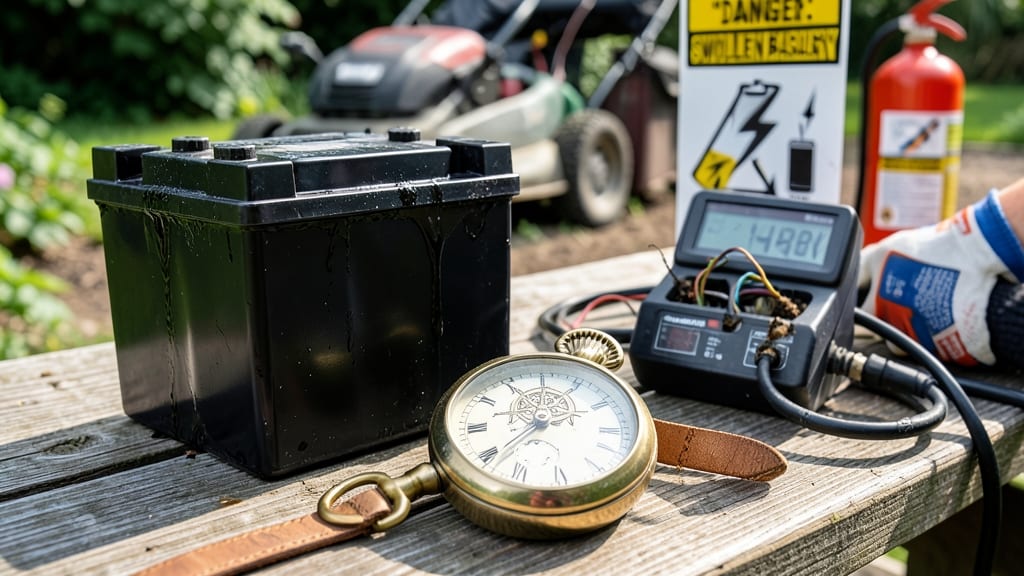
Yes, you can overcharge a lawn mower battery, and it will permanently damage the battery by causing excessive heat buildup, electrolyte loss, or even explosion in sealed lead-acid types. Always follow manufacturer guidelines for voltage limits and charging duration to maintain battery health and safety.
Overcharging pushes a battery beyond its safe operating limits, triggering chemical reactions that degrade performance over time. 🔥 For lead-acid batteries—the most common type in lawn mowers—this means accelerated corrosion of internal plates and loss of electrolyte fluid, which reduces capacity and shortens lifespan.
Lithium-ion batteries, while less common in lawn equipment, can also suffer from overheating and permanent capacity loss if charged improperly. I’ve seen firsthand how a single overcharge cycle can turn a $100 battery into a $20 "paperweight" within months.
To avoid this, always use a charger designed for your battery type and monitor charging cycles closely. Most smart chargers automatically stop when fully charged, but even these require periodic maintenance checks.
For lead-acid batteries, maintaining proper electrolyte levels and ensuring good ventilation during charging can make a huge difference in longevity.
💡 In This Article
- How Overcharging Damages Lawn Mower Batteries
- Safe Charging Practices for Lawn Mower Batteries
How overcharging damages lawn mower batteries
When you overcharge a lawn mower battery, you're essentially forcing it to work beyond its electrochemical limits. For lead-acid batteries—the most common type in lawn equipment—excessive voltage triggers a process called gassing, where hydrogen and oxygen gases form rapidly inside the battery.
This isn't just noisy (you'll hear bubbling or hissing); it's also dangerous because these gases can ignite if exposed to sparks or open flames. 🔥 The heat generated during gassing accelerates the breakdown of the battery's internal components, including the lead plates that store energy.
Chemically, overcharging causes sulfation, where lead sulfate crystals form on the battery plates instead of dissolving back into the electrolyte solution. These crystals act like insulation, preventing the battery from accepting or delivering a full charge. Over time, this reduces the battery's capacity by up to 50% or more.
In sealed lead-acid batteries (like those in many modern lawn mowers), this process is even more damaging because the excess gases can't escape, leading to internal pressure buildup that may cause swelling or even rupture.
Lithium-ion batteries, while less common in lawn equipment, suffer from a different but equally destructive process: thermal runaway, where overheating triggers a chain reaction that can permanently damage the battery's internal structure.
The physical risks extend beyond reduced performance. Overcharging leads to corrosion of the battery's internal connections and terminals, which can create high-resistance pathways that further drain power and generate heat. I've seen batteries where the terminals became so corroded that they barely conducted electricity at all, forcing a complete replacement.
The electrolyte fluid in lead-acid batteries also evaporates faster under overcharge conditions, meaning you'll need to top up distilled water more frequently—or risk exposing the plates and ruining the battery entirely. 💫
One critical factor often overlooked is the temperature impact. Overcharging can cause the battery to reach temperatures above 120°F, which not only accelerates chemical degradation but also warps plastic components and weakens seals. This is why many modern chargers include temperature sensors to shut off automatically.
The damage isn't always immediate—sometimes it takes weeks or months for the effects to become noticeable, by which point the battery may be beyond repair.
Here's what happens under the hood during overcharging:
- Lead-acid batteries: Excessive gassing, sulfation, electrolyte loss, and internal corrosion
- Lithium-ion batteries: Thermal runaway, permanent capacity loss, and potential swelling
- Both types: Reduced lifespan, increased maintenance needs, and safety hazards
The key takeaway is that overcharging isn't just about running the charger too long—it's about pushing the battery's chemistry to its absolute limits. Even a single overcharge cycle can set the stage for months of diminished performance, making proper charging practices absolutely essential for longevity. ✨