
Pruning
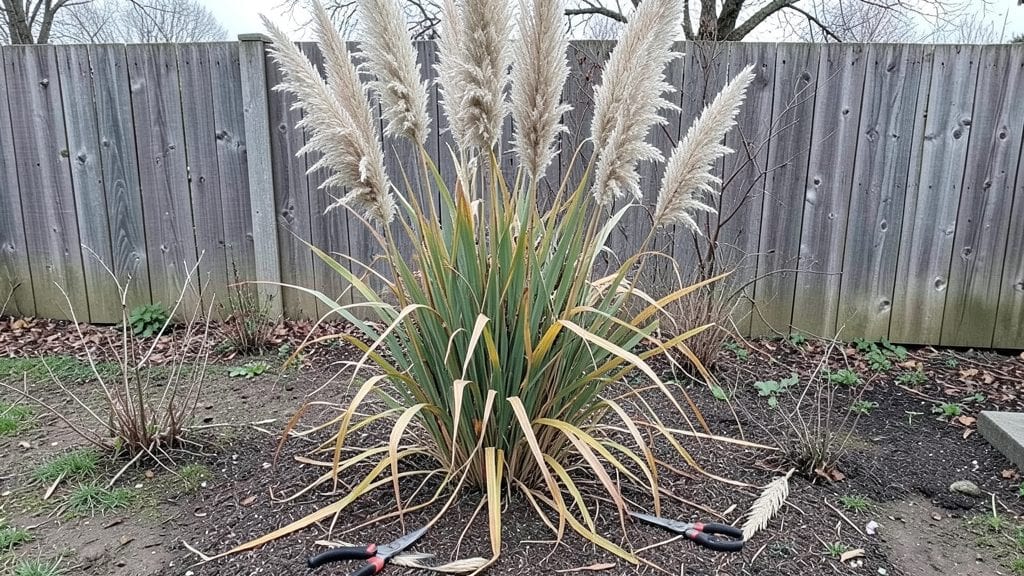
Cutting back pampas grass requires trimming dead foliage to 6–12 inches above ground in late winter or early spring, then reducing mature plumes to 1/3 of their height after flowering to maintain shape and encourage new growth. Avoid trimming in fall or during dormancy to protect winter hardiness.
Pampas grass thrives when you respect its natural growth rhythm—cutting too early or too aggressively can stress the plant, while strategic trimming in late winter or early spring aligns with its dormancy break.
The 6–12 inch rule for dead foliage prevents dieback while allowing roots to store energy for new shoots. 🌿 For mature plumes, reducing them by one-third after flowering isn’t just about aesthetics; it redirects the plant’s resources toward stronger, denser growth next season.
In colder climates, wait until after the last frost to trim—this ensures the plant isn’t vulnerable to late-season cold snaps. Meanwhile, in warmer regions, you might stretch the window slightly into early spring as long as you avoid cutting into last year’s dormant stems, which won’t regrow.
Always use sharp tools to make clean cuts, and never remove more than one-third of the foliage at once to avoid shocking the plant.
💡 In This Article
- Best Trimming Height for Pampas Grass Growth
- Step-by-Step Guide to Pruning Pampas Grass Safely
Best trimming height for pampas grass growth
Pampas grass enters dormancy in late fall, and its growth cycle depends on temperature cues rather than daylight hours. The 6–12 inch height guideline for trimming dead foliage isn't arbitrary—it aligns with the plant's need to maintain a photosynthetic canopy while protecting its crown from frost.
Studies show that cutting too low (3 inches) exposes the crown to cold damage, while leaving too much (> 18 inches) creates a harbor for pests and fungal diseases like Fusarium. The sweet spot balances aeration with insulation.
Here's what's actually happening at the root level: Pampas grass stores carbohydrates in its rhizomes during dormancy, fueling spring regrowth. When you trim to 6–12 inches, you're preserving enough leaf surface to continue photosynthesis until new shoots emerge—typically within 4–6 weeks after the last frost.
In USDA Zones 8–10, where winters are mild, you can extend the window slightly into early spring, but never cut into last year's brown stems, which are already dead and won't regrow.
The one-third reduction rule for mature plumes works because it mimics the plant's natural pruning process. When plumes flower, they divert energy from foliage growth. By removing one-third of the height (not volume), you're essentially telling the plant, "You've done your job—now focus on leaves."
This triggers a hormonal shift that promotes denser, bushier growth. Think of it like giving your plant a haircut after a growth spurt—it's about redirecting energy, not punishing the plant.
Climate plays a critical role in timing. In cold climates (Zones 5–7), wait until after the last frost date (usually mid-to-late April) to trim, as late frosts can kill new shoots.
In warm climates (Zones 9–11), you might trim as early as February, but monitor for signs of new growth—if you see green shoots, hold off. The key is to trim when the plant is just waking up but hasn't yet committed to full growth.
Identifying dead vs. live stems is easier than you think. Dead stems are hollow, brittle, and brown all the way through—they snap cleanly when bent. Live stems, on the other hand, have a green or white pith inside and bend without snapping.
Pro tip: Run your thumb along the stem—if it feels rough and dry, it's dead. If it's smooth or slightly fuzzy, it's alive. This distinction is crucial because cutting into old wood (dead stems) won't regrow, while cutting into live stems can stunt new growth.
One common mistake is trimming in fall, which removes the plant's protective layer for winter. Pampas grass relies on its dead foliage to insulate the crown, and cutting it back too early exposes the plant to cold stress.
In frost-prone areas, this can even kill the plant outright. The exception is if your plant is severely diseased—in that case, remove all infected material immediately, but still leave 6 inches of stem to protect the crown.
For maximum vigor, time your plume reduction to late summer or early fall, after the flowers have fully dried. This gives the plant time to recover before winter.
The goal is to maintain a balanced silhouette—not just for aesthetics, but to ensure the plant isn't overburdened with last year's growth. 💫