
Lawn
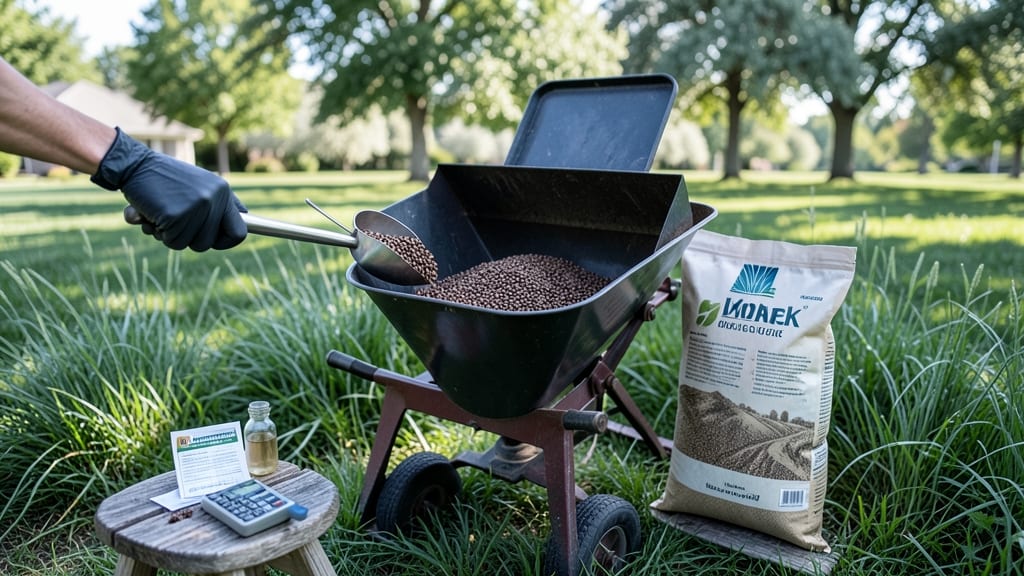
Fertilizing your lawn in Iowa at the right time—early spring, late fall, or light summer feeds—can transform a dull, patchy yard into a vibrant green space 🌱.
But Iowa’s unpredictable climate—from scorching summers to freezing winters—means timing your lawn fertilization just right can mean the difference between a lush green carpet and a patchy, struggling yard.
Most Iowa homeowners miss the best windows because they don’t account for soil temperatures or seasonal shifts. Cool-season grasses (like Kentucky bluegrass) thrive when soil hits 50–55°F in spring, while warm-season grasses (like Bermuda) need 60–90°F in summer—and those temps don’t align with calendar months.
In this guide, I’ll break down the exact timing for Iowa’s 5a-6b zones, how to prep your soil for absorption, and the one mistake that burns more lawns than drought does.

Iowa lawn fertilization schedule by soil temperature & season
Iowa’s cool-season grasses like Kentucky bluegrass and tall fescue dominate most lawns, thriving when soil temperatures hover between 50–55°F. This means your fertilization timing should align with Iowa’s Zone 5–6 climate, where early spring and fall offer the best windows for feeding.
Warm-season grasses like Bermuda grass (common in southern Iowa) prefer 60–90°F soil, shifting the schedule slightly—but most Iowans stick with cool-season varieties.
Timing isn’t just about the calendar; it’s about soil temperature. A soil thermometer (just $10 at garden centers) becomes your best friend—wait until the ground warms to 50°F before spring’s first application.
In northern Iowa, this might mean late April, while southern regions could start earlier in March. The key is avoiding frost, which can burn grass roots and waste fertilizer.
Here’s the science-backed breakdown for Iowa lawns, tailored to your region and grass type:
| Season | Ideal Soil Temp (°F) | Grass Type | Fertilization Window | Iowa Region |
|---|---|---|---|---|
| Early Spring | 50–55°F | Cool-season (KBG, Fescue) | Late April–Early May | North/Central Iowa |
| Early Spring | 55–60°F | Cool-season | March–April | Southwest Iowa |
| Summer | 60–90°F | Warm-season (Bermuda) | June–July (light feed) | Southern Iowa |
| Fall | 50–55°F | Cool-season | Late September | Statewide |
| Winter | Below 50°F | All types | Skip fertilization | Statewide |
Your first spring feeding should happen as soon as the soil warms to 50°F—typically late April for northern Iowa and early April for southern areas. Use a high-nitrogen fertilizer (24-0-5) to jumpstart growth after winter dormancy.
For cool-season grasses, this is your heaviest feeding of the year, so don’t skimp: aim for 1 lb per 100 sq ft.
Summer fertilization is tricky in Iowa’s heat. Cool-season grasses go dormant in July–August, so hold off on heavy feeds. Instead, apply a light nitrogen boost in June (if needed) to maintain color, but avoid fertilizing when temps exceed 85°F—it burns roots.
Warm-season grasses in southern Iowa can handle a light summer feed in June–July, but most Iowans stick with cool-season varieties.
Fall is your second critical window. Apply a light fertilizer in late September (when soil cools to 50–55°F) to strengthen roots before winter. This isn’t about lush growth—it’s about preparing for freeze-thaw cycles.
Use a slow-release formula to avoid winter burn, and avoid fertilizing after October 15, when frost risk rises.
Iowa’s Zone 5–6 climate means frost can linger into May or arrive by mid-October. If you’re in northern Iowa (Zone 5a), delay spring feeding until after May 1 to ensure soil stays above 50°F.
Southern Iowans (Zone 6b) can start earlier, but always check soil temp—not the air temperature. A 5-minute soil check with a thermometer saves money and prevents wasted fertilizer.
Pro tip: Test your soil first. Iowa’s heavy clay soils often need lime adjustments (pH 6.0–7.0 is ideal for lawns). A simple $20 soil test kit from your local extension office reveals whether you need extra phosphorus or potassium alongside nitrogen. Over-fertilizing leads to thatch buildup and runoff—
5 Critical mistakes Iowa homeowners make when fertilizing (and how to avoid them)
Iowa’s heavy clay soil and unpredictable drought cycles create unique challenges for lawn fertilization. Many homeowners make costly mistakes that waste money and harm their grass. The most common? Ignoring soil temperature and overapplying nitrogen during heatwaves. Let’s break down these pitfalls and how to avoid them.
First, fertilizing in extreme heat (above 85°F) stresses grass roots, causing brown patches and nutrient burn. Similarly, applying fertilizer in freezing temperatures (below 40°F) wastes nutrients since grass isn’t actively growing. Iowa’s Zone 5-6 climate means you must time applications carefully to align with grass growth cycles.
⚠️ callout warning
Iowa’s heavy clay soil (common in northern regions) blocks water and nutrients, making fertilization less effective. Always aerate before fertilizing to break up compaction. Southern Iowa’s sandy soils drain too quickly—use slow-release fertilizers to prevent runoff.
Pro Tip: Test soil pH (ideal: 6.0–7.5) before fertilizing. Iowa’s acidic soils often need lime adjustments.
Another big mistake is skipping soil tests before fertilizing. Many Iowa lawns have excess phosphorus from years of over-fertilization, yet homeowners keep adding high-nitrogen blends. A simple $20 soil test from Iowa State Extension reveals what nutrients your lawn truly needs.
Overapplying quick-release nitrogen in summer leads to brown grass and weed infestations. Instead, opt for slow-release fertilizers (like 24-0-5 blends) in early spring (April) and fall (September), when grass grows most actively. Iowa’s drought-prone summers mean summer feeding should be minimal.
Here’s your pre-fertilization checklist for Iowa lawns: ☑️ Test soil pH and nutrients (use Iowa State Extension’s free testing) ☑️ Aerate compacted clay soil in spring or fall ☑️ Choose slow-release fertilizer for summer applications ☑️ Water deeply 24 hours before and after fertilizing ☑️ Avoid fertilizing during drought or extreme heat ☑️ Mow high (3–4 inches) to reduce stress after fertilizing
Finally, fertilizing new grass seed is a recipe for disaster. Young seedlings need low-nitrogen starter fertilizer (like 10-10-10), not full-strength blends. Iowa’s cool-season grasses (Kentucky bluegrass, fescue) thrive with fall applications, while warm-season grasses (Bermuda, zoysia) need summer feeding—but only in southern Iowa.
By avoiding these mistakes, your Iowa lawn will stay lush without wasting money or harming the environment. Start with a soil test, time applications right, and watch your grass thrive—even through Iowa’s toughest seasons! 🌱