
Lawn
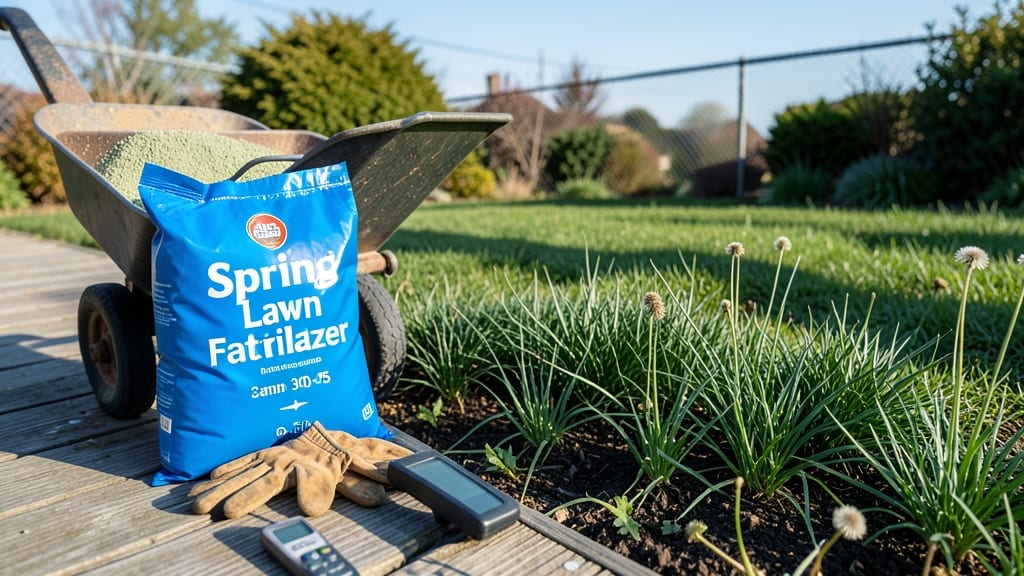
Fertilizing your lawn after winter at the right time ensures strong growth and avoids wasting nutrients when the soil is still too cold.
Spring is here, but rushing to fertilize your lawn after winter can backfire—cool soil temperatures waste nutrients and harm grass roots. Timing is everything, and the secret lies in soil warmth, not just the calendar.
Most lawn grasses like fescue and bluegrass need soil temperatures above 50°F before they can absorb fertilizer effectively. In cooler zones like USDA 6a, that could mean waiting until late March or even April, while warmer climates might start as early as February.
Below, I’ll walk you through how to check your soil temperature, the best fertilizer types for early spring, and the 3 signs your lawn is truly ready to feed.

Ideal soil temperature for spring lawn fertilization
Soil temperature isn’t just a number—it’s the deciding factor between a lush, green lawn and wasted fertilizer money. Cool-season grasses like fescue and bluegrass need soil temps of at least 50°F to activate root growth, while warm-season varieties such as Bermuda and Zoysia require 60°F+ to prevent nutrient burn.
Ignoring this threshold means your fertilizer could leach away or even harm your grass.
Think of soil temperature like a green light for your lawn’s metabolism. Below these thresholds, grass roots stay dormant, and any fertilizer applied will simply sit on the surface or wash away with rain.
Worse yet, warm soil can cause fertilizer burn, turning your lawn brown before it even has a chance to thrive. The key is patience—waiting for the right temperature ensures nutrients go straight to where they’re needed: the roots.
You might be tempted to fertilize as soon as the snow melts, but rushing leads to regret. A frozen or still-chilled lawn can’t process nutrients efficiently, leaving your hard-earned dollars down the drain.
Instead, grab a soil thermometer (they’re cheap and game-changing) and check the temperature at a 4-inch depth. This is where the action happens—surface temps can be misleadingly warm while deeper soil stays cold.
Here’s a quick soil temp checklist before fertilizing: ☑️ Cool-season grasses: Wait until soil hits 50°F+ at 4 inches deep ☑️ Warm-season grasses: Hold off until 60°F+ ☑️ Thawed ground: Ensure no puddles or mud—your lawn needs to be dry enough to work ☑️ New growth: Look for 10-15% green returning to the lawn
Regional differences play a huge role here. In the Northern US, where winters are harsher, you might not hit 50°F until late April or even May. Meanwhile, Southern states could be ready by early March.
Don’t let your neighbor’s lawn trick you—your microclimate matters. Shady spots or low-lying areas stay cooler longer, so test multiple locations if your lawn isn’t uniform.
Now, let’s talk about why waiting pays off. When soil is too cold, fertilizer salts can build up in the root zone, creating a toxic environment. This causes yellowing or browning patches that take weeks to recover from.
On the flip side, warm soil helps beneficial microbes break down nutrients faster, making them available to your grass when it needs them most—during its growth surge in spring.
Testing soil temperature is easier than you think. A soil thermometer (digital or analog) gives you instant readings. For a DIY approach, use the "squeeze test": Gently press the soil with your fingers. If it feels slightly damp but crumbles easily, it’s likely in the right range.
Avoid testing after rain or when the ground is wet—this skews results. Early morning is the best time to check, as temps drop overnight.
Once your soil hits the magic threshold, act fast but smart. Apply a slow-release fertilizer to avoid overloading your lawn. Water lightly afterward to help nutrients penetrate the soil without causing runoff.
Think of this first feeding as a wake-up call for your grass—it’s telling your lawn, “Hey, it’s time to grow!” with the right fuel.
Remember, patience is your ally. Even if your neighbor’s lawn looks ready, their soil might be warmer due to sunlight exposure or soil type. Stick to your soil temp rule, and you’ll see healthier growth, fewer brown patches, and a lawn that stays green longer.
Trust the science—your grass will thank you this season.
Step-by-step guide to fertilizing based on grass type
Your grass type dictates the perfect fertilization window after winter. Cool-season grasses like fescue and bluegrass wake up earlier, while warm-season varieties like Bermuda and Zoysia need warmer soil to thrive.
Ignoring these differences can lead to wasted fertilizer or stressed grass. Let’s break it down by type and climate zone so you can time your feedings like a pro.
For Northern climates (USDA Zones 3–6), aim to fertilize 4–6 weeks after last frost when soil temps hit 50°F+. Southern regions (Zones 7–10) can start earlier—late February to early March—since the ground warms faster. Use a slow-release fertilizer to avoid nutrient burn during these critical early weeks.
Start with a soil test to check pH (ideal: 6.0–7.5) before applying fertilizer. If your soil is acidic, add lime in fall to prep for spring.
For cool-season grasses, split your first feeding into two—half in early spring and half in late spring—to avoid overloading roots still recovering from winter.
Warm-season grasses like Bermuda and Zoysia need patience. Wait until you see new growth (usually 3–4 weeks after last frost in the South) before fertilizing. In Northern climates, hold off until mid-April to align with soil warming.
Pro tip: Use a soil thermometer—if temps dip below 55°F, delay fertilization for 1–2 weeks.
After fertilizing, water deeply (1–1.5 inches) to activate nutrients. For cool-season grasses, apply half the recommended rate if your lawn shows slow green-up. Warm-season grasses may need a second feeding in June to sustain summer growth. Always avoid fertilizing in extreme heat (above 85°F) to prevent stress.
Monitor your lawn for 3–4 weeks post-fertilization. Healthy grass should show vibrant green blades and sturdy roots. If you notice yellow patches or brown tips, you’ve overdone it—flush the lawn with 2 inches of water to dilute excess nutrients.
Adjust future applications based on these signs for a perfectly timed feeding schedule.