
Lawn
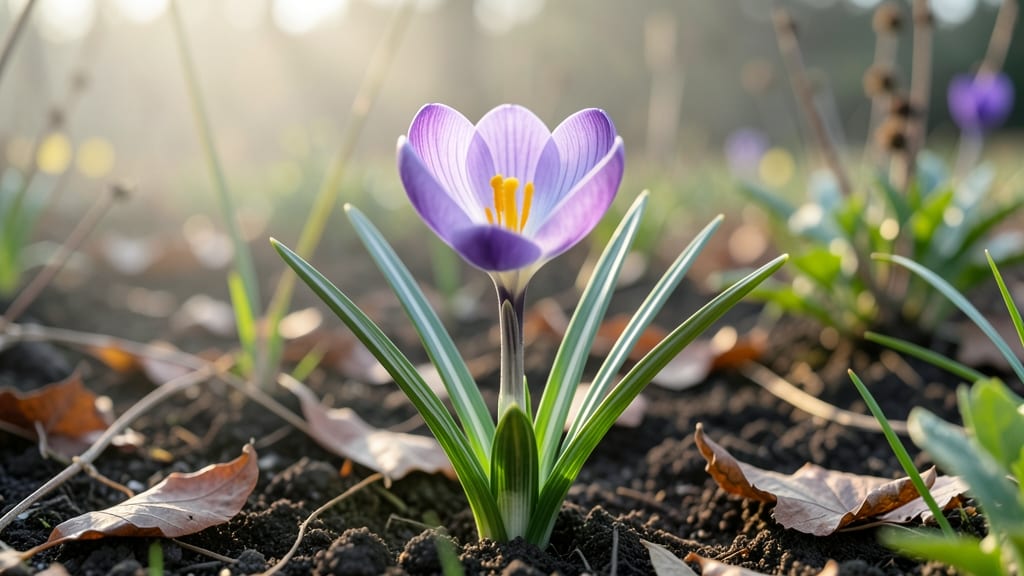
Growing crocus in lawns turns your winter-brown grass into a carpet of purple, white, and yellow by February. ✨ I planted mine last fall, and now every spring, those cheerful blooms push through the grass before anything else—outcompeting weeds naturally while adding color when we need it most.
The secret starts with timing: plant bulbs in fall (October-November) when soil temps drop to 50-60°F. Choose a sunny spot—crocus thrives where grass struggles—and loosen the soil with a trowel or aerator to 3-4 inches deep.
No need for fancy soil; just dig, drop the bulbs 3 inches apart, and cover with grass clippings to deter critters.
Once planted, forget them until spring. They need minimal water—just enough to keep the soil from drying out completely. When blooms appear, resist the urge to mow until leaves turn brown (they feed the bulbs for next year).
A light mulch of compost in fall keeps weeds at bay without smothering the crocus.
Common challenges? Overcrowding after 3-4 years—just dig up and divide clumps in fall. Squirrels? Plant deeper or use wire mesh. The payoff? Zero weeds, early spring color, and bulbs that multiply like crazy. Try it—your lawn will thank you.
📚 In This Guide
- What you need
- Instructions
- Tips and common mistakes
- Wrapping up and next steps
What you need
- ● Crocus bulbs: Choose early- or mid-spring varieties (e.g., Crocus vernus or Crocus tommasinianus). Aim for 10–20 bulbs per square yard for a lush display.
- ● Bulb planter or hand trowel: A 3–4 inch bulb planter (or a sturdy hand trowel) for digging holes.
- ● Garden gloves: A pair to protect your hands while handling soil and bulbs.
- ○ Compost or well-draining soil mix: 5–10 lbs (optional but recommended for poor soil).
- ● Organic mulch (e.g., straw or shredded leaves): 1–2 inches to retain moisture and suppress weeds.
- ● Watering can or hose with a gentle spray nozzle: For post-planting hydration.
- ● Bulb fertilizer: A low-nitrogen, high-phosphorus formula (e.g., 5-10-10) to boost root growth.
- ● Weed barrier fabric: If your lawn has aggressive weeds, lay a lightweight landscape fabric before planting.
- ● Garden marker flags: To label varieties if you’re testing multiple types.
- ● Lawn aerator (rental or manual): For loosening compacted soil before planting.
Step-by-step instructions for planting crocus in your lawn
Here's how to transform your lawn into a vibrant spring carpet—no weeds in sight.
🌱 Step 1: Choose the Right Time and Location
Plant crocus bulbs in early fall, about 6-8 weeks before your first hard frost. This gives roots time to establish before winter. I aim for mid-October in most climates—check your local frost dates to time it perfectly. Crocus thrives in full sun to partial shade, so pick spots where grass gets at least 4-6 hours of sunlight daily.
If your lawn has thick grass, mark potential planting areas with spray paint—this prevents accidentally mowing over your new bulbs. Crocus blooms best where the soil drains well, so avoid low-lying spots where water pools. A slight slope helps excess moisture run off naturally.
🪴 Step 2: Prepare the Soil and Plant Bulbs
Use a hand trowel to loosen the soil in 3-inch deep holes, spaced 3-4 inches apart in rows 6 inches apart. This spacing lets bulbs multiply over time while keeping the lawn looking full. Work the soil gently—crocus prefers loose, well-draining earth without heavy amendments like compost.
Place each bulb pointy end up, about 4-5 inches deep. The rule of thumb is 3 times the bulb's height—smaller bulbs need shallower planting. Cover with soil and lightly tamp to remove air pockets. Don’t water immediately; let the soil settle naturally for 24 hours before your first watering.
💧 Step 3: Water and Mulch for Winter Protection
Give newly planted bulbs a deep watering to encourage root growth before winter sets in. Aim for 1 inch of water—enough to moisten the soil 6 inches deep. After watering, apply a 1-inch layer of mulch (like shredded leaves or straw) to insulate the bulbs and protect them from freezing temperatures.
This mulch layer also suppresses weeds naturally, which is why crocus works so well in lawns. Remove the mulch in early spring once shoots appear—you’ll see bright green leaves emerging through the grass. Avoid heavy mulch in summer; crocus goes dormant and needs airflow around the soil.
☀️ Step 4: Maintain Through Spring and Summer
Once blooms appear in early spring, resist the urge to cut the grass too short. Leave foliage until it yellows and dies back naturally—this ensures bulbs store energy for next year’s flowers. You’ll know it’s time to mow when the leaves turn straw-colored and flop over.
Crocus thrives with minimal care after establishment. Water only during prolonged dry spells—let the lawn’s natural moisture cycle support them. Over time, your crocus patch will multiply, creating a natural weed barrier while adding cheerful color every spring.
⏰ Step 5: Divide and Expand Over Time
Every 3-4 years, dig up bulbs in late summer when foliage has died back. Use a hand fork to lift clusters gently, then separate the bulbs and replant the strongest ones in fresh spots. This prevents overcrowding and keeps blooms vibrant. I like to add new bulbs in fall to fill gaps naturally.
With proper planting, crocus will return year after year, outcompeting weeds while requiring almost no extra effort. The key is patience—first blooms may be sparse, but each season brings more color. Soon, your lawn will look like a living carpet of spring cheer!
Tips & tricks for perfect spring crocus planting
These simple tricks will help your crocus thrive and outcompete weeds for years to come.
Timing is Everything: The 6-8 week window before your first hard frost is critical—this gives roots time to establish before winter. I check my local frost dates online and mark my calendar for mid-October planting. If you're in a warmer climate, aim for early November instead. The key is getting those bulbs in the ground before the soil freezes solid.
Soil Prep Secret: Crocus prefers loose, well-draining soil without heavy amendments. I use my hand trowel to create those 3-inch deep holes, but here's the trick: gently work the soil around the hole with your fingers to create tiny air pockets. This improves drainage naturally while keeping the soil loose for root growth. Don't compact it when you tamp down after planting—just press lightly to remove air pockets.
Mulch Magic: That 1-inch layer of mulch serves double duty—it insulates bulbs through winter AND suppresses weeds. I use shredded leaves because they break down slowly, but straw works too. The secret is removing it in early spring when you see those first bright green shoots. This prevents the mulch from smothering the emerging foliage while still protecting the soil.
Visual Cues for Maintenance: When your crocus foliage turns straw-colored and flops over, that's your signal to mow. I always take a photo of my first year's foliage as reference—it helps me remember what "ready to mow" looks like. This timing ensures bulbs store enough energy for next year's blooms while avoiding the temptation to cut too early.
Pro Tips for Growing Crocus In Lawn
- These simple tricks will help your crocus thrive and outcompete weeds for years to come.
- Timing is Everything: The 6-8 week window before your first hard frost is critical—this gives roots time to establish before winter.
- Soil Prep Secret: Crocus prefers loose, well-draining soil without heavy amendments.
Frequently asked questions
Got questions about adding crocus to your lawn? We’ve got answers! Here are some of the most common concerns—plus expert tips to help you succeed.
Can crocus grow in full sun or shade?
Crocus thrives in both! They love full sun (6+ hours of light) but tolerate partial shade, especially in hotter climates. For best results, plant them where they get morning sun and afternoon shade if your lawn is very sunny.
How long does it take for crocus bulbs to bloom after planting?
Most crocus bulbs bloom within 4–6 weeks of planting, depending on the variety and your climate. Dutch crocus (like Crocus vernus) often appear in early spring, while autumn-planted species may bloom the following year. Patience pays off—once established, they’ll return yearly!
Are crocus bulbs deer- or rodent-resistant?
Unfortunately, no! Deer and squirrels may nibble on crocus bulbs or flowers. To deter them, plant bulbs 6+ inches deep (deeper than their natural preference) or use deer-resistant companion plants like daffodils or alliums. A light mulch layer can also help.
Will crocus outcompete grass in my lawn?
Not at all! Crocus grows under grass, emerging before lawns green up. Their shallow roots won’t smother grass, and their early blooms add color without crowding. For thicker lawns, mow after blooming (when foliage yellows) to avoid cutting the bulbs.
What do I do if my crocus flowers don’t come back?
Missing blooms often mean the bulbs need more sunlight, water, or time to establish. Check for overcrowding (dig up and replant bulbs every 3–5 years) or poor drainage. If bulbs rot, ensure they’re planted in well-draining soil. With care, they’ll bounce back!
Bonus Tip:
Plant crocus bulbs in fall (6–8 weeks before your first frost) for the best spring display. Label your planting spots if you’re testing new varieties—it’s easy to forget what’s where!
Wrapping up and next steps
Growing crocus in your lawn isn’t just about adding beauty—it’s a natural, low-maintenance way to outsmart weeds while welcoming spring with vibrant color. 🌸 From choosing the right varieties to planting and caring for them, these hardy blooms prove that a stunning lawn doesn’t require chemicals or backbreaking work.
Ready to transform your yard into a weed-resistant paradise? Start small—plant a few bulbs this fall—and watch your lawn bloom into a cheerful, resilient landscape next spring! Your future self (and your lawn) will thank you.