
Lawn
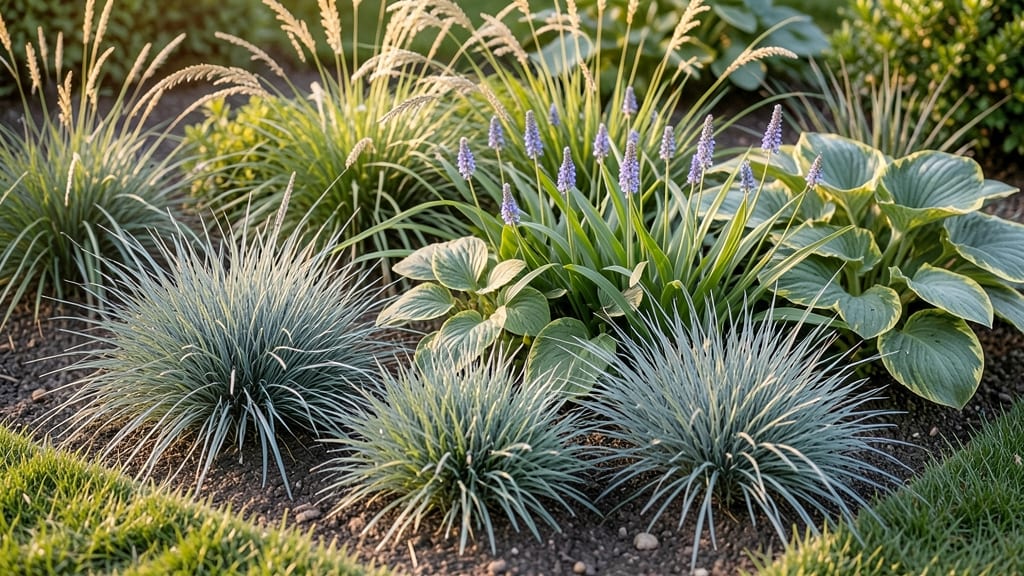
Your green leaves lawn and landscape can stay shockingly lush all year without backbreaking work. 🌿 The secret isn’t just grass—it’s layering evergreen shrubs, ornamental grasses, and shade-tolerant perennials that keep things vibrant when summer heat or winter chill would otherwise dull the scene.
I’ve transformed my own yard from a patchy brown mess to a year-round green oasis using just a few strategic plants and simple care routines.
The magic happens in three easy layers: a dense grass base, mid-height foliage plants like boxwood or holly, and taller accents like feather reed grass or arborvitae. This combo creates depth while cutting down on mowing, watering, and maintenance.
Even in drought-prone areas, these plants thrive once established, and their textures add interest that flat lawns never can.
By late spring, you’ll see bold green waves of growth where bare spots used to be, and by fall, the same plants will still be holding their color while neighbors’ yards fade. The best part?
You’ll spend less time fussing and more time enjoying your outdoor space—whether that’s morning coffee on the patio or weekend barbecues under the trees. This approach works for any yard size, from small city lots to sprawling suburban properties.
Let’s dive into the plants and techniques that make it all possible!
📚 In This Guide
- What you need
- Instructions
- Tips and common mistakes
- Wrapping up and next steps
What you need
- ● Grass seed: Choose high-quality, climate-appropriate seed blends (e.g., Kentucky Bluegrass, Fescue, or Bermuda). Purchase 5–10 lbs per 1,000 sq. ft. for new lawns or 2–5 lbs for overseeding.
- ● Soil amendments: Compost (2–3 inches, spread evenly)
- ● Topsoil (if patching bare spots, 1–2 inches)
- ● Lime or sulfur (test soil pH first—aim for 6.0–7.0)
- ● Fertilizer: Slow-release, organic or synthetic (e.g., 16-4-8 or 10-10-10 NPK ratio). Apply 1 lb per 100 sq. ft. every 6–8 weeks.
- ● Mulch: Shredded bark or pine straw (2–3 inches deep) for landscapes.
- ● Mulch: Shredded bark or pine straw (2–3 inches deep) for landscapes.
- ● Lawn mower (adjustable height: 2–4 inches for most grasses)
- ● Broadcast or drop spreader (for seed/fertilizer—calibrate for even coverage)
- ● Rake (bow or leaf rake for debris; metal-tined for soil prep)
- ● Garden hose with adjustable nozzle (or sprinkler system)
- ● Soil pH test kit (or send a sample to a local extension office)
- ● Gloves & knee pads (because comfort matters!)
- ● Dethatcher (if lawn has thick thatch— is ideal)
- ● Aerator (core or spike—rent if needed for compacted soil)
- ● Weed barrier fabric (for new landscapes to suppress weeds)
- ● Disease-resistant plant varieties (e.g., Zoysia for heat tolerance)
- ● Smart irrigation controller (to save water and time!)
Instructions for creating a lush, low-maintenance landscape
Here's how to transform your outdoor space into a vibrant, year-round green oasis with smart plant selection and care.
🌱 Step 1: Assess Your Space and Choose the Right Plants
Start by walking your property and noting sunlight patterns—most lawns and landscapes thrive with a mix of sun-loving perennials, shade-tolerant ground covers, and drought-resistant shrubs. I always divide my yard into zones: full sun (6+ hours), partial shade (3-6 hours), and deep shade (less than 3 hours). This ensures every plant gets the right growing conditions.
For minimal effort, focus on native plants—they adapt naturally to your climate, require less water, and resist pests. For example, creeping thyme thrives in full sun, while hostas and ferns flourish in shady spots. Write down your zones and research 3-4 plants per area that fit your sunlight conditions.
🌿 Step 2: Prepare the Soil for Healthy Growth
Healthy soil is the foundation of a vibrant landscape. Test your soil's pH and nutrient levels with a simple kit—most home improvement stores sell them. Aim for a pH between 6.0 and 7.0 for most plants. If your soil is too compacted, rent a core aerator to create holes for roots to spread.
Mix in 2-3 inches of compost into the top 6 inches of soil for nutrients and improved drainage. I like to do this in early spring or fall when the ground is workable but not frozen. Water the area deeply after amending to help the compost integrate with the soil.
☀️ Step 3: Plant Strategically for Year-Round Color
Layer plants by height and texture to create visual interest. Start with taller plants like shrubs or small trees at the back, then add mid-height perennials, and fill the front with ground covers or low-growing annuals. This creates depth and keeps your landscape looking full without overcrowding.
Incorporate evergreens like boxwood or holly for winter structure, and add seasonal bloomers like tulips or daffodils for spring color. For summer interest, include plants like coneflowers or black-eyed Susans. Mulch around plants with 2-3 inches of organic mulch to retain moisture and suppress weeds.
💧 Step 4: Establish a Smart Watering Routine
Deep, infrequent watering encourages strong root growth. Water in the early morning to reduce evaporation and fungal diseases. Most landscapes need 1-1.5 inches of water per week, including rainfall. Use a rain gauge or tuna can to measure water accurately—it's surprising how much less you need than you think.
Install a drip irrigation system or soaker hoses for efficiency, especially in hot climates. Water at the base of plants, avoiding leaves to prevent disease. Once plants are established (after 1-2 years), they'll need less frequent watering. Check soil moisture by sticking your finger 1-2 inches deep—if it's dry, it's time to water.
✂️ Step 5: Maintain with Seasonal Care
Prune perennials in early spring or after they bloom to encourage new growth. Remove dead or diseased branches immediately to prevent spreading. For lawns, mow at 3-4 inches high to encourage deep roots and shade out weeds. Never remove more than one-third of the grass blade in a single mowing.
Fertilize lightly in early spring and again in early fall with a balanced, slow-release fertilizer. Over-fertilizing leads to weak growth and environmental runoff. In late fall, add a layer of mulch to protect plants from freezing temperatures and retain moisture for next year's growth.
Tips & tricks for perfect year-round landscaping
Transforming your outdoor space into a vibrant, low-maintenance garden starts with these game-changing strategies that save time and effort while maximizing beauty.
Sunlight Zone Precision: When mapping your yard's sunlight zones in Step 1, use a simple app or even a DIY sunlight tracker—place a white plate in different areas and mark how many hours it's exposed to direct sun. This precision ensures you select plants like creeping thyme for full sun (6+ hours) or hostas for deep shade (less than 3 hours). I've found that even small variations in sunlight exposure can determine whether your plants thrive or struggle.
Soil Prep Shortcut: For Step 2's soil amendment, consider using a soil test kit from your local extension office—they often provide free or low-cost testing and personalized recommendations. The 2-3 inches of compost you mix into the top 6 inches of soil will work wonders, but if your soil is particularly poor, add a balanced organic fertilizer like 10-10-10 at half strength. This boosts nutrient availability without overwhelming new plants.
Plant Layering Pro Tip: In Step 3, when creating visual depth, remember the "rule of thirds" for plant spacing—leave about 2-3 inches of organic mulch between plants at the same height level. This prevents overcrowding while allowing each plant to show off its unique texture. I always place taller shrubs at the back, mid-height perennials in the middle, and ground covers in front, creating a natural staircase effect that draws the eye.
Watering Hack: For Step 4's watering routine, consider installing a rain sensor on your irrigation system if you have one. These sensors automatically shut off watering during rain, saving you time and preventing overwatering. The 1-1.5 inches of water per week guideline works perfectly when combined with this smart technology, especially during those unpredictable spring showers or summer droughts.
Pro Tips for Green Leaves Lawn And Landscape
- Transforming your outdoor space into a vibrant, low-maintenance garden starts with these game-changing strategies that save time and effort while maximizing beauty.
- Sunlight Zone Precision: When mapping your yard's sunlight zones in Step 1, use a simple app or even a DIY sunlight tracker—place a white plate in different areas and mark how many hours it's exposed to direct sun.
- Soil Prep Shortcut: For Step 2's soil amendment, consider using a soil test kit from your local extension office—they often provide free or low-cost testing and personalized recommendations.
Frequently asked questions
Got questions about keeping your lawn and landscape lush and green year-round? You’re not alone! Here are answers to some of the most common concerns—plus tips to make maintenance a breeze.
How often should I water my lawn for vibrant green leaves?
Water deeply 1-2 times per week (early morning is best) to encourage deep root growth. Aim for 1–1.5 inches of water per session. Adjust based on rainfall—drought-stressed grass turns brown, while overwatering wastes resources and invites pests. Pro tip: Use a rain gauge or tuna can to measure!
When is the best time to fertilize for year-round greenery?
For cool-season grasses (like fescue or bluegrass), fertilize in early spring, summer, and fall. Warm-season grasses (like Bermuda) thrive with spring and summer feedings. Slow-release fertilizers (like organic options) reduce runoff and keep your lawn vibrant with less effort. Check our materials section for recommendations!
What’s the easiest way to fix patchy or brown grass?
Start by testing your soil’s pH (ideal range: 6.0–7.0). If the issue is shade, overseed with shade-tolerant grass like fine fescue. For dry spots, improve drainage or adjust watering habits. If brown patches persist, they might be fungal—try a natural fungicide like neem oil before resorting to chemicals.
Are there low-maintenance alternatives to traditional grass?
Consider clover mixes (stays green longer, fixes nitrogen), moss (thrives in shade), or ground covers like creeping thyme. These options need far less water and mowing while still looking lush. Just note: Some alternatives may require occasional trimming or edging to keep them tidy.
How can I keep weeds out without harsh chemicals?
Prevent weeds with a thick, healthy lawn—mow high (3–4 inches), aerate annually, and apply corn gluten meal (a natural pre-emergent). For stubborn weeds, hand-pull or spot-treat with vinegar + dish soap (test on a small area first). Mulching flower beds with wood chips or straw also smothers weeds naturally.
What’s the best way to prep my lawn for winter?
Leave grass taller (3–4 inches) to insulate roots. Dethatch if needed, then apply a winterizer fertilizer (low nitrogen, high potassium) in late fall. Rake up leaves to prevent snow mold, and consider a light layer of straw in vulnerable areas. Avoid heavy foot traffic on frozen ground to prevent compaction.
Wrapping up and next steps
A lush, green leaves lawn and landscape isn’t just a dream—it’s an achievable reality with the right approach! By focusing on soil health, seasonal care, and low-maintenance strategies, you can enjoy vibrant outdoor spaces year-round without the hassle.
Small, consistent efforts—like proper watering, mulching, and smart plant choices—make all the difference.
Ready to transform your space? Start by prioritizing one task from this guide today—whether it’s testing your soil, planting drought-resistant greenery, or adjusting your watering schedule. Your future self (and your lawn!) will thank you. 🌱✨