
Lawn
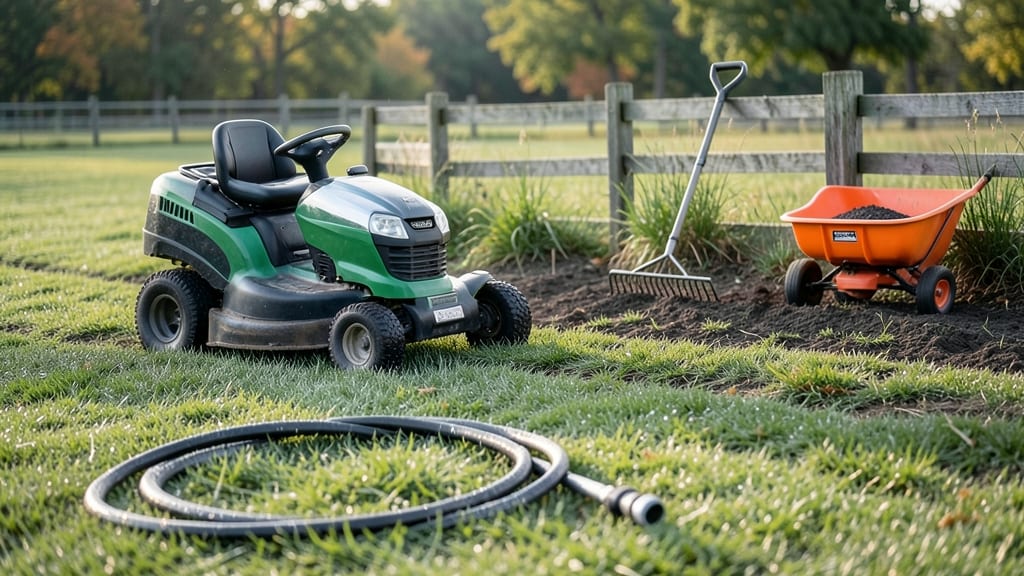
A grass turf lawn that looks like a pro landscaper designed it isn't luck—it's timing, soil prep, and the right grass type working together. 🌱 I've turned bare patches into thick, green carpets in 30 days by following a foolproof system that skips the guesswork.
Start with a soil test to know what your lawn needs—most spots benefit from a 2-inch layer of compost mixed into the top 6 inches. Choose grass seed suited to your climate (cool-season for northern states, warm-season for southern), and don't skimp on quality.
The right blend grows faster and fills in gaps before weeds get a chance. Within two weeks, you'll see sprouts pushing through the soil, and by day 30, you'll have a lawn so lush you'll forget it started as dirt. The secret?
Consistent watering (deep but infrequent) and light, frequent mowing to encourage dense growth. This method works for new lawns, patchy areas, or even repairing old grass. Skip the expensive sod—seed is cheaper, and you control the quality. Let's get your lawn looking its best.
📚 In This Guide
- What you need
- Instructions
- Tips and common mistakes
- Wrapping up and next steps
What you need
- ● Grass turf (sod): Calculate 10 sq. ft. per sq. yard of lawn area. Choose Kentucky Bluegrass, Fescue, or Bermuda based on climate.
- ● Topsoil (if needed): 2–4 inches for uneven or bare patches. Opt for loamy soil with good drainage.
- ● Fertilizer: Slow-release 16-4-8 NPK or organic compost (apply 0.5 lbs per 100 sq. ft.).
- ● Mulch (straw or peat): ¼-inch layer to retain moisture and protect roots.
- ● Water source: Hose with adjustable nozzle or sprinkler system (for large areas).
- ● Shovel & spade: For digging and soil prep.
- ● Rake (bow or leaf): To level soil and remove debris.
- ○ Lawn roller (optional): 50–100 lbs for compacting soil before laying turf.
- ● String line & stakes: To mark straight edges for precise cuts.
- ● Knee pads & gloves: Because comfort matters!
- ● Weather check: Install turf on a cool, cloudy day (avoid heatwaves or frost).
- ● Soil test: pH 6.0–7.0 (adjust with lime or sulfur if needed).
- ○ Weed barrier (optional): Landscape fabric under turf to prevent weeds (10 sq. ft. per sq. yard).
- ● Irrigation plan: Water 1–1.5 inches/day for the first 2 weeks.
Step-by-step instructions for installing a grass turf lawn
Here’s how to get that vibrant, healthy lawn in just 30 days—no guesswork, just proven techniques.
🪴 Step 1: Prepare the Soil for Optimal Growth
Start by removing all existing vegetation, rocks, and debris from your yard. I use a shovel or sod cutter to dig up weeds and loosen compacted soil. The goal is to create a level, smooth surface—uneven ground leads to water pooling and patchy growth. Rake the area thoroughly to break up clumps and remove any remaining debris.
Next, test your soil’s pH (aim for 6.0–7.0). If it’s off, amend with lime (to raise pH) or sulfur (to lower it) according to a soil test kit. Work the amendments into the top 4–6 inches of soil using a rototiller or garden fork. This ensures your grass has the right conditions to establish strong roots right away.
☀️ Step 2: Spread and Level the Topsoil
Spread a 2–3 inch layer of high-quality topsoil evenly across the prepared area. Use a rake to level it out, creating a smooth, slightly sloped surface (about 1 inch drop per 10 feet for drainage). This prevents water from pooling and keeps your lawn healthy. I like to run a board over the soil to check for high or low spots—adjust until it’s perfectly even.
Compact the soil lightly with a lawn roller or by walking over it in a grid pattern. This step is critical—without it, your turf will settle unevenly, leading to bumps or sinkholes. Water the soil lightly after leveling to help it settle before laying the sod.
🌱 Step 3: Lay the Grass Turf in a Staggered Pattern
Start laying the sod along a straight edge, like a sidewalk or fence, to keep rows aligned. Stagger the seams (like brickwork) so the edges don’t line up—this creates a stronger, more natural-looking lawn. Press each piece firmly into the soil to eliminate air pockets, but don’t overlap the edges. Use a sharp knife to trim excess sod around obstacles like trees or curbs.
Water the sod immediately after installation—soak the soil until it’s 2–3 inches deep. You’ll know it’s enough when water runs off the surface. Keep the turf moist (not soggy) for the first 2 weeks to encourage rooting. I set a reminder to water every other day in the morning to avoid fungal issues.
💧 Step 4: Maintain Watering and Mowing for Rapid Establishment
For the first 10 days, water lightly twice daily (morning and evening) to keep the sod hydrated. After that, water deeply 2–3 times per week—enough to moisten the soil 4–6 inches down. Overwatering can suffocate roots, so always check moisture by sticking your finger into the soil. It should feel damp but not wet.
Wait 7–10 days before mowing for the first time. Set your mower blade to 3–4 inches high—this helps shade the soil, retain moisture, and encourage deep root growth. Avoid walking on the lawn until it’s fully established (usually 3–4 weeks), or you’ll damage the fragile roots.
✂️ Step 5: Fertilize and Monitor for Long-Term Health
After 4–6 weeks, apply a slow-release, nitrogen-rich fertilizer to boost growth. I use a spreader for even coverage and water it in immediately. This timing ensures the grass has enough energy to recover from transplant shock before entering its peak growing phase. Follow the package rates—too much fertilizer can burn the grass.
Watch for signs of stress, like yellowing or thinning patches. These often mean overwatering, underwatering, or soil compaction. Aerate the lawn in late summer if you notice water pooling or slow growth. With consistent care, your turf will be thick, green, and resilient in just 30 days.
Tips & tricks for perfect grass turf lawn installation
These simple tricks will help you avoid common pitfalls and get that vibrant lawn in record time.
Soil Prep Secret: In Step 1, don't rush the soil preparation. I've seen people skip the rake step, and those clumps can create uneven settling later. Use a stiff-bristle rake to really break up any remaining debris and create a fine, crumbly texture in the top 2-3 inches. This makes all the difference when it comes to even sod placement and water absorption.
Leveling Hack: For Step 2, the 1-inch drop per 10 feet slope is crucial for drainage. I use a 4-foot leveling board to check my work—just place it on the soil and look for any gaps. If you see light underneath, you've got high spots to address. Remember, this isn't just about looks—proper drainage prevents waterlogged areas that can kill your grass.
Watering Wisdom: During the first 2 weeks in Step 3, you want that soil 2-3 inches deep to be consistently moist. Here's how to check: Stick your finger about 2 inches into the soil. If it feels dry, water again. If it's damp but not soggy, you're golden. I've learned the hard way that letting the sod dry out completely can set back root establishment by weeks.
Fertilizer Timing: The 4-6 week window for fertilization in Step 5 is non-negotiable for new sod. Grass needs time to recover from transplant shock before getting that growth boost. I like to set a calendar reminder for this step—it's easy to forget when you're focused on the daily watering routine. And always water it in immediately after applying to prevent burning.
Pro Tips for Grass Turf Lawn
- These simple tricks will help you avoid common pitfalls and get that vibrant lawn in record time.
- Soil Prep Secret: In Step 1, don't rush the soil preparation.
- Leveling Hack: For Step 2, the 1-inch drop per 10 feet slope is crucial for drainage.
Frequently asked questions
Got questions about transforming your yard with grass turf lawn? You're not alone! Here are some of the most common queries—plus straightforward answers to help you get started with confidence.
How long does it really take for grass turf to establish?
With proper installation and care, grass turf lawns typically establish within 2–4 weeks, giving you that lush, green look in 30 days or less (as promised!). For best results, water deeply 2–3 times daily for the first week, then taper to 1–2 times daily. Soil temperature and weather play a role—cooler seasons may slow early growth slightly.
Do I need to fertilize right after installing grass turf?
No rush! Wait 4–6 weeks after installation before applying fertilizer. This gives roots time to anchor. Use a slow-release, starter fertilizer (like 10-10-10) to encourage deep root growth. Over-fertilizing too soon can burn tender new grass. Pro tip: Test your soil first—pH levels matter!
Can I walk on new grass turf immediately?
Not yet! Wait at least 2–3 weeks before light foot traffic and 4–6 weeks for heavy use (like kids’ play or parties). Until then, avoid walking on it to prevent shifting or damage. If you must step on it, choose the driest part of the day to minimize stress on the roots.
Is grass turf better than seed for a quick lawn?
Grass turf offers instant coverage (no waiting weeks for seeds to sprout), weed resistance, and a thicker, denser lawn right away. Seeds take 3–6 months to mature, while turf gives you a finished look in days. However, turf requires more upfront labor (prep and installation) and costs more initially.
How do I prevent pests or weeds from ruining my new grass turf?
Start with healthy soil (remove rocks, level the ground, and add topsoil if needed). Use pre-emergent herbicide 2 weeks after installation to block weeds. For pests like grubs or chinch bugs, apply organic nematodes or insecticide only if you spot damage. Regular mowing (3–4 inches high) and aeration keep grass strong and pest-resistant.
Can I install grass turf in winter or summer?
Ideal timing is spring or early fall (when temps are mild: 50–85°F). Summer heat or winter frost can stress new turf. If installing in extreme seasons, water more frequently (summer) or use protective blankets (winter) to shield roots. Avoid freezing or scorching conditions—roots need consistency!
Wrapping up and next steps
Transforming your yard into a vibrant grass turf lawn in just 30 days isn’t just a dream—it’s an achievable goal with the right approach! 🌱 Whether you’re tackling patchy spots, reviving a dull lawn, or starting fresh, the key lies in preparation, quality materials, and consistent care.
Remember, every expert was once a beginner, so don’t hesitate to roll up your sleeves and get hands-on.
Ready to see your lawn thrive? Start today by gathering your supplies, following the step-by-step guide, and watching your green oasis grow! For extra peace of mind, consider consulting a local lawn care professional to fine-tune your plan. Your perfect lawn is just 30 days away—let’s make it happen! 🌿✨